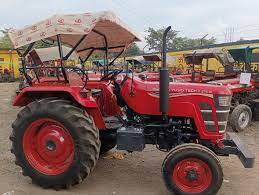

The First Thing You Notice About an Old Tractor
An old tractors has a presence. Anyone who has worked around one knows that feeling. The faded paint, the slightly loose steering wheel, the heavy metal hood that closes with a dull thud instead of a soft click. Nothing delicate about it.
I remember the first time I drove an old tractor that had probably been working fields longer than I had been alive. The engine didn’t start instantly. It coughed once, rattled a bit, then finally settled into a deep, steady rhythm. Not smooth like modern machines. But honest.
Old tractors feel mechanical in a way new equipment rarely does. You hear every gear. You feel the clutch engage. The machine talks back to you through vibration, sound, and weight.
That connection is part of why farmers still trust them.
Built Like Farming Tools, Not Electronic Gadgets
Look at the frame of an old tractor and one thing becomes obvious quickly — these machines were built to last, not to impress.
Thick steel. Heavy cast iron components. Simple engines that were designed for field repairs rather than dealership diagnostics. A wrench set and a bit of patience could fix most problems.
There’s a reason so many tractors from the 1970s, 80s, and even earlier are still running in villages and small farms today.
Modern tractors rely on sensors, electronic control units, and software. Old tractors rely on gears, fuel, air, and compression. That simplicity makes them dependable, especially in rural areas where service centers might be far away.
If something goes wrong, farmers often fix it themselves under a tree with a toolbox and some experience.
The Sound of an Old Diesel Engine
Old tractor engines don’t whisper. They announce themselves.
When a traditional diesel engine fires up, the sound travels across the field. It’s a steady, rhythmic knocking that becomes part of the farm’s daily background noise.
To someone unfamiliar with tractors, that noise might seem rough. To farmers, it sounds like work getting done.
I’ve heard farmers say they can recognize their tractor just by the engine sound from a distance. Each machine develops its own personality over time.
Some start quickly. Some take a little persuasion. But once they settle into their rhythm, they keep going for hours without complaint.
Why Farmers Still Prefer Old Tractors
You might assume farmers would always want the newest equipment. That’s not always the case.
Old tractors remain popular for several practical reasons.
First, cost. Buying a new tractor can be a massive investment. For many small farmers, a well-maintained older tractor offers plenty of power at a fraction of the price.
Second, reliability. A machine that has already worked for 20 or 30 years proves something important — it’s tough.
Third, ease of repair. Parts are widely available in local markets, and mechanics know these engines inside out.
When a farmer depends on a machine for daily work, simplicity often wins over technology.
Field Work Feels Different on an Old Machine
Operating an old tractor demands more involvement from the driver.
You pay attention to the engine note. You shift gears manually. The steering might feel heavy during tight turns, especially when pulling equipment through thick soil.
It’s physical work. But many farmers actually prefer that experience.
There’s a rhythm to it. Drive straight down the field, turn slowly at the edge, line up the next pass. Dust rises behind the tires. The engine hums steadily.
Hours pass like that. The machine and the driver working together.
New tractors automate many of these tasks, but old tractors keep the driver fully engaged in the job.
Maintenance Becomes Part of the Routine
Owning an old tractor means getting familiar with grease, oil, and tools.
Maintenance isn’t complicated, but it’s regular. Oil changes. Cleaning air filters. Tightening bolts that slowly loosen from vibration. Checking coolant before long working days.
Farmers often develop small habits with their tractors.
Some tap the fuel line before starting. Others listen carefully for any change in engine tone. Little routines passed down through experience.
These small checks keep the tractor running smoothly season after season.
Neglect an old tractor, and it will remind you quickly. Take care of it, and it may run for decades.
Old Tractors Carry Stories with Them
New machines arrive clean and identical. Old tractors carry history.
Sometimes a tractor has passed through several owners. One farmer used it for plowing wheat fields. Another used it to pull trailers full of harvested crops. A third might use it today for smaller tasks around the farm.
Each dent or scratch usually has a story.
A bent mudguard from hitting a hidden rock. A replaced headlight after a long night harvest. A seat cushion patched many times.
These details turn machines into companions rather than just equipment.
That emotional connection matters more than many people realize.
Spare Parts and Local Mechanics Keep Them Alive
Another reason old tractors remain common in rural areas is the strong ecosystem around them.
Local mechanics know these machines extremely well. Many have spent decades repairing the same models repeatedly.
Spare parts are also easy to find. In many agricultural towns, small shops stock piston rings, fuel pumps, clutch plates, and filters for popular tractor models.
Even used parts circulate through markets and repair shops.
Because of this network, an old tractor rarely stays broken for long. Repairs are quick, affordable, and familiar.
Fuel Efficiency Might Surprise You
People sometimes assume older machines burn excessive fuel. That’s not always true.
Many classic diesel tractors are surprisingly efficient when used for moderate workloads. Their engines are simple but tuned for steady power output rather than speed.
A farmer working at consistent engine RPM while plowing or hauling often finds fuel consumption manageable.
Of course, modern tractors have advanced fuel systems. But older engines hold their own when properly maintained.
Clean filters, good diesel, and regular servicing make a noticeable difference.
Old Tractors Are Perfect for Small Farms
Large commercial farms often rely on modern equipment because they need speed and automation.
Small farms operate differently.
Tasks vary throughout the day. One hour the tractor might pull a plow. Later it might haul fertilizer bags. In the evening it could transport harvested produce.
Old tractors handle this variety comfortably. They’re versatile and easy to attach with traditional implements.
For many farmers, an older tractor becomes the most reliable machine on the property.
It may not be fast. But it always shows up ready to work.
Restoring Old Tractors Has Become a Passion
Some people see an old tractor and think of worn-out machinery. Others see potential.
Tractor restoration has quietly become a hobby for many farmers and collectors. Bringing an old machine back to life can be deeply satisfying.
The process often starts with cleaning years of dirt and grease. Then comes engine inspection, replacing worn components, repainting the body, and restoring small details.
When the tractor finally starts again after months of work, the feeling is hard to describe.
The Quiet Legacy of Old Tractors
Farming has changed a lot over the decades. Technology keeps moving forward, and modern tractors are impressive machines.
Still, old tractors continue working in fields across the world.
They plow soil. They pull trailers. They carry seeds, harvest crops, and transport produce to markets.
Day after day. Season after season.
These machines were built for endurance, not fashion. Many of them will likely outlast the farms they first worked on.
And for the farmers who rely on them, that steady reliability is more valuable than any digital display or advanced feature.
Sometimes the oldest tools are the ones you trust the most.