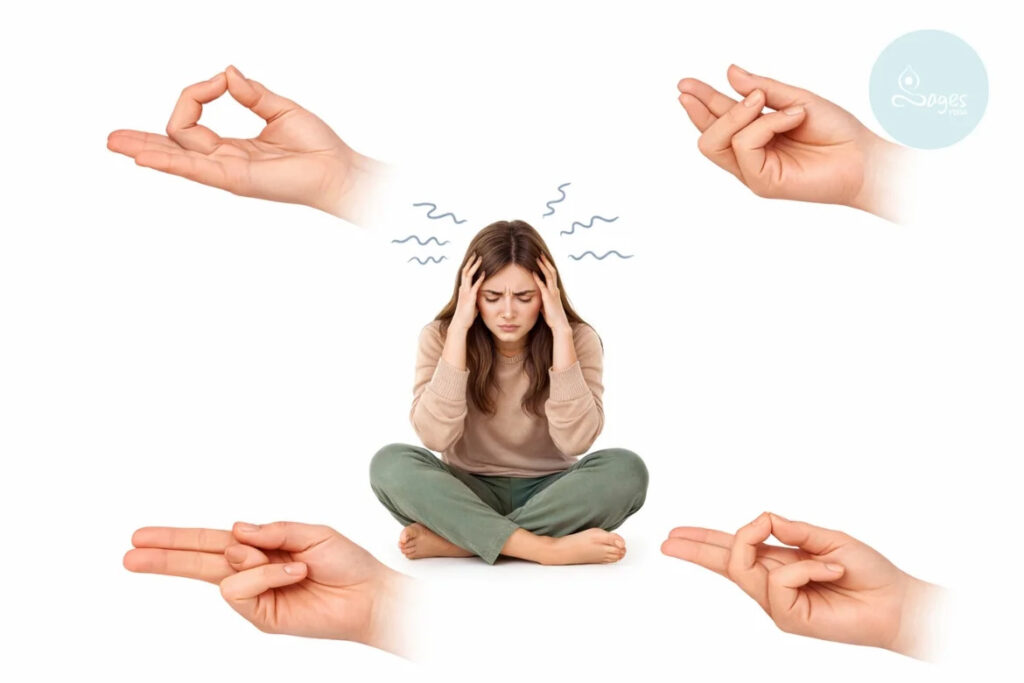

In today’s fast-paced world, many people struggle with stress, anxiety, and emotional imbalance. Yoga and meditation offer many techniques to restore inner calm, and one of the most effective yet simple practices is the use of mudras. Practicing mudras for peace can help balance the body’s energy, calm the mind, and promote a deeper sense of harmony.
Mudras are symbolic hand gestures used in yoga, meditation, and spiritual practices. These gestures influence the flow of energy in the body and help connect the physical body with the mind and spirit. By regularly practicing mudras for peace, individuals can experience relaxation, improved concentration, and emotional stability.
Understanding Mudras and Their Importance
The word “mudra” comes from the ancient Sanskrit language and means “gesture,” “seal,” or “symbol.” Mudras are commonly used in meditation, pranayama, and spiritual rituals to channel energy within the body. Each finger represents one of the five natural elements—fire, air, space, earth, and water—and when specific fingers are joined together, the energy of these elements becomes balanced.
Many classical yoga texts describe the importance of mudras in spiritual practices. They are often associated with traditional yoga teachings found in the Hatha Yoga Pradipika, which explains how mudras help regulate the body’s energy and support meditation.
Practicing mudras for peace regularly allows the mind to become calm and focused. These hand gestures are easy to perform and can be practiced anywhere, whether during meditation, yoga sessions, or quiet moments of relaxation.
How Mudras Help Create Inner Peace
Mudras influence the subtle energy channels in the body, often referred to as “nadis.” When energy flows smoothly through these channels, the body and mind experience balance and tranquility.
Regular practice of mudras for peace offers several benefits:
- Reduces stress and anxiety
- Improves focus and mental clarity
- Promotes emotional stability
- Enhances meditation practice
- Supports relaxation and mindfulness
Mudras work best when combined with slow breathing and meditation. Even a few minutes of daily practice can gradually create noticeable improvements in mental well-being.
Best Mudras for Peace and Calmness
Several mudras are especially known for their calming and balancing effects. These gestures help release tension and encourage a peaceful state of mind.
1. Gyan Mudra
One of the most well-known mudras for meditation is Gyan Mudra. In this gesture, the tip of the index finger gently touches the thumb while the other fingers remain extended.
This mudra symbolizes wisdom and knowledge. It is widely practiced during meditation to improve concentration and mental clarity.
Benefits of Gyan Mudra:
- Enhances focus and awareness
- Promotes inner peace
- Supports meditation practice
- Reduces mental stress
Practicing Gyan Mudra for 15–20 minutes daily can help calm the mind and improve overall emotional balance.
2. Chin Mudra
Another powerful gesture used for meditation is Chin Mudra. This mudra is similar to Gyan Mudra but is performed with the palms facing upward while resting on the knees.
Chin Mudra is believed to connect individual consciousness with universal consciousness, making it ideal for deep meditation and spiritual awareness.
Benefits of Chin Mudra:
- Encourages relaxation
- Enhances mindfulness
- Improves energy flow
- Promotes emotional stability
When practiced regularly, Chin Mudra helps create a peaceful and meditative state.
3. Prana Mudra
Prana Mudra is known as the “gesture of life force.” In this mudra, the tips of the thumb, ring finger, and little finger touch each other while the remaining fingers stay extended.
Prana Mudra helps activate the body’s natural energy and strengthens vitality.
Benefits of Prana Mudra:
- Boosts energy levels
- Reduces fatigue
- Improves emotional balance
- Supports overall well-being
Although it energizes the body, this mudra also promotes calmness and harmony, making it one of the useful mudras for peace.
4. Apana Vayu Mudra
Another beneficial gesture for relaxation and emotional balance is Apana Vayu Mudra. This mudra involves touching the tips of the thumb, middle finger, and ring finger together while the index finger bends toward the base of the thumb.
This mudra is often associated with calming the heart and balancing emotional energy.
Benefits of Apana Vayu Mudra:
- Reduces anxiety
- Supports heart health
- Promotes emotional stability
- Encourages relaxation
Practicing this mudra during meditation can help release tension and create a deeper sense of peace.
How to Practice Mudras for Peace
Practicing mudras for peace is simple and requires no special equipment. However, following a few guidelines can enhance the benefits of the practice.
Choose a Quiet Space
Find a calm and comfortable place where you can sit without distractions. This helps the mind relax and allows you to focus on the practice.
Sit in a Comfortable Meditation Posture
You may sit cross-legged on the floor or on a chair with your spine straight. Keeping the body relaxed allows energy to flow freely.
Combine Mudras with Deep Breathing
Slow, mindful breathing enhances the calming effects of mudras. Inhale deeply through the nose and exhale slowly to relax the nervous system.
Practice Regularly
Consistency is key to experiencing the benefits of mudras. Practicing for 15–30 minutes daily can gradually create noticeable improvements in mental peace and emotional stability.
Mudras and Meditation
Mudras are often practiced during meditation to deepen concentration and awareness. Many meditation traditions use hand gestures to guide energy flow and enhance spiritual experiences.
Practicing mudras for peace during meditation allows the mind to settle into a calm and focused state. Over time, this combination can strengthen mindfulness and create a deeper connection between body and mind.
Meditation practices described in ancient texts such as the Yoga Sutras of Patanjali emphasize the importance of mental stillness. Mudras support this process by stabilizing energy and encouraging inner harmony.
Scientific Perspective on Mudras
Modern wellness experts are increasingly exploring the potential benefits of mudras. While mudras originate from ancient yogic traditions, some researchers believe that hand gestures may influence the nervous system and stimulate certain pressure points connected to the brain.
Regular practice of mudras for peace may help activate relaxation responses in the body, similar to the effects of meditation and controlled breathing.
Although more research is needed, many practitioners report positive results such as improved focus, reduced anxiety, and better emotional balance.
Integrating Mudras into Daily Life
One of the greatest advantages of mudras is their simplicity. Unlike many other wellness practices, mudras can be performed almost anywhere.
You can practice mudras for peace:
- During meditation
- While sitting quietly at home
- During yoga practice
- While traveling or resting
Even a few minutes of mindful practice during a busy day can help restore calmness and clarity.
Conclusion
Practicing mudras for peace is a simple yet powerful way to cultivate inner calm, emotional balance, and mindfulness. These ancient hand gestures have been used for centuries in yoga and meditation to guide the flow of energy and promote harmony between the body and mind.
By incorporating mudras such as Gyan Mudra, Chin Mudra, Prana Mudra, and Apana Vayu Mudra into daily practice, individuals can gradually develop a deeper sense of relaxation and emotional stability.
With regular practice, patience, and mindful breathing, mudras can become a valuable tool for achieving lasting peace and well-being. In a world filled with constant distractions and pressures, these simple hand gestures offer a natural path toward calmness, clarity, and inner harmony