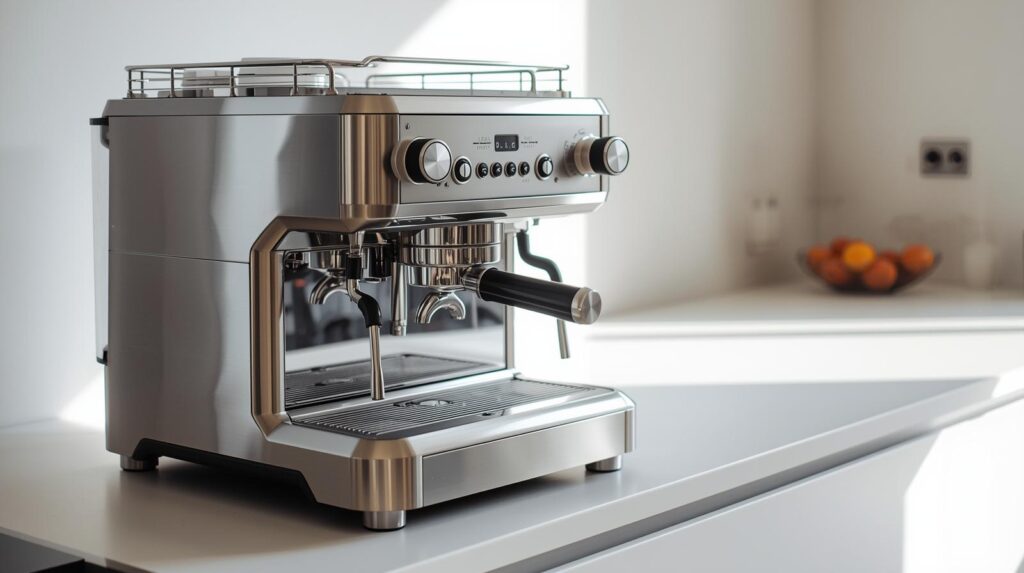

Coffee has become more than just a daily drink—it is part of a lifestyle for millions of people around the world. From small home kitchens to busy specialty cafés, the quality of coffee often depends on one essential piece of equipment: the espresso machine. This powerful device is responsible for producing the rich, concentrated coffee that forms the base of many popular beverages. Understanding how an espresso machine works and why it matters can help coffee lovers and café owners create better coffee every day.
What Is an Espresso Machine?
An espresso machine is a coffee brewing device that uses high pressure to push hot water through finely ground coffee beans. This process extracts the strong flavors, oils, and aromas from the coffee, resulting in a small but intense shot known as espresso. Unlike regular drip coffee makers, espresso machines produce a thicker and more concentrated coffee with a creamy layer on top called crema.
Espresso is the foundation for many well-known drinks such as cappuccino, latte, flat white, macchiato, and americano. Because of this, the espresso machine is often considered the heart of any coffee shop or specialty coffee setup.
How an Espresso Machine Works
The brewing process of an espresso machine is precise and designed to extract maximum flavor from coffee beans. First, freshly roasted coffee beans are ground into a fine consistency using a coffee grinder. The ground coffee is then placed into a portafilter, which is a handle with a metal filter basket.
Next, the coffee grounds are evenly pressed down using a tool called a tamper. This step is important because it ensures the water flows evenly through the coffee during extraction.
Once the portafilter is locked into the espresso machine, hot water—usually heated between 90°C and 96°C—is forced through the coffee grounds at around 9 bars of pressure. Within about 25 to 30 seconds, the machine extracts a rich espresso shot that has a deep flavor and a golden crema on top.
This combination of pressure, temperature, and timing is what makes espresso unique and flavorful.
Types of Espresso Machines
There are several types of espresso machines available, each designed for different users and environments.
Manual Espresso Machines require the user to control the entire brewing process. Baristas pull a lever to generate pressure, making this type popular among coffee professionals who want full control over the extraction.
Semi-Automatic Espresso Machines are widely used in cafés. These machines automate the water pressure but allow the barista to control grinding, tamping, and shot timing.
Automatic Espresso Machines manage the water flow and stop the shot automatically after a set amount of espresso is brewed. This ensures consistent results.
Super-Automatic Espresso Machines handle everything from grinding the beans to brewing the espresso and sometimes even frothing milk. These machines are ideal for offices or homes where convenience is important.
Benefits of Using an Espresso Machine
Using a high-quality espresso machine offers many benefits. First, it produces coffee with a richer flavor and stronger aroma compared to traditional brewing methods. The pressure extraction process captures more oils and flavors from the coffee beans.
Second, an espresso machine allows you to prepare a variety of coffee drinks. With a single espresso shot, you can create lattes, cappuccinos, americanos, and many other specialty beverages.
Another advantage is consistency. A well-calibrated espresso machine ensures each cup of coffee maintains the same quality and taste, which is especially important for coffee shops serving multiple customers daily.
Choosing the Right Espresso Machine
When selecting an espresso machine, it is important to consider how and where it will be used. For home users, a compact or automatic espresso machine may be the best option because it is easy to operate and maintain. For coffee shops or professional baristas, commercial espresso machines with multiple group heads and powerful boilers are more suitable.
Other factors to consider include durability, build quality, boiler type, and maintenance requirements. Investing in a reliable espresso machine ensures long-term performance and better coffee quality.
Conclusion
The espresso machine plays a crucial role in creating high-quality coffee. From extracting bold espresso shots to forming the base of many popular drinks, this machine is an essential tool for anyone serious about coffee. Whether used at home or in a professional café, the right espresso machine can transform ordinary coffee beans into an exceptional coffee experience.