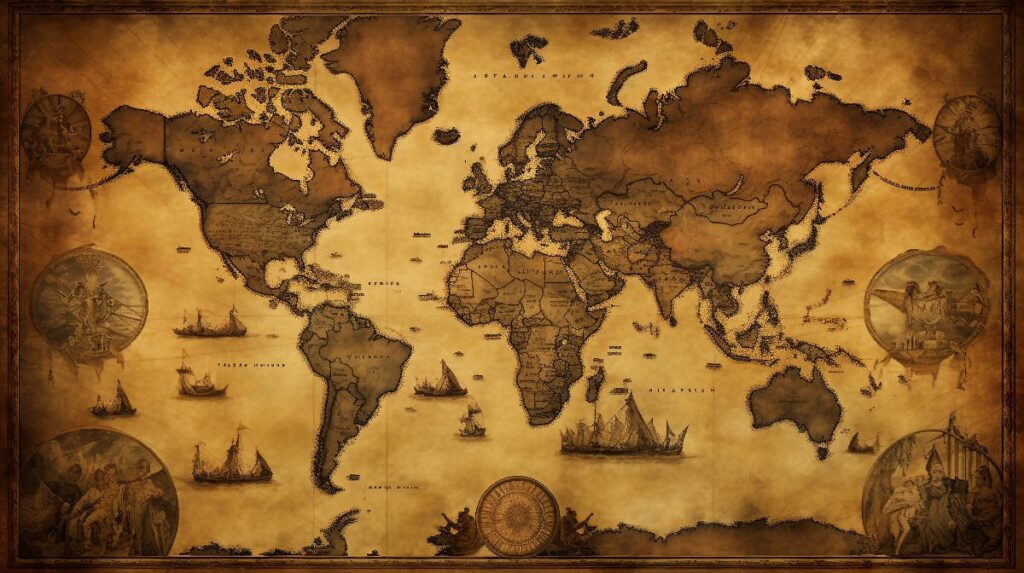

Maps have always held a unique fascination, combining utility with artistry, history, and storytelling. Vintage maps, in particular, offer a window into the past, allowing collectors, historians, and enthusiasts to explore how people once perceived the world. Over time, these maps have evolved from simple navigation tools into highly sought-after collectibles, valued for their historical significance, craftsmanship, and aesthetic appeal. For those interested in adding a piece of history to their collection, vintage maps for sale present both an investment opportunity and a way to own a tangible fragment of our shared past.
The Historical Significance of Vintage Maps
Vintage maps are more than just geographical representations. They are historical documents that capture the knowledge, politics, and culture of their era. Early cartographers often included not only physical features but also political boundaries, trade routes, and illustrations of important cities or regions. For instance, a 17th-century map of Europe may depict kingdoms and territories that no longer exist, reflecting the complex political landscape of the time. Similarly, maps of the New World from the Age of Exploration reveal how explorers perceived newly discovered lands and the interactions between indigenous populations and European settlers.
Collectors and historians value vintage maps for the insight they provide into historical events and societal changes. They serve as visual narratives that help us understand how our ancestors navigated, explored, and conceptualized the world. The more rare or unique the map, the greater its historical significance, making vintage maps not only fascinating artifacts but also important research tools.
Craftsmanship and Artistic Appeal
One of the reasons vintage maps continue to captivate collectors is their artistry. Unlike modern maps, which are primarily functional and digitally produced, many vintage maps were meticulously hand-drawn and colored. Cartographers often employed elaborate illustrations, decorative borders, and intricate lettering, turning maps into works of art. Sea monsters, compass roses, and ornate cartouches frequently adorned early maps, blending aesthetic beauty with practical information.
Collectors often seek maps that demonstrate exceptional craftsmanship, particularly those created by renowned cartographers such as Gerardus Mercator, Abraham Ortelius, or John Speed. The artistry of these maps can elevate them from simple navigation aids to centerpiece items in a collection. When considering vintage maps for sale, the quality of printing, coloring, and overall condition are crucial factors that influence value and appeal.
Types of Vintage Maps
Vintage maps come in a wide range of types, each with unique characteristics and collectible value. Some of the most popular categories include:
-
World Maps: These provide a global perspective and often reflect the cartographic knowledge and worldview of the time. World maps from the 16th and 17th centuries are especially prized for their historical and aesthetic significance.
-
Regional Maps: Focusing on specific countries, cities, or provinces, regional maps offer detailed depictions of local geography and settlement patterns. These maps are particularly appealing to collectors interested in a specific location or historical period.
-
Nautical Charts: Early maritime maps, or portolan charts, were essential for navigation. They feature coastlines, ports, and navigational markers, often adorned with compass roses and sea creatures, making them highly decorative as well as functional.
-
Topographic and Thematic Maps: Some vintage maps focus on physical geography, resources, or population distribution. These thematic maps are valuable for understanding historical environmental and economic conditions.
Each type has its own niche audience and can command varying prices depending on rarity, age, and condition. Enthusiasts may specialize in a particular type of map, while general collectors may seek a diverse assortment that showcases the evolution of cartography.
Factors to Consider When Buying Vintage Maps
Purchasing vintage maps requires careful consideration to ensure authenticity and value. Several factors should guide buyers when exploring maps for sale. First, the age of the map plays a critical role. Older maps, especially those from the 16th to 18th centuries, are generally more valuable due to their rarity and historical significance. Second, the condition of the map is paramount. Well-preserved maps with minimal tears, stains, or fading retain higher value. However, minor imperfections may be acceptable if the map is exceptionally rare or historically important.
Provenance is another key factor. Maps with documented ownership histories or ties to significant historical events can command premium prices. Authenticity is critical; collectors should verify that the map is not a reproduction or facsimile. Consulting reputable dealers or auction houses specializing in antique maps can provide assurance and valuable insights.
Finally, buyers should consider the aesthetic and personal appeal of a map. Collecting vintage maps is often about more than investment; it is also about appreciation of beauty, history, and storytelling. Selecting maps that resonate with the collector’s interests ensures a satisfying and meaningful acquisition.
Where to Find Vintage Maps for Sale
Today, vintage maps can be found through a variety of channels, ranging from specialized dealers to online marketplaces. Antique shops and galleries often carry curated selections, providing an opportunity to view maps in person and assess their condition. Auction houses, both local and international, are excellent venues for acquiring rare or high-value pieces, sometimes at competitive prices due to bidding dynamics.
Online platforms have also made it easier than ever to explore vintage maps for sale. Reputable websites and marketplaces allow collectors to browse diverse selections from around the world. Many online sellers provide detailed descriptions, historical context, and high-resolution images, enabling buyers to make informed decisions without leaving home. Additionally, some sites offer certification or authentication services, further ensuring the legitimacy of purchases.
Collectors may also discover unique finds through estate sales, historical societies, or private collections. Networking with other enthusiasts and joining collector organizations can provide insider access to rare maps that might not appear on the open market.
Investing in Vintage Maps
While collecting vintage maps is often motivated by personal interest, it can also be a sound investment. Historically, rare maps have appreciated in value over time, especially those with limited production or unique features. Factors that influence investment potential include the map’s age, rarity, condition, historical importance, and the reputation of the cartographer. Maps associated with notable explorations or events may command particularly high prices.
Investors should approach vintage maps strategically, considering both the market and the long-term preservation of the maps. Proper storage and framing, as well as protection from light, moisture, and physical damage, are essential to maintain value. Collaborating with knowledgeable dealers or consulting price guides can help collectors understand trends and make informed acquisitions.
Preserving and Displaying Vintage Maps
Once a vintage map is acquired, proper care is essential to preserve its condition and value. Maps should be stored in acid-free sleeves or archival-quality materials, away from direct sunlight, humidity, and temperature fluctuations. Framing under UV-protective glass can allow collectors to enjoy their maps as decorative art while ensuring longevity.
Displaying maps can transform a space, creating a focal point that sparks conversation and admiration. Whether mounted in an office, library, or living room, vintage maps convey sophistication, curiosity, and a deep appreciation for history. Some collectors even create curated walls or rooms dedicated to maps, showcasing the evolution of geography and cartography through centuries.
The Joy of Collecting Vintage Maps
Beyond investment and decoration, collecting vintage maps is a deeply rewarding hobby that connects enthusiasts to history, art, and exploration. Each map tells a story, from the hand-drawn lines and inked illustrations to the cultural context of its creation. Collectors can explore the changing boundaries of nations, the development of cities, and the ambitions of explorers who charted unknown territories.
Engaging with other collectors, attending exhibitions, and researching historical contexts enriches the experience. Vintage maps offer endless opportunities for discovery, learning, and personal connection to the past. They allow us to see the world through the eyes of our ancestors and appreciate the evolution of knowledge and design over time.
Conclusion
Vintage maps for sale represent more than mere navigational tools; they are tangible links to history, artistry, and human curiosity. Whether purchased for investment, display, or personal fascination, these maps provide an enduring connection to the past. The beauty, rarity, and historical significance of vintage maps make them timeless treasures, capable of captivating both seasoned collectors and newcomers alike. As interest in historical artifacts and cartography continues to grow, vintage maps will remain cherished pieces, offering a glimpse into the world as it once was and inviting collectors to become stewards of history.