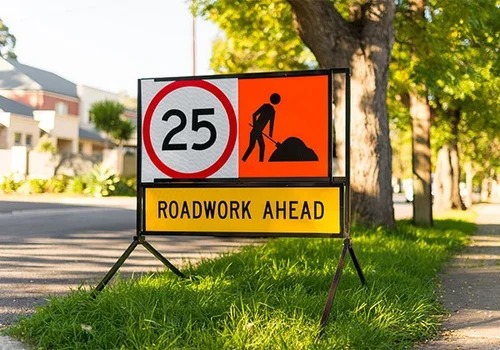

Managing traffic safely and efficiently is critical on construction sites, roadworks, events, and any situation where normal traffic flow is disrupted. A well-designed Traffic Management Plan (TMP) helps protect workers, road users, and pedestrians while ensuring compliance with Australian standards.
In this guide, we’ll walk through how to create effective traffic management plans that are practical, compliant, and easy to implement.
What Is a Traffic Management Plan?
A Traffic Management Plan is a detailed document that outlines how traffic will be controlled and directed around a worksite or event. It identifies potential risks, specifies control measures, and provides clear instructions for managing vehicles and pedestrians safely.
An effective TMP doesn’t just tick a compliance box — it actively reduces accidents, delays, and confusion.
Why Effective Traffic Management Matters
Poor traffic control can lead to serious safety incidents, project delays, and legal consequences. An effective traffic management plan:
- Improves safety for workers and the public
- Reduces congestion and driver frustration
- Ensures compliance with Australian Standards and local council requirements
- Minimises project downtime and disruptions
Whether it’s a small roadside repair or a large infrastructure project, traffic planning plays a major role in overall success.
Step 1: Understand the Site and Surroundings
The first step in creating an effective plan is conducting a thorough site assessment.
Key Factors to Consider:
- Road type (local road, arterial road, highway)
- Speed limits and traffic volume
- Nearby schools, hospitals, or public transport routes
- Pedestrian and cyclist activity
- Site access points and work zones
Understanding these elements allows you to identify risks and tailor the plan to real-world conditions rather than relying on generic layouts.
Step 2: Identify Risks and Hazards
Once the site is assessed, identify potential hazards that could impact traffic flow and safety.
Common hazards include:
- Reduced visibility
- Narrow lanes
- Heavy vehicle movements
- Pedestrian crossings near work zones
- Night or low-light conditions
Each risk should be documented along with control measures to minimise or eliminate the hazard.
Step 3: Choose Appropriate Traffic Control Measures
Selecting the right traffic control devices is essential for clarity and safety.
Typical Traffic Control Measures Include:
- Warning signs and regulatory signage
- Cones, bollards, and barriers
- Temporary speed reductions
- Lane closures or detours
- Traffic controllers (stop/slow personnel)
All signage and devices should comply with Australian Standards and be placed at correct distances to give road users adequate warning and reaction time.
For complex urban environments, professionally designed Traffic Management Plans Melbourne help ensure compliance with council regulations while maintaining smooth traffic flow.
Step 4: Create Clear and Accurate Diagrams
Visual clarity is a cornerstone of any effective traffic management plan. Diagrams should clearly illustrate:
- Traffic flow directions
- Signage placement
- Lane closures and diversions
- Pedestrian pathways
- Work zones and exclusion areas
Well-designed diagrams reduce confusion and help workers and traffic controllers understand the setup quickly, especially during site changes.
Step 5: Ensure Compliance With Regulations
Traffic management plans must align with relevant legislation and guidelines, including:
- AS 1742.3 – Manual of Uniform Traffic Control Devices
- State and local road authority requirements
- Council permit conditions
- Workplace Health and Safety obligations
Failure to meet compliance standards can result in fines, site shutdowns, or rejected permits, so this step should never be overlooked.
Step 6: Communicate and Implement the Plan
Even the best traffic management plan won’t work if it’s not communicated effectively.
Before implementation:
- Brief all workers and traffic controllers
- Ensure everyone understands their responsibilities
- Confirm signage and equipment availability
- Schedule regular inspections
Clear communication ensures the plan is followed consistently and adjusted quickly if conditions change.
Step 7: Monitor, Review, and Update
Traffic conditions can change daily due to weather, project stages, or unexpected issues. Regular monitoring helps identify when updates are required.
A good TMP is a living document, it should be reviewed whenever:
- Work stages change
- Traffic volumes increase
- New hazards emerge
- Incidents or near misses occur
Ongoing reviews help maintain safety and efficiency throughout the project lifecycle.
Final Thoughts
Creating effective traffic management plans requires careful planning, site knowledge, and a strong focus on safety and compliance. By assessing risks, using clear signage, following regulations, and maintaining ongoing reviews, you can significantly reduce hazards and disruptions.
For projects requiring professional expertise and council-ready documentation, working with specialists like OnPoint TGS Plans ensures traffic management solutions are practical, compliant, and tailored to real-world conditions.