
Sleep quality shapes focus, recovery, and emotional balance. Yet bedding often receives less attention than mattresses or pillows. Heavy comforters trap heat, synthetic fills compress unevenly, and thick layers overwhelm small rooms. You may notice discomfort without identifying the cause. Subtle design differences in bedding influence how the body relaxes and how the mind settles at night.
A traditional Japanese futon system emphasizes simplicity, breathability, and balanced insulation. Within this setup, the kakebuton blanket plays a central role in maintaining thermal comfort without excessive weight. When structure, airflow, and softness align, sleep feels lighter and more restorative. Understanding how these blankets refine rest requires examining material composition, airflow, and spatial harmony.
The Structure of a Kakebuton and Its Purpose
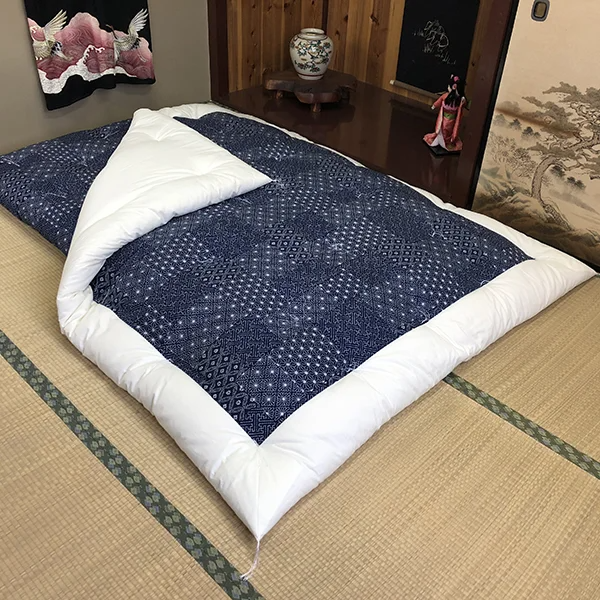
A kakebuton functions as a lightweight top layer designed for thermal regulation rather than compression. Unlike thick duvets, it distributes filling evenly across stitched compartments. This prevents cold pockets and avoids concentrated pressure on the torso.
The design supports stable body temperature through balanced insulation. When weight remains moderate, your muscles stay relaxed. The blanket rests gently over the body without restricting natural movement. This structural simplicity improves nighttime comfort without overwhelming the sleep surface.
Breathability and Temperature Regulation
Overheating disrupts sleep cycles and increases nighttime restlessness. Excess heat causes perspiration, leading to discomfort and frequent repositioning. Poor airflow within bedding materials often contributes to these disturbances.
Kakebuton blankets typically rely on natural fibers that allow air circulation. This breathability stabilizes temperature across changing seasons. While browsing Japanese Futons For Sale, attention often centers on mattress thickness, yet the upper layer influences airflow just as much. Balanced insulation prevents overheating while preserving warmth during cooler hours.
Lightweight Design and Muscle Relaxation
Heavy blankets apply downward pressure on the chest and shoulders. This compression may subtly alter breathing rhythm and muscle tension. Over time, such pressure contributes to stiffness or shallow sleep.
A refined sleep experience depends on minimal resistance. Lightweight coverage allows the body to shift naturally during REM cycles. When the blanket follows movement instead of restricting it, muscular tension reduces. The body remains supported without feeling confined.
Spatial Harmony in Minimalist Bedrooms
Bedroom aesthetics influence psychological comfort. Bulky bedding piles create visual clutter and shrink perceived space. When layers accumulate, the room may appear compressed and heavy.
A traditional Japanese futon setup integrates the kakebuton as a streamlined layer. Its low-profile form maintains visual balance. The clean lines and reduced bulk create an open, calming environment. Spatial harmony supports mental relaxation, which enhances overall sleep depth.
Seasonal Adaptability and Layering
Sleep environments change across seasons. Thick winter bedding often becomes excessive during transitional weather. Constant adjustments may disrupt consistency in comfort.
Kakebuton blankets adapt through layering. You can combine or separate components depending on temperature shifts. This modular approach supports year-round usability. Instead of replacing heavy bedding entirely, you refine warmth gradually, maintaining stable sleep conditions.
Balanced Weight Distribution for Deeper Sleep Cycles
Sleep architecture includes light sleep, deep sleep, and REM phases. Disruptions often occur when external pressure or uneven warmth forces micro-adjustments. Heavy bedding may create localized compression across the hips or shoulders, interrupting stable positioning.
A well-constructed kakebuton distributes fill evenly across its surface. This balance prevents concentrated weight zones and supports uninterrupted rest. When the body does not need to compensate for pressure shifts, deep sleep cycles extend naturally. Over time, consistent weight distribution contributes to more restorative and structured nightly recovery.
Sensory Calm and Tactile Comfort
Texture influences how quickly the nervous system transitions into rest mode. Rough synthetic fabrics may increase skin sensitivity and cause subtle irritation. Even minor discomfort can delay sleep onset.
Soft, breathable outer layers encourage sensory calm. Gentle contact with the skin reduces overstimulation and promotes relaxation. When tactile comfort aligns with stable temperature and balanced weight, the body unwinds efficiently. This sensory refinement supports a composed sleep environment that feels both light and controlled.
Long-Term Comfort and Durability
Refined sleep depends on durability as much as softness. Bedding that compresses quickly loses loft and insulation balance. Uneven distribution affects warmth and surface feel.
Quality construction preserves shape through repeated use. When stitching compartments secure filling properly, the blanket maintains structural integrity. Consistent loft ensures ongoing comfort. Over time, stable materials sustain the refined feel associated with intentional sleep design.
Conclusion
Refined sleep emerges from balance rather than excess. Heavy, overstuffed comforters may overwhelm the body and the room. Lightweight structure, breathable materials, and visual simplicity create a calmer sleep environment.
A traditional Japanese futon system integrates the kakebuton to support airflow, gentle insulation, and spatial clarity. When bedding complements the mattress instead of overpowering it, rest becomes smoother and more restorative. Choosing a traditional Japanese futon approach may redefine how comfort feels each night.