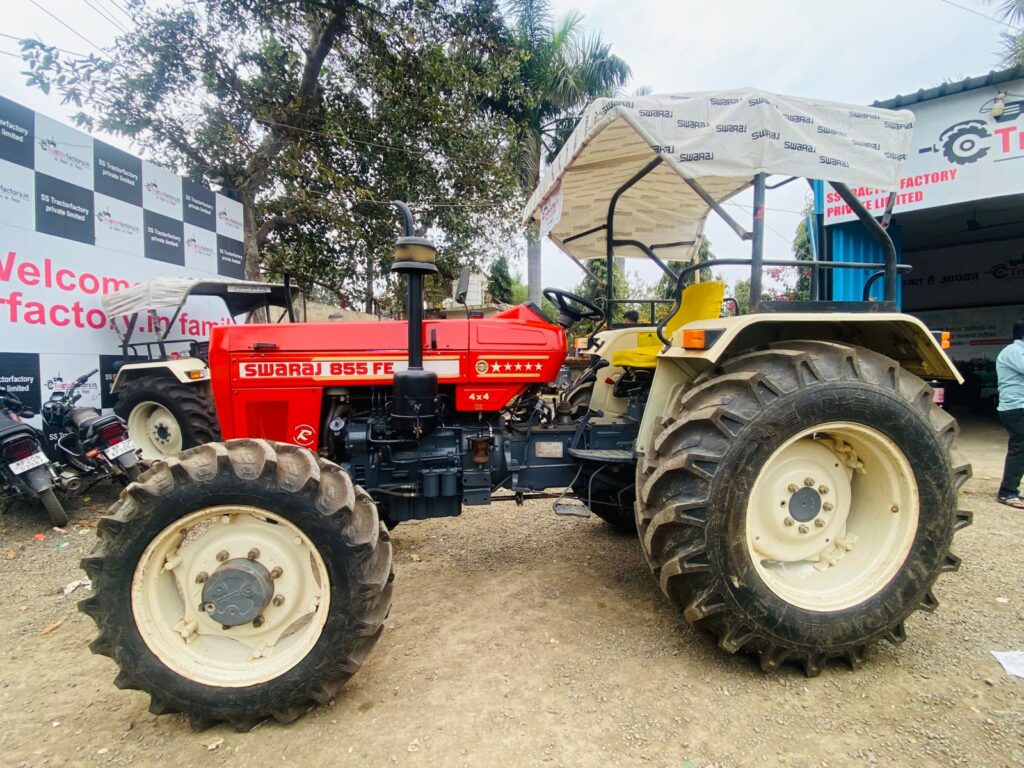

An old tractor doesn’t ask for attention. It just starts, pulls, lifts, and gets the job done. Paint faded. Seat cracked. Engine sound a little rough around the edges. But there’s a quiet honesty in that machine. Anyone who has actually worked on a farm knows this feeling. New tractors look impressive, sure. Old tractors feel reliable. They’ve earned their place.
Why Old Tractors Refuse to Disappear from Farms
Walk into a village yard early in the morning. You’ll see it parked near the shed. An old tractor, maybe 15 or 20 years old, still trusted with daily work. There’s a reason farmers hold on to them.
Old tractors are predictable. You know how they behave. You know the sound they make when something isn’t right. There’s no screen flashing warnings you don’t understand. Just metal, oil, diesel, and common sense.
For small and medium farmers, predictability matters more than features. When the season is tight, you don’t want surprises. Old tractors rarely surprise you.
Built Strong Before Cost-Cutting Became Normal
Older tractors were built in a different mindset. Less plastic. Thicker metal. Fewer electronic parts. Engineers focused on durability, not showroom appeal.
You feel it when you drive one. The steering is heavy. The clutch needs real pressure. But the body doesn’t flex. The engine doesn’t complain under load. These machines were designed to work long hours, not impress in brochures.
That solid build is why many old tractors are still running while newer ones already need major repairs.
The Real Cost Advantage No One Talks About
Buying an old tractor isn’t just about the lower price. It’s about total ownership cost over years.
Spare parts are easily available. Mechanics understand them. Repairs don’t require laptops or authorized service centers. A local mechanic with experience can fix most issues with basic tools.
Fuel efficiency often surprises people too. Many older engines run steady and balanced. They may not be “optimized,” but they are consistent. No sudden drops. No strange behavior.
Insurance, registration, maintenance. Everything costs less. That difference matters when margins are thin.
Old Tractors and Emotional Trust
Farmers don’t trust easily. Especially with machines that affect their livelihood. An old tractor earns trust slowly, then keeps it.
Maybe it pulled through a heavy harvest season. Maybe it worked nonstop during unexpected rains. Maybe it started every cold morning when others failed. These moments stay with you.
Once a tractor proves itself like that, replacing it feels risky. That emotional connection is real, even if people don’t talk about it much.
What to Check Before Buying an Old Tractor
An old tractor can be a blessing or a burden. The difference lies in inspection.
Look at the engine first. Cold start matters. If it starts easily without excessive smoke, that’s a good sign. Listen carefully. Uneven knocking is a red flag.
Check the gearbox. Shifts should feel firm, not loose. No grinding sounds. PTO engagement should be smooth.
Hydraulics matter more than people think. Lift capacity, response time, leakages. Test it under load if possible.
Don’t ignore the chassis. Cracks, welding marks, or uneven wear can indicate hard usage.
Old doesn’t mean abused. A well-maintained old tractor is far better than a neglected newer one.
Maintenance Habits That Keep Old Tractors Alive
Old tractors survive because of simple routines.
Regular oil changes. Clean air filters. Proper greasing. These aren’t optional. They are survival rules.
Most problems start small. A loose bolt. A leaking hose. Ignoring them turns minor fixes into expensive repairs. Farmers who keep old tractors running know this well.
Power That Still Matches Today’s Needs
Many people assume old tractors lack power. That’s not always true.
For ploughing, hauling, leveling, rotavator work, and basic farming operations, older tractors still deliver more than enough strength. They don’t pretend to be multi-tasking machines. They focus on core work.
Torque delivery in older engines feels steady. No sudden spikes. No delays. Just raw pulling power when needed.
For daily farm tasks, that consistency often matters more than peak horsepower numbers.
Simplicity Is an Advantage, Not a Weakness
Modern tractors come with features many farmers never asked for. Screens, sensors, electronic controls. Useful for some. Confusing for others.
Old tractors keep things simple. If something stops working, you can usually see it. Touch it. Fix it.
There’s confidence in that simplicity. It gives control back to the owner instead of locking everything behind software and service codes.
For rural areas with limited service access, this simplicity becomes a serious advantage.
Resale Value Stays Surprisingly Strong
Old tractors don’t depreciate like new ones. Once they reach a certain price range, they stabilize.
If you buy wisely and maintain properly, resale value stays strong. Sometimes it even increases due to demand in rural markets.
Many farmers upgrade temporarily, then return to older models because they suit their needs better. That constant demand keeps prices steady.
It’s not uncommon to see old tractors sold within days if priced right.
Ideal Use Cases Where Old Tractors Shine
Old tractors are perfect for certain jobs.
Small farms where work is regular but not extreme. Transport tasks like trolley hauling. Orchard work where compact size helps. Backup tractors for busy seasons.
They also work well for rental purposes in villages. Lower investment. Faster returns. Easier repairs.
In these roles, old tractors often outperform expectations.
Common Myths That Don’t Hold Up
People say old tractors break down often. Not true if maintained.
They say parts are hard to find. Usually false. Many parts are widely available and affordable.
They say fuel consumption is high. Depends on condition, not age.
Most myths come from poorly maintained machines, not from old tractors themselves.
When an Old Tractor Is Not the Right Choice
Honesty matters.
If you need precision farming, advanced implements, or heavy commercial operations, an old tractor may struggle. Emission norms, comfort requirements, and high-speed transport may demand newer models.
Old tractors don’t pretend to be everything. They excel in core farming, not luxury or technology-heavy tasks.
Experience Teaches Respect for Old Machines
Anyone who has worked long hours in the field knows this truth. A tractor doesn’t need to look new to work well. It needs care, understanding, and respect.
Old tractors respond to that respect. They reward patience. They forgive mistakes more than newer machines do. There’s a rhythm to working with them. Once you understand it, the bond feels natural.
Final Thoughts from the Field
Old tractors aren’t outdated. They are proven.
They carry stories in their dents and scratches. Stories of hard seasons, long days, and dependable work. For many farmers, that history matters more than modern features.
If you choose carefully, maintain honestly, and use wisely, an old tractor can serve you faithfully for years. Maybe decades.
https://www.postscontent.com/old-tractor-stories-from-real-fields-strength-that-refuses-to-retire/