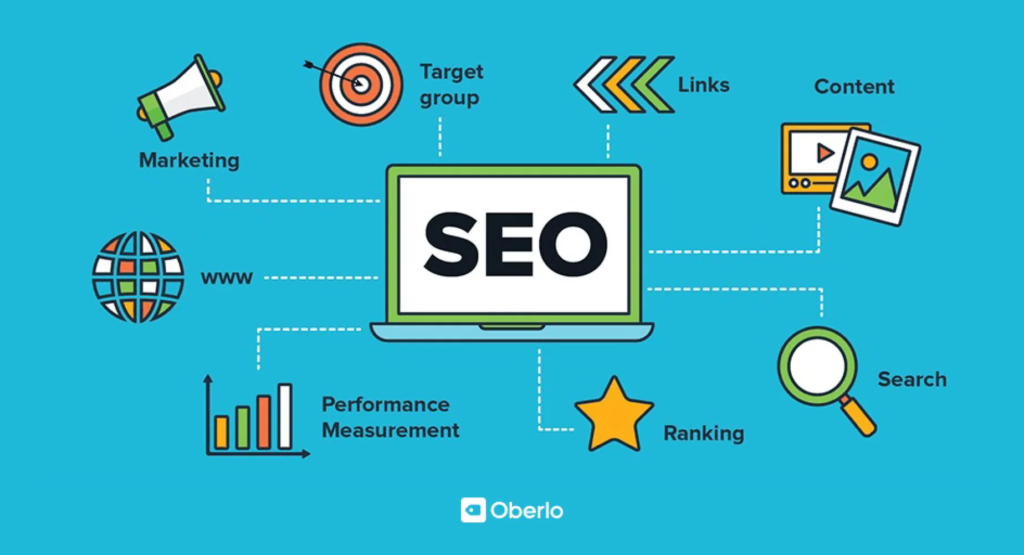

In today’s digital landscape, businesses often treat Search Engine Optimization as a short-term tactic—chasing keywords, publishing content rapidly, and scrambling to recover after algorithm updates. While these methods can provide temporary boosts, they rarely create lasting results.
True success comes from sustainable SEO—an approach designed to deliver long-term visibility, authority, and traffic. Sustainable SEO transforms your website from a fragile system that reacts to changes into a durable digital asset that continuously drives growth, no matter how search engines evolve.
Why Sustainable SEO is Critical
Search engines like Google prioritize quality, authority, and relevance. Sites that focus on short-term tactics often see fluctuating rankings, wasted effort, and missed opportunities.
Sustainable SEO is not about quick wins. It is about:
-
Building a strong, technically sound foundation
-
Creating content that remains valuable over time
-
Establishing authority and trust
-
Continuously refining strategies for consistent growth
This approach ensures your website thrives even in a volatile search environment.
Step 1: Create a Solid Technical Backbone
The first step toward long-term SEO dominance is a website that functions flawlessly. Technical health underpins all sustainable SEO efforts:
-
Fast Page Speed: Users stay longer on sites that load quickly, reducing bounce rates.
-
Mobile Optimization: With mobile-first indexing, responsive design is crucial.
-
HTTPS Security: Protects users and signals trust to search engines.
-
Clean Architecture: Logical URLs, internal linking, and structured navigation make crawling easier.
-
Structured Data: Enhances content visibility through rich snippets and improves semantic understanding.
Regular audits ensure technical issues don’t erode hard-earned rankings.
Step 2: Develop Evergreen, High-Value Content
Content is the engine of sustainable SEO. Instead of producing fleeting, trend-based articles, focus on evergreen resources:
-
Comprehensive Guides: Address core topics thoroughly.
-
Topic Clusters: Interconnected pages establish authority within a niche.
-
Intent-Driven Content: Align with informational, commercial, and transactional searches.
-
Content Refreshes: Update statistics, examples, and references to maintain relevance.
Evergreen content attracts continuous traffic, earns backlinks naturally, and positions your brand as a trusted resource for years.
Step 3: Build Authority Strategically
Authority protects your site against ranking volatility. Sustainable SEO emphasizes ethical, high-quality authority building:
-
Earn backlinks from reputable sources
-
Publish research-driven or data-backed content
-
Collaborate with industry influencers
-
Leverage PR and content marketing for natural mentions
Slow, consistent authority growth is far more durable than aggressive link schemes, creating a solid shield against algorithm fluctuations.
Step 4: Optimize for User Engagement
Search engines increasingly reward sites that satisfy visitors. Sustainable SEO focuses on providing an exceptional user experience:
-
Clear navigation and logical site structure
-
Readable, scannable content
-
Interactive elements and visuals
-
Strong calls-to-action without intrusive pop-ups
Engaged users spend more time on your site, explore multiple pages, and return frequently—signals that reinforce long-term rankings.
Step 5: Implement Repeatable SEO Systems
Sustainable SEO isn’t a project—it’s a system. By creating repeatable processes, you ensure consistency and scalability:
-
Workflow for content research and planning
-
On-page optimization checklists
-
Quarterly technical audits
-
Internal linking strategies
-
Link-building and PR outreach processes
Systems allow your SEO strategy to evolve without disruption, creating durable growth that compounds over time.
Step 6: Monitor, Adapt, and Evolve
Sustainable SEO requires ongoing attention, but not reactive panic. Track performance metrics, analyze trends, and refine your approach:
-
Identify technical issues early
-
Optimize weak-performing content
-
Expand high-performing pages
-
Adapt to changing search trends while maintaining core strategy
Measured adaptation ensures long-term stability, even as algorithms and competition evolve.
Step 7: Leverage Compounding Growth
The true power of sustainable SEO is compounding results. Over time:
-
Evergreen content continues attracting traffic
-
Authority strengthens through backlinks and citations
-
Engagement and conversions increase
-
Brand recognition grows naturally
These cumulative benefits create a self-reinforcing SEO ecosystem, reducing dependency on paid campaigns and reactive strategies.
Benefits of Sustainable SEO
By focusing on long-term success, sustainable SEO delivers:
-
Stable and consistent organic traffic
-
Improved brand credibility and trust
-
Reduced reliance on short-term tactics
-
Predictable, compounding ROI
-
Competitive advantage in any market
Rather than chasing fleeting wins, your website becomes a durable asset that continuously drives growth.
Final Thoughts
Sustainable search success is not about chasing the latest algorithm change. It is about engineering an SEO system that withstands updates, serves users, and builds authority over time.
By combining technical excellence, evergreen content, ethical authority building, user-focused design, and repeatable processes, your SEO strategy can achieve long-term dominance.
In a constantly evolving search landscape, the brands that thrive are those that plan for the future, build for longevity, and create systems that keep delivering results, year after year.
Your SEO isn’t just about traffic—it’s about creating a lasting competitive advantage that stands the test of time.
Read More Read More Read More Read More Read More Read More
Read More Read More Read More Read More Read More Read More
Read More Read More Read More Read More Read More Read More
Read More Read More Read More Read More Read More Read More
Read More Read More Read More Read More Read More Read More
Read More Read More Read More Read More Read More Read More
Read More Read More Read More Read More Read More Read More
Read More Read More Read More Read More Read More Read More
Read More Read More Read More Read More Read More Read More
Read More Read More Read More Read More Read More Read More