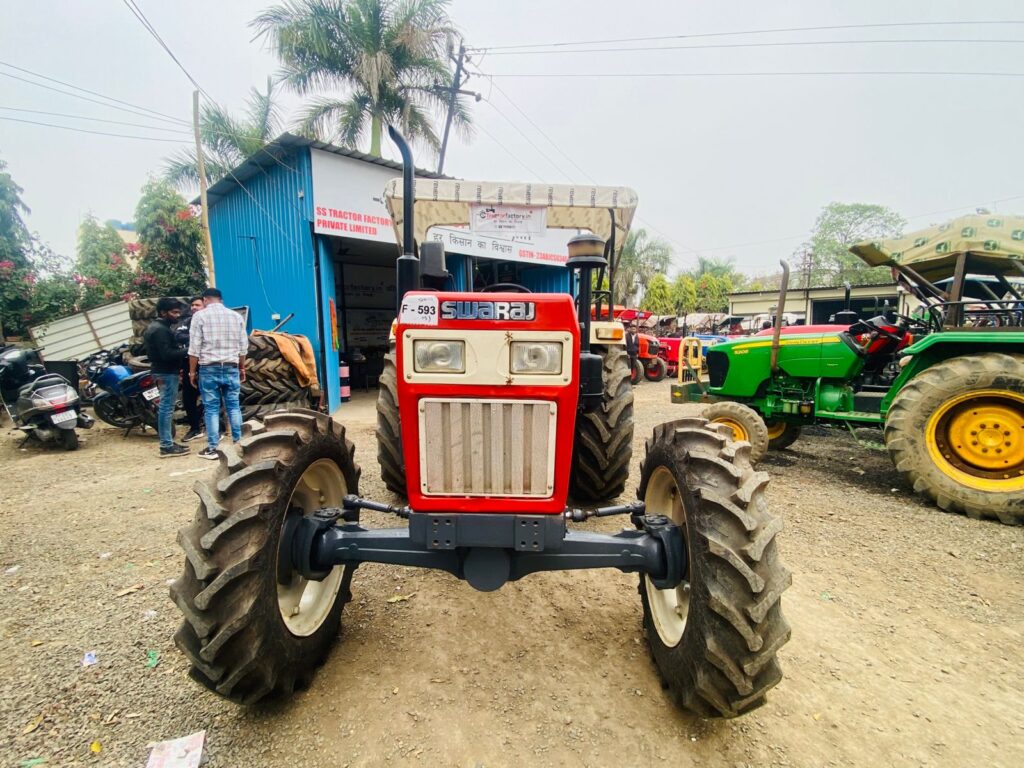

Why a Used Tractor Often Makes More Sense Than a New One
A brand-new tractor looks great in the showroom. Shiny paint. Zero hours. But once you step outside and do the math, reality kicks in. Most farmers I’ve met don’t need “new.” They need reliable. A second hand tractor, when chosen carefully, does the same work at half the cost. Sometimes less.
I’ve worked fields with tractors older than some of the operators driving them. They didn’t complain. They started every morning, pulled through wet soil, and handled long days without drama. That’s the real value. Not the invoice date, but how it performs when the season is tight and time is short.
What People Get Wrong About Buying Second Hand Tractors
The biggest mistake? Assuming “used” automatically means “risky.” It doesn’t. What’s risky is buying blind. I’ve seen people reject solid machines just because the paint was faded. And I’ve seen freshly painted tractors break down within a week.
A second hand tractor tells its story through sound, vibration, and behavior. You don’t read it by looking. You read it by listening, driving, and paying attention to small details most people rush past.
Engine Hours Matter, But Not the Way Sellers Claim
Everyone talks about engine hours. And yes, they matter. But they’re not the whole truth. A tractor with 6,000 honest hours and regular maintenance can outlast a neglected one showing 2,000 on the meter.
I always check how the engine sounds when cold. That first start tells you more than any number. Uneven firing, knocking, or hesitation? Walk away. A healthy used tractor should settle into its rhythm quickly, no drama, no excuses.
Gearbox Feel Tells You Everything
You can hide engine issues with oil additives and fresh filters. You can’t hide a tired gearbox. Shift through every gear. Slowly. Then under load, if possible. Grinding sounds, stiff engagement, or gears slipping out are warning signs you should never ignore.
A smooth gearbox on a second hand tractor is gold. Repairs here aren’t small, and they’re never cheap. If the gears feel right, that tractor has likely lived a decent life.
Hydraulics Separate Workhorses from Headaches
Hydraulics don’t get enough attention, and that’s a mistake. Lift arms should rise smoothly and stay up without dropping. Jerky movement or slow response usually means internal wear.
I once tested a tractor that looked perfect but couldn’t hold a loaded implement for more than a minute. Seller said it was “normal.” It wasn’t. Hydraulics are the muscles of a tractor. Weak muscles slow everything down.
Tyres Tell You How the Tractor Was Treated
Worn tyres aren’t always bad. Uneven wear is. Front tyres bald on one side? Alignment issues. Rear tyres cracked deeply? Long periods of standing unused, which often means internal seals have dried out too.
Replacing tyres is expensive, yes. But more importantly, tyre condition reflects the owner’s habits. Farmers who rotate, inflate properly, and replace when needed usually maintain everything else properly too.
Electricals Reveal Care or Carelessness
Check lights. Indicators. Starter response. Wiring condition. Messy electrical tape repairs and hanging wires tell a clear story. Someone fixed problems only when absolutely forced to.
Good electrical condition on a second hand tractor is a sign of patience and pride. And patience usually means regular servicing, not emergency repairs.
Why Older Tractor Models Still Dominate Fields
There’s a reason certain older tractor models refuse to disappear. Simpler engines. Mechanical systems. Fewer sensors to fail. These machines were built to be repaired, not replaced.
I’ve seen farmers choose a 15-year-old tractor over a newer model simply because they could fix it themselves. No laptop. No software updates. Just spanners, experience, and confidence.
Dealer vs Individual Seller: The Real Difference
Buying from a dealer gives some peace of mind. Basic inspection, paperwork help, sometimes a short warranty. Buying from an individual often gives better pricing and honest background stories.
Neither option is perfect. I focus less on who’s selling and more on how they answer questions. A seller who explains issues openly is more trustworthy than one promising perfection.
Paperwork Is Boring Until It Isn’t
Registration details. Engine number. Chassis number. Loan clearance. These things don’t feel important until they stop you from transferring ownership.
I always say this: mechanical problems can be fixed. Legal problems follow you forever. Never skip verification, no matter how good the deal sounds.
Matching the Tractor to Your Actual Work
Too many buyers chase horsepower numbers they don’t need. Bigger isn’t always better. A smaller second hand tractor that matches your implements and land size will cost less to run, less to repair, and less to regret.
I’ve seen oversized tractors burn fuel doing light work all day. That’s money quietly leaking out of your pocket.
Fuel Efficiency Isn’t Just About the Engine
Driving habits. Gear usage. Maintenance. All of these affect fuel use. A well-maintained used tractor with sensible operation often consumes less than a poorly managed newer one.
When testing, watch exhaust smoke under load. Excess black smoke usually means inefficient combustion. That’s fuel wasted, plain and simple.
Seasonal Timing Can Save You Big Money
Prices fluctuate more than people admit. Buy during peak season and you’ll pay extra. Buy after harvest or during slow months, and sellers become flexible.
I’ve negotiated better deals simply by waiting. Patience is a powerful bargaining tool in the second hand tractor market.
Why Test Driving Is Non-Negotiable
Never buy without driving. Ever. Sit in the seat. Feel the clutch bite. Listen for vibrations through the steering wheel. Notice how the tractor responds when turning.
A test drive isn’t a formality. It’s the interview. And the tractor always answers honestly.
Hidden Costs People Forget to Calculate
Insurance transfer. Minor repairs. Oil change. Filters. Sometimes battery replacement. These aren’t deal-breakers, but they should be part of your budget.
A second hand tractor rarely costs just the sticker price. Planning for that prevents stress later.
Resale Value Is a Quiet Advantage
Well-known models hold value. Even after years of use. If you buy smart and maintain properly, you can recover a large portion of your investment later.
That’s something new tractors struggle with. The moment they leave the showroom, depreciation begins its work.
Learning from the Tractor Community Matters
Talk to other farmers. Mechanics. Operators. They know which models behave well over time and which ones age poorly.
I’ve avoided bad purchases simply by listening. Experience shared is money saved.
When Walking Away Is the Best Decision
Sometimes everything looks almost right. Almost is dangerous. If something feels off, trust that instinct.
I’ve walked away from deals that looked perfect on paper and later heard horror stories about the same machines. There will always be another tractor. Always.
Second Hand Tractors Reward Patience and Attention
Buying used isn’t about luck. It’s about observation, listening, and refusing to rush. A good second hand tractor becomes part of your routine, not a constant problem demanding attention.
When you find the right one, you’ll know. It starts clean. Pulls strong. Feels honest. And when the day ends, it’s still ready for tomorrow.
https://party.biz/blogs/372787/492436/buying-a-second-hand-tractor-is-not-a-shortcut-it-s-a-skill