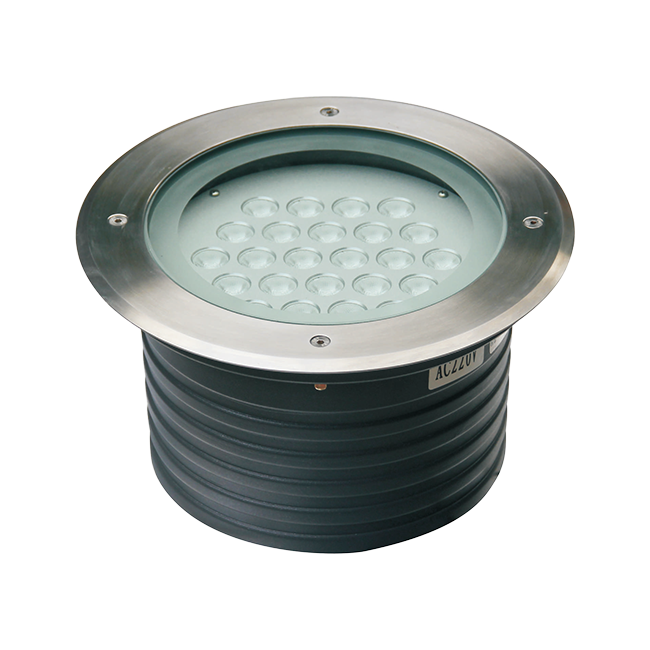

Lighting plays a major role in how spaces look, feel, and function, especially when water is involved. From swimming pools and fountains to marine environments and architectural features, underwater lighting has become an essential design and safety element. In the very first look at this topic, it is important to understand how underwater light works and how it differs from other outdoor lighting options such as floodlights, particularly in environments where water exposure is constant and unavoidable.
This complete guide explores what underwater lights are, how they work, their main types, and where they are most commonly used. It also covers design considerations, installation basics, safety aspects, and maintenance tips to help you understand why underwater lighting is so widely adopted across residential, commercial, and public spaces.
What Are Underwater Lights?
Underwater lights are specially designed lighting fixtures built to operate safely and efficiently while fully submerged in water. Unlike standard outdoor lighting, these fixtures are sealed, waterproof, and constructed using materials that resist corrosion, pressure, and long-term moisture exposure.
How Underwater Lights Work
Underwater lights function by enclosing electrical components within a watertight housing. This housing prevents water from entering and damaging the internal circuitry. Most modern underwater lighting systems use LED technology, which generates minimal heat and consumes less power, making it ideal for submerged conditions.
These lights are typically installed into pool walls, fountain bases, pond floors, or marine structures. Light emitted from underwater fixtures interacts beautifully with moving water, creating reflections, ripples, and depth that cannot be achieved with surface lighting alone.
Key Features of Underwater Lighting
Underwater lights are engineered with specific features to ensure durability and safety. These include high ingress protection ratings, reinforced glass or polycarbonate lenses, and low-voltage power systems. Many designs also allow for color-changing effects, dimming, and programmable lighting patterns.
Because they operate in close proximity to water, safety standards are strict, making underwater lighting one of the most specialized categories in the lighting industry.
Types of Underwater Lights
Underwater lights are available in several forms, each suited to different applications and environments. Understanding these types helps in selecting the right solution for a specific project.
LED Underwater Lights
LED underwater lights are the most popular option today due to their energy efficiency, long lifespan, and design flexibility. They are available in various color temperatures and RGB options, allowing for dramatic visual effects in pools, fountains, and water features.
LEDs also produce less heat, reducing stress on materials and improving overall safety when submerged for extended periods.
Halogen Underwater Lights
Halogen underwater lights were widely used before LED technology became dominant. They provide a warm, bright glow and are still found in older installations. However, they consume more energy and generate more heat, which has led many users to replace them with LED alternatives.
Fiber Optic Underwater Lighting
Fiber optic lighting systems use a remote light source that transmits light through fiber cables into the water. Since no electricity passes directly into the water, this option offers excellent safety. Fiber optic systems are commonly used in decorative fountains and specialty installations, though they can be more expensive to install.
Common Uses of Underwater Lights
Underwater lights are used across a wide range of settings, combining aesthetics, functionality, and safety. Below are the most common applications.
Swimming Pools
Swimming pools are one of the most familiar uses of underwater lighting. Lights installed within pool walls and floors improve visibility, enhance safety for nighttime swimming, and create an inviting atmosphere.
In residential pools, underwater lighting adds luxury and visual appeal. In public and commercial pools, it helps lifeguards monitor swimmers and ensures compliance with safety standards.
Fountains and Water Features
Decorative fountains rely heavily on underwater lighting to achieve their visual impact. Lights placed beneath the water surface illuminate flowing water, jets, and cascades, transforming simple structures into eye-catching displays.
In public plazas and hotel entrances, underwater lighting often works alongside surface lighting such as floodlights to highlight surrounding architecture while keeping the water feature itself visually dynamic.
Ponds and Water Gardens
In landscape design, underwater lights are commonly used in ponds and water gardens. They highlight aquatic plants, fish, and rock formations while adding depth and drama to outdoor spaces.
These lights allow ponds to remain a focal point even after sunset, extending the usability and enjoyment of landscaped areas.
Marine and Coastal Applications
Underwater lighting is also used in marine environments such as docks, marinas, and waterfront properties. These installations improve visibility around boats and piers while enhancing security.
In some cases, underwater lights are used to attract marine life, creating unique visual experiences near coastal homes or resorts.
Architectural and Commercial Applications
Beyond residential use, underwater lights play an important role in commercial and architectural projects.
Hotels and Resorts
Hotels and resorts frequently use underwater lighting in pools, spas, and decorative water features to create memorable guest experiences. Carefully planned lighting designs can evoke relaxation, luxury, or excitement depending on the setting.
These installations often combine underwater lighting with landscape and facade lighting for a cohesive visual effect.
Public Spaces and Urban Design
In urban environments, underwater lights are used in public fountains, bridges, and waterfront developments. They enhance nighttime aesthetics while contributing to the identity of a city or public space.
When paired thoughtfully with surrounding floodlights, underwater lighting helps balance brightness levels and directs attention to key design elements.
Theme Parks and Entertainment Venues
Theme parks and entertainment venues rely on underwater lighting to support storytelling and immersive experiences. From artificial lagoons to water-based attractions, underwater lights add depth and drama that elevate the overall design.
Design Considerations for Underwater Lighting
Designing an effective underwater lighting system requires careful planning and an understanding of both technical and aesthetic factors.
Light Placement and Angles
Proper placement ensures even illumination and avoids glare. Lights should be positioned to highlight features without creating harsh shadows or overly bright spots.
In pools, lights are often angled to reflect off walls and floors, maximizing coverage while minimizing direct exposure to swimmers’ eyes.
Color and Mood
Color plays a significant role in underwater lighting design. Cool white tones provide clarity and a modern look, while warmer tones create a relaxed atmosphere. Color-changing options allow spaces to adapt for different events or moods.
Integration With Other Lighting Systems
Underwater lights rarely operate alone. They are often part of a broader lighting plan that includes pathway lights, accent lights, and surface-mounted fixtures. Thoughtful integration ensures visual harmony across the entire space.
Installation and Safety Essentials
Safety is a top priority when installing underwater lighting. Because electricity and water are involved, strict standards must be followed.
Waterproof Ratings and Materials
Underwater lights must have appropriate ingress protection ratings to ensure they can withstand full submersion. Materials such as stainless steel, brass, and reinforced plastics are commonly used to resist corrosion.
Low-Voltage Systems
Most underwater lighting systems operate on low voltage to reduce electrical risk. Transformers and control units are typically installed away from water sources to enhance safety.
Professional Installation
While some small-scale installations may seem straightforward, professional installation is strongly recommended. Proper sealing, grounding, and testing are essential to ensure long-term performance and user safety.
Maintenance and Longevity
Regular maintenance helps underwater lights perform reliably and look their best over time.
Cleaning and Inspection
Mineral buildup, algae, and debris can reduce light output. Periodic cleaning keeps lenses clear and maintains brightness.
Routine inspections also help identify worn seals or damaged components before they become serious issues.
Upgrading Older Systems
Many older underwater lighting systems use outdated technology. Upgrading to modern LED fixtures improves energy efficiency, reduces maintenance needs, and expands design possibilities.
Replacing older systems also allows for better integration with newer lighting controls and automation features.
Wrapping Up
Underwater lights are far more than decorative accessories. They are functional, safety-enhancing, and design-defining elements used across pools, fountains, landscapes, and marine environments. By understanding how underwater lighting works, where it is commonly used, and what factors influence its design and installation, it becomes clear why it plays such a vital role in modern spaces.
Whether enhancing a quiet backyard pond or illuminating a large public fountain, the thoughtful use of underwater light combined with complementary lighting strategies such as floodlights can transform water features into captivating visual experiences that shine both day and night.