
Choosing the right toys for your cat isn’t just about fun—it’s about supporting their physical health, mental stimulation, and natural instincts at every life stage. A playful kitten and a calm adult cat may look similar on the surface, but their toy needs are completely different. Understanding these differences helps you avoid wasted money, bored cats, and scratched furniture.
From energetic pounces to strategic stalking, cats play with purpose. The toys you choose should match their age, energy levels, and behavior patterns. Whether you’re browsing cat toys for a new kitten or upgrading playtime for a mature feline while considering overall care like cat grooming abu dhabi, knowing what works best for each stage makes a big difference.
Let’s break it down in a way that’s easy to follow, practical, and genuinely useful.
Why Age Matters When Choosing Cat Toys
Cats go through clear developmental phases. Each stage comes with unique physical abilities, mental needs, and play styles. A toy that excites a 10-week-old kitten might be ignored—or even annoying—to a 5-year-old cat.
Playtime serves different purposes depending on age:
- For kittens, play is learning
- For adult cats, play is exercise and enrichment
- For senior cats, play supports mobility and mental sharpness
Focusing on kittens vs. adult cats helps ensure playtime stays safe, engaging, and beneficial rather than frustrating or overstimulating.
Understanding Kitten Play Behavior
High Energy and Rapid Learning
Kittens are bundles of curiosity. Everything moves, everything is new, and everything is worth chasing. Their brains and bodies are developing quickly, which means play is not optional—it’s essential.
Through play, kittens learn:
- Coordination and balance
- How to hunt and stalk
- Bite control and claw management
- Social skills and boundaries
They play hard, often in short but intense bursts, followed by sudden naps.
Best Types of Toys for Kittens
Interactive Wand Toys
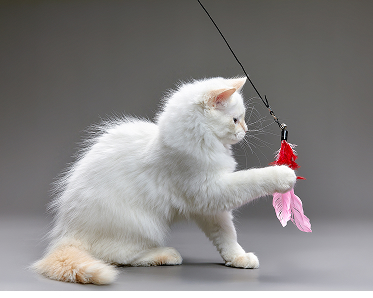
Feather wands, ribbon teasasers, and dangling toys are perfect for kittens. They simulate prey and help kittens practice jumping, pouncing, and chasing while keeping your hands safely out of reach.
These toys also help strengthen the bond between you and your kitten through shared play.
Small, Lightweight Balls
Ping-pong balls, soft foam balls, or crinkle balls are easy for tiny paws to bat around. Kittens love toys that roll unpredictably across the floor.
Make sure they’re large enough not to be swallowed.
Soft Plush Toys
Plush toys give kittens something to wrestle, kick, and bite. This helps them learn proper bite pressure and releases excess energy in a safe way.
Look for toys designed specifically for kittens, with reinforced stitching.
Puzzle Toys (Beginner Level)
Simple treat-dispensing toys introduce problem-solving skills. These toys should be easy to use and not overly complex, as kittens can get frustrated quickly.
What to Avoid for Kittens
- Toys with long strings left unattended
- Very hard or heavy toys
- Toys with small detachable parts
- Laser pointers without physical toy follow-up
Safety is key because kittens explore the world with their mouths as much as their paws.
Adult Cats: A Different Play Style
More Selective, Less Chaotic
Adult cats usually calm down compared to kittens, but that doesn’t mean they don’t need play. Instead of nonstop zoomies, adult cats prefer purposeful, engaging activities.
Play helps adult cats:
- Maintain a healthy weight
- Prevent boredom and stress
- Reduce destructive behavior
- Stay mentally sharp
Unlike kittens, adult cats may ignore toys that don’t feel “realistic” or stimulating enough.
Best Types of Toys for Adult Cats
Hunting-Style Interactive Toys
Adult cats enjoy toys that mimic real prey behavior. Wand toys with erratic movement patterns are ideal. Slower, more deliberate motion works better than frantic waving.
Rotate toys regularly to keep interest high.
Puzzle Feeders and Intelligence Toys
Mental stimulation becomes more important with age. Puzzle toys challenge adult cats to think, plan, and problem-solve, which reduces anxiety and boredom—especially for indoor cats.
These toys are also excellent for portion control.
Catnip and Silvervine Toys
Many adult cats respond strongly to catnip or silvervine. These toys encourage rolling, rubbing, and playful bursts of activity, even in otherwise lazy cats.
Not all cats react, but for those who do, it’s a great enrichment tool.
Solo Play Toys
Adult cats are more independent. Toys that move on their own, track balls, or spring-mounted toys allow cats to play even when you’re busy.
Key Differences Between Kitten and Adult Cat Toys
Durability
Kittens are learning, adult cats are testing. Adult cats bite harder and play more strategically, so toys need to be sturdier and longer-lasting.
Complexity
Kittens need simple toys that encourage basic motor skills. Adult cats enjoy toys that require thinking, timing, and problem-solving.
Energy Level
Kittens burn energy fast and often. Adult cats prefer fewer but more meaningful play sessions.
Safety Requirements
While safety matters at all ages, kittens are more vulnerable to choking hazards and overexertion.
How Grooming and Play Are Connected
Play isn’t just about entertainment—it supports overall wellbeing, including coat and skin health. Active play improves circulation, which supports a healthier coat and reduces shedding.
Regular play also helps cats tolerate handling better, making grooming routines easier. This is especially helpful for owners who focus on complete care, including cat grooming abu dhabi, where stress-free handling makes a noticeable difference.
Cats that play regularly tend to groom themselves more effectively and respond better to brushing and nail trimming.
Indoor Cats vs. Outdoor Cats
Indoor Kittens and Cats
Indoor cats rely entirely on toys for stimulation. Without proper play, they can develop behavioral issues like scratching furniture or nighttime hyperactivity.
Rotating toys weekly keeps things fresh and exciting.
Outdoor or Partially Outdoor Cats
Outdoor cats get more natural stimulation, but toys are still important. Interactive toys strengthen the bond between cat and owner and provide enrichment during indoor time.
Adult outdoor cats, in particular, benefit from puzzle toys that challenge their intelligence.
Signs You’re Using the Wrong Toys
Your cat will tell you—without words.
Common signs include:
- Ignoring toys completely
- Becoming aggressive during play
- Overstimulation or sudden biting
- Losing interest quickly
If your kitten seems bored or your adult cat seems annoyed, it’s time to reassess toy type, size, or play style.
How Often Should You Replace Toys?
- Kittens: inspect weekly, replace often due to wear
- Adult cats: replace when damaged or when interest fades
Worn toys can become unsafe, especially if parts loosen or fabric tears.
Keeping toys clean also matters. Wash fabric toys regularly and wipe down plastic toys to prevent bacteria buildup, which supports overall hygiene alongside routines like cat grooming abu dhabi.
Creating a Balanced Toy Collection
A well-rounded toy setup includes:
- Interactive toys for bonding
- Solo toys for independent play
- Mental stimulation toys
- Comfort toys
Avoid overwhelming your cat with too many toys at once. A smaller, rotating collection keeps playtime exciting.
Remember, quality beats quantity every time.
Wrapping Up
Kittens and adult cats may share whiskers and tails, but their play needs are worlds apart. Kittens need toys that support learning, coordination, and safe exploration, while adult cats thrive on stimulation that challenges their minds and satisfies their instincts.
Choosing age-appropriate toys improves behavior, strengthens your bond, and supports long-term health. When paired with proper nutrition, regular vet visits, and thoughtful care routines—including cat toys selection and grooming considerations—play becomes a powerful tool in your cat’s overall wellbeing.
Pay attention to your cat’s age, personality, and preferences, and you’ll find that the right toy at the right time can make all the difference—for both of you.