
Cartilage inflammation can disrupt your daily life in ways you may not expect. You might feel sharp pain when you breathe deeply, stiffness in your joints, or tenderness around your ribs. These symptoms often lead to worry, especially if chest pain appears suddenly. As a medical professional with experience in musculoskeletal and inflammatory conditions, I know how unsettling these sensations can feel. The good news is that with the right knowledge and consistent care, you can support natural recovery and reduce discomfort safely.
What cartilage inflammation is, why it happens, how it feels, and what you can do to encourage healing using practical and evidence-informed approaches.
What Is Cartilage and Why Does It Matter?
Cartilage is a firm yet flexible connective tissue. It cushions your joints, connects your ribs to your breastbone, and supports structures such as your nose and ears. Unlike muscle or skin, cartilage has very limited blood supply. This means it heals more slowly after injury or irritation.
There are three main types of cartilage:
- Hyaline cartilage – found in joints and ribs
- Elastic cartilage – found in ears and certain airway structures
- Fibrocartilage – found in spinal discs and knee menisci
When cartilage becomes inflamed, you may experience pain, swelling, and restricted movement. Inflammation can affect different areas of the body, but one of the most common and alarming locations is the chest wall.
Common Causes of Cartilage Inflammation
Cartilage inflammation does not happen without reason. Several factors can trigger it:
1. Repetitive Strain
Frequent heavy lifting, poor posture, or repetitive arm movements can irritate the rib cartilage.
2. Direct Injury
A fall, sports injury, or car accident can inflame cartilage in the ribs, knees, or other joints.
3. Viral or Bacterial Infections
Infections can trigger inflammation in the chest wall cartilage.
4. Autoimmune Conditions
Conditions such as rheumatoid arthritis may involve cartilage inflammation.
5. Postural Stress
Long hours at a desk with rounded shoulders can strain the chest wall and rib joints.
When rib cartilage becomes inflamed, doctors often diagnose Costochondritis, a condition that causes localised chest pain. Although painful, it is not related to heart disease in most cases.
Symptoms You May Notice
Cartilage inflammation can present in several ways depending on the location.
Chest (Costochondritis)
- Sharp or aching pain near the breastbone
- Pain that worsens with deep breathing
- Tenderness when pressing the affected area
- Discomfort when coughing or stretching
Knee or Joint Cartilage
- Swelling
- Stiffness
- Clicking or grinding sensations
- Pain during movement
If you experience sudden chest pain with breathlessness, sweating, or spreading pain to the arm or jaw, seek urgent medical help. Always rule out heart-related causes before assuming cartilage inflammation.
Why Cartilage Takes Time to Heal
Cartilage lacks its own direct blood supply. Nutrients reach it through surrounding tissues and joint fluid. Because of this:
- Healing progresses slowly
- Overuse delays recovery
- Rest plays a key role
- Inflammation must settle before repair begins
If you push through pain, you may extend the healing time.
Natural Recovery Methods That Support Healing
I encourage a balanced approach that supports the body’s own repair processes. You can combine lifestyle adjustments, nutritional support, and gentle therapies to reduce inflammation.
1. Rest and Activity Modification
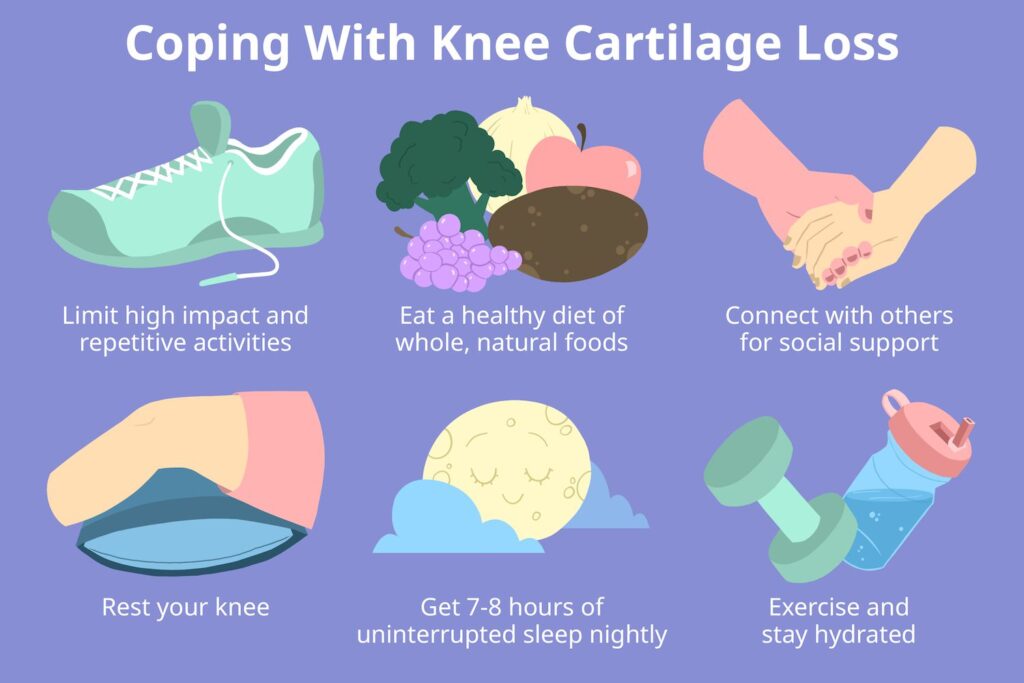
Rest does not mean complete immobility. It means avoiding movements that aggravate the pain. If your chest hurts when lifting heavy objects, stop lifting temporarily. If desk posture worsens discomfort, adjust your chair and screen height.
Allow inflamed tissue time to settle.
2. Heat and Cold Therapy
- Use cold packs during the first 48 hours of flare-ups to reduce swelling.
- Switch to gentle heat after acute inflammation settles to ease stiffness and improve circulation.
Apply for 15–20 minutes at a time.
3. Anti-Inflammatory Nutrition
Food plays an important role in inflammation control.
Focus on:
- Oily fish (rich in omega-3 fatty acids)
- Leafy greens
- Berries
- Turmeric and ginger
- Nuts and seeds
Reduce:
- Refined sugar
- Processed foods
- Excess alcohol
A balanced diet provides nutrients that cartilage requires for maintenance and repair.
4. Key Nutrients for Cartilage Health
Certain nutrients may support cartilage structure and inflammatory balance.
Vitamin D
Supports immune regulation and bone health.
Vitamin C
Plays a role in collagen production.
Omega-3 Fatty Acids
Help regulate inflammatory pathways.
Magnesium
Supports muscle relaxation and reduces tension in surrounding tissues.
If you are exploring Costochondritis Natural Supplements, always choose reputable sources and consult your GP before starting new products, especially if you take other medications.
5. Gentle Stretching and Physiotherapy
Controlled stretching improves flexibility and reduces muscle tension that may pull on inflamed cartilage.
For chest wall inflammation:
- Doorway chest stretches
- Shoulder blade squeezes
- Thoracic spine mobility exercises
A physiotherapist can guide you safely. Avoid aggressive stretching during acute pain.
6. Breathing Exercises
Shallow breathing often develops due to chest discomfort. This can increase stiffness.
Try diaphragmatic breathing:
- Sit upright.
- Place one hand on your abdomen.
- Inhale slowly through your nose.
- Expand your abdomen rather than lifting your shoulders.
- Exhale gently through your mouth.
Practise for 5 minutes twice daily.
7. Posture Correction
Poor posture strains rib cartilage and spinal joints.
- Keep shoulders relaxed.
- Align ears over shoulders.
- Avoid prolonged slouching.
- Take movement breaks every 30–60 minutes.
Postural improvement reduces mechanical stress on inflamed cartilage.
8. Stress Management
Chronic stress influences inflammation through hormonal pathways. You may notice flare-ups during stressful periods.
Helpful strategies include:
- Gentle yoga
- Mindfulness practice
- Regular sleep schedule
- Light outdoor walks
Inflammation often improves when your nervous system settles.
When Chest Pain Is Costochondritis
If you have received a diagnosis of Costochondritis, you likely experienced tenderness along the rib joints near the breastbone. The pain can mimic heart-related discomfort, which often causes fear.
Doctors diagnose costochondritis based on:
- Localised tenderness
- Reproducible pain on pressure
- Normal heart investigations
Recovery may take several weeks. Most cases improve with conservative care.
You can also explore Natural Remedies for Costochondritis to complement rest and physiotherapy, provided your healthcare professional approves.
Supporting Collagen Production
Cartilage depends on collagen for structure. You can support collagen naturally by:
- Consuming adequate protein
- Including vitamin C-rich foods
- Avoiding smoking
- Staying hydrated
Bone broth, citrus fruits, and colourful vegetables contribute to collagen support.
Weight Management and Joint Load
If inflammation affects weight-bearing joints such as knees, reducing excess weight can significantly lower stress on cartilage. Even modest weight reduction decreases joint pressure.
You do not need extreme dieting. Focus on sustainable changes:
- Regular walking
- Balanced meals
- Consistent sleep
Small changes accumulate over time.
Sleep and Tissue Repair
During sleep, your body repairs tissue and regulates inflammatory signals. Poor sleep prolongs recovery.
Improve sleep quality by:
- Maintaining consistent bedtime
- Reducing screen exposure before bed
- Keeping your bedroom cool and dark
- Limiting caffeine late in the day
Aim for 7–9 hours nightly.
Supplements: What to Consider Carefully
Some individuals consider:
- Glucosamine
- Chondroitin
- Turmeric extracts
- Omega-3 capsules
Research shows mixed results. Some people report relief, while others notice little difference. If you decide to try supplements, source them from trusted suppliers. Many people look for the Best Vitamins and Supplements Products Online UK to ensure safety standards and quality control.
Always discuss supplements with your GP if you:
- Take blood thinners
- Have kidney disease
- Are pregnant
- Manage autoimmune conditions
Red Flags That Need Medical Review
Seek medical advice if you notice:
- Fever
- Persistent swelling
- Joint deformity
- Severe trauma
- Chest pain with breathlessness
- Symptoms lasting longer than three months
Persistent inflammation may require further investigation.
Long-Term Outlook
Most cartilage inflammation improves with time and appropriate care. The key principles include:
- Reduce aggravating activity
- Support nutrition
- Maintain gentle movement
- Manage stress
- Sleep adequately
Avoid repeated strain during recovery.
Practical Daily Recovery Plan
Here is a simple daily framework:
Morning
- Gentle stretching
- Anti-inflammatory breakfast (oats, berries, nuts)
- Posture awareness
Afternoon
- Movement break every hour
- Hydration
- Balanced lunch
Evening
- Light walk
- Breathing exercises
- Heat therapy if stiff
Consistency matters more than intensity.
Emotional Impact of Ongoing Pain
Living with cartilage inflammation can feel frustrating. You may worry about heart disease or long-term joint damage. Reassurance helps. In most cases, the condition remains benign and self-limiting.
If anxiety persists, speak to your GP. Peace of mind supports healing.
Final Thoughts
Cartilage inflammation may disrupt your comfort and routine, but you can influence your recovery. By addressing posture, nutrition, stress, and activity levels, you create the best conditions for healing. Chest wall pain such as Costochondritis often resolves with patience and conservative care.
Listen to your body. Rest when pain increases. Stay active within limits. Nourish yourself with supportive foods. Seek professional advice if symptoms change or worsen.
Natural recovery requires time and consistency, but with informed choices and steady habits, you can regain comfort and return to your usual activities safely.