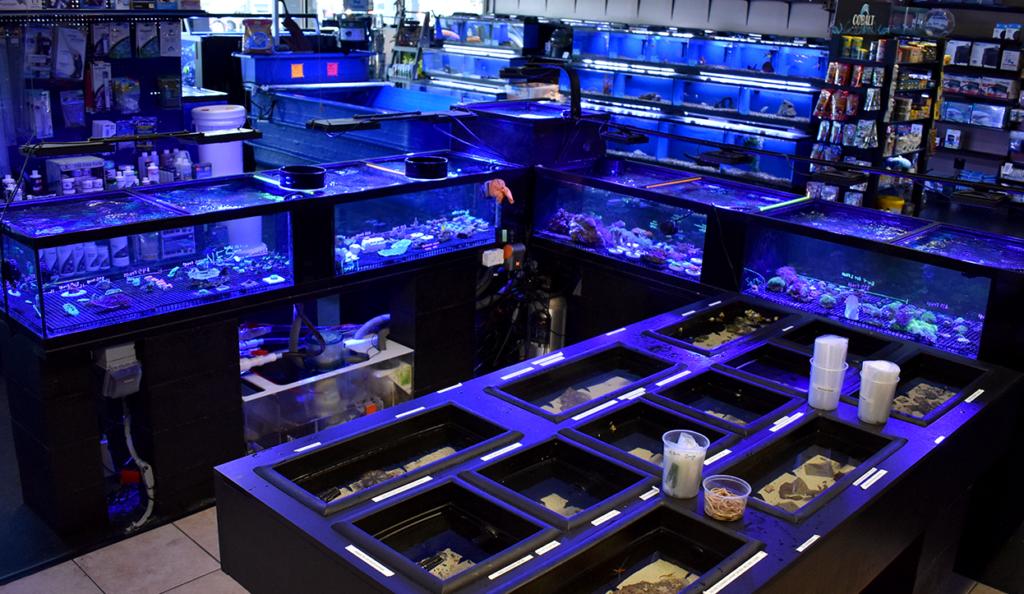

Maintaining clean water is essential for aquarium fish health. Proper water conditions prevent stress, reduce disease risks, and support growth and coloration. Aquarists often consult a saltwater fish store for expert advice, equipment, and testing solutions. Understanding chemical balance, filtration, and routine care is crucial for a thriving aquarium. High water quality allows fish to display natural behavior, develop vibrant colors, and maintain a balanced ecosystem. Consistent attention to these elements ensures a visually appealing and biologically healthy environment for both freshwater and saltwater species.
Water Parameters
Water quality depends on multiple key factors. Stable pH levels suited to fish species are critical, as sudden changes can stress or harm them. Ammonia, nitrite, and nitrate must be monitored to prevent toxicity. Temperature stability is vital for metabolism and overall health. Hardness and alkalinity regulate mineral balance and support steady pH levels. Freshwater and saltwater tanks require different management techniques. Regular testing and observation help aquarists replicate natural habitats, ensuring fish thrive. Proper water parameter control reduces disease, encourages growth, and promotes overall tank stability and a healthier aquatic ecosystem.
Importance of Filtration
Filtration is critical to maintain clean and safe water. Mechanical filtration removes physical particles like debris and leftover food. Biological filtration relies on beneficial bacteria to convert toxic ammonia into less harmful substances. Chemical filtration uses activated carbon or resins to remove odors and impurities. Saltwater tanks benefit from protein skimmers to remove dissolved organic compounds. Choosing a system depends on tank size, fish species, and bioload. Routine maintenance of filter media ensures consistent performance. Effective filtration reduces stress, lowers disease risk, and maintains clear water for a visually and biologically thriving aquarium.
Regular Water Changes and Cleaning
Partial water changes prevent toxin buildup and replenish essential minerals. Replacing 10–20% of water weekly keeps the aquarium balanced. Siphon the substrate to remove detritus while avoiding over-cleaning to preserve beneficial bacteria. Treat tap water with dechlorinators or conditioners before adding it to the tank. Clean decorations, gravel, and equipment regularly to reduce algae and bacterial buildup. Consistent cleaning routines stabilize water chemistry, prevent sudden spikes of harmful compounds, and create a stable environment. Proper water changes improve fish health, support natural behavior, and enhance the overall aesthetic of the aquarium.
Monitoring and Testing Water Quality
Regular testing allows early detection of imbalances before they harm fish. Key tests include ammonia, nitrite, nitrate, pH, and hardness levels. Digital meters or colorimetric kits provide reliable readings. Logging measurements over time helps identify trends and prevent potential issues. Frequent monitoring is essential for new tanks as the ecosystem stabilizes. Early corrective action maintains water quality and fish health. Accurate and consistent monitoring ensures a thriving aquarium, providing peace of mind and supporting a balanced environment for fish, plants, and other aquatic life.
Common Mistakes and How to Avoid Them
Even experienced aquarists make errors that reduce water quality. Overfeeding leads to decaying food and toxic ammonia spikes. Overcrowding overwhelms the filtration system, producing excessive waste. Skipping water changes or filter cleaning allows toxins to accumulate. Ignoring pH and hardness variations stresses fish. Routine monitoring, proper feeding schedules, and regular maintenance prevent these problems. Consulting a saltwater fish store or aquarium expert helps guide stocking, filtration selection, and water management. Avoiding these common mistakes ensures fish remain healthy, reduces disease risk, and supports a stable and visually pleasing aquarium.
Benefits of Proper Water Quality
Maintaining optimal water conditions offers multiple benefits. Fish display natural behavior, develop vibrant colors, and experience reduced disease outbreaks. Survival and reproduction rates improve, contributing to a thriving aquarium ecosystem. Cleaner water reduces odors and makes maintenance easier for aquarists. Plants, invertebrates, and fish coexist harmoniously, creating a balanced environment. Proper water management also enhances enjoyment for aquarium owners by providing a healthy and visually appealing display. High water quality ensures the long-term well-being of aquatic life and encourages responsible and rewarding aquarium keeping practices.
Conclusion
Consistently maintaining water quality is key to happy, healthy fish. Monitoring parameters, using effective filtration, performing regular water changes, and avoiding common mistakes create a stable environment. Freshwater or saltwater species benefit equally from attention to water chemistry and maintenance. Consulting resources such as a saltwater fish store provides solutions for specific challenges. Healthy water ensures fish remain stress-free, vibrant, and long-lived. Investing time in proper care produces a visually stunning, balanced aquarium and a rewarding experience for hobbyists and professional aquarists alike.
FAQs
1. How often should I test aquarium water?
Testing weekly ensures chemical levels remain stable. Newly established tanks may require more frequent monitoring to prevent harmful imbalances.
2. What is the most effective filtration method?
Mechanical, biological, and chemical filtration combined with protein skimmers for saltwater tanks efficiently remove debris, toxins, and organic compounds.
3. How much water should be changed each week?
Replacing 10–20% weekly maintains chemical balance and dilutes toxins, though adjustments depend on tank size, fish population, and bioload.
4. How can I prevent excessive algae growth?
Clean substrate, decorations, and equipment regularly. Monitor nutrient levels and maintain consistent water parameters to reduce algae proliferation.
5. What mistakes negatively affect water quality most?
Overfeeding, overcrowding, skipping maintenance, and ignoring water chemistry can stress fish and allow toxic buildup. Consistent care prevents these issues.