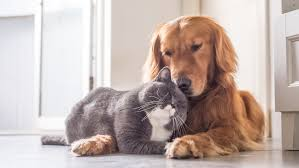

As pets grow older, their needs begin to change in noticeable ways. Slower movements, changes in appetite, and increased sleep are all natural parts of aging. However, proper planning and attentive support can help your furry companion enjoy a comfortable and happy life during their golden years. Wellness Care For Senior Pets is not just about treating illness; it is about prevention, comfort, nutrition, and emotional well-being.
This comprehensive guide explains how pet owners can support aging dogs and cats through proactive health strategies, lifestyle adjustments, and veterinary care.
Understanding the Aging Process in Senior Pets
Aging in pets varies depending on species, breed, and size. Generally, dogs are considered senior between seven and ten years old, while cats are often labeled senior around seven years. Larger dog breeds may show signs of aging earlier than smaller breeds.
As pets age, their metabolism slows, joints become stiffer, and organ function may gradually decline. Vision and hearing changes can also occur. Behavioral shifts, such as increased anxiety or confusion, are sometimes linked to cognitive decline.
Recognizing early signs of aging allows pet owners to adjust routines accordingly. Wellness Care For Senior Pets begins with awareness. Monitoring weight, appetite, mobility, and behavior provides valuable insight into your pet’s overall condition.
The Importance of Preventive Veterinary Visits
Routine veterinary checkups become increasingly important as pets grow older. Instead of annual visits, many veterinarians recommend biannual exams for senior animals. Early detection of issues such as arthritis, diabetes, kidney disease, or heart conditions significantly improves treatment outcomes.
Preventive screenings may include blood tests, urinalysis, dental evaluations, and imaging when necessary. These assessments provide a clearer understanding of internal health that may not be visible externally.
Proactive Wellness Care For Senior Pets focuses on identifying small concerns before they develop into major complications. Preventive visits also offer an opportunity to update vaccination schedules and review parasite control strategies tailored to an aging immune system.
Nutrition Adjustments for Aging Companions
Diet plays a critical role in maintaining health during the senior years. As metabolism slows, calorie requirements often decrease. However, nutrient quality becomes even more important. Balanced meals should support joint health, immune function, and digestive efficiency.
High-quality protein helps preserve muscle mass, while controlled fat content prevents unnecessary weight gain. Fiber supports digestive regularity, and omega fatty acids contribute to joint flexibility and skin health.
When discussing diet modifications, veterinarians may incorporate Senior pet care strategies to tailor meal plans according to specific medical conditions. Some pets require prescription diets designed for kidney, heart, or weight management support.
Hydration is equally essential. Older pets may drink less water, which increases the risk of urinary or kidney issues. Ensuring constant access to fresh water and incorporating moisture-rich foods can improve hydration levels.
Managing Joint Health and Mobility
Arthritis and joint stiffness are among the most common concerns in aging pets. Difficulty climbing stairs, hesitation before jumping, or slower walking speed often indicate discomfort.
Maintaining a healthy weight is one of the most effective ways to reduce joint strain. Light, consistent exercise keeps muscles strong and supports circulation. Short daily walks or gentle play sessions are beneficial without overexertion.
Supplements such as glucosamine and chondroitin may be recommended by veterinarians. In some cases, anti-inflammatory medications or physical therapy techniques can significantly improve comfort levels.
Comfortable bedding is another key component of Wellness Care For Senior Pets. Orthopedic beds provide additional cushioning and reduce pressure on aging joints. Simple environmental adjustments, like ramps or non-slip rugs, can enhance safety and independence.
Dental Health and Oral Care in Senior Years
Oral health is frequently overlooked, yet it directly impacts overall wellness. Dental disease can lead to pain, infection, and systemic complications affecting organs such as the heart and kidneys.
Regular dental checkups and professional cleanings are essential. Brushing your pet’s teeth at home with veterinarian-approved toothpaste helps reduce plaque buildup. Dental chews designed for seniors may also assist in maintaining oral hygiene.
Ignoring dental issues can result in difficulty eating and weight loss. Comprehensive Wellness Care For Senior Pets includes consistent attention to oral health to prevent unnecessary discomfort.
Mental Stimulation and Emotional Well-Being
Cognitive changes may occur as pets age. Some senior animals experience confusion, altered sleep cycles, or decreased interaction. Providing mental enrichment helps slow cognitive decline and maintain emotional balance.
Interactive toys, gentle training exercises, and puzzle feeders encourage mental engagement. Consistent routines offer comfort and reduce anxiety.
Spending quality time with your pet strengthens the bond you share. Affection, gentle grooming, and calm environments contribute to emotional stability. Emotional care is a fundamental element of Wellness Care For Senior Pets, ensuring that aging companions continue to feel secure and valued.
Grooming and Skin Care for Older Pets
As pets age, their skin may become thinner and more sensitive. Coat quality can change, sometimes appearing dull or dry. Regular grooming promotes circulation and allows early detection of lumps, bumps, or skin abnormalities.
Brushing removes loose fur and distributes natural oils. Bathing should be done with mild, moisturizing shampoos formulated for senior pets. Nail trimming becomes especially important, as reduced activity may prevent natural nail wear.
Routine grooming sessions also provide an opportunity to assess body condition. Early detection of unusual growths allows timely veterinary evaluation. Maintaining skin and coat health supports overall Wellness Care For Senior Pets and improves comfort levels.
Creating a Comfortable Home Environment
Environmental adjustments can significantly improve quality of life for senior pets. Slippery floors may increase the risk of falls, while high furniture can become difficult to access. Simple modifications make daily life easier and safer.
Installing pet ramps, adding soft bedding in quiet areas, and ensuring easy access to food and water bowls are practical steps. Maintaining consistent room temperature also supports older pets who may struggle with temperature regulation.
Reducing household stress and loud noises contributes to a calm atmosphere. Predictability and routine play a vital role in effective Wellness Care For Senior Pets, allowing them to feel secure and comfortable in their surroundings.
How South West Animal Hospital Supports Senior Pet Wellness
South West Animal Hospital is dedicated to providing comprehensive services tailored to aging pets. From preventive screenings to advanced diagnostic testing, the facility focuses on individualized treatment plans. Their experienced veterinary team understands the unique needs of senior animals and prioritizes compassionate, preventive care.
By offering nutritional counseling, dental services, mobility management, and wellness exams, South West Animal Hospital ensures that every pet receives thorough attention throughout their senior years.
Frequently Asked Questions About Senior Pet Wellness
When is a pet considered a senior?
Most dogs enter their senior stage between seven and ten years of age, depending on size and breed. Cats are typically considered senior at around seven years old.
How often should senior pets visit the veterinarian?
Senior pets benefit from veterinary checkups every six months. Frequent visits allow early detection of age-related conditions.
What are common health problems in senior pets?
Common concerns include arthritis, dental disease, kidney issues, heart conditions, diabetes, and cognitive decline. Regular monitoring helps manage these conditions effectively.
Can senior pets still exercise?
Yes, moderate exercise remains important. Short walks and gentle play sessions maintain muscle tone and support mental stimulation.
How can I improve my senior pet’s comfort at home?
Providing orthopedic bedding, non-slip flooring, accessible food and water bowls, and a calm environment enhances comfort and safety.
Conclusion
Caring for an aging pet requires thoughtful adjustments, proactive monitoring, and compassionate attention. Wellness Care For Senior Pets emphasizes prevention, nutrition, mobility support, and emotional well-being. By understanding the changing needs of senior animals and partnering with trusted veterinary professionals, pet owners can help their companions enjoy a fulfilling and comfortable life well into their golden years.