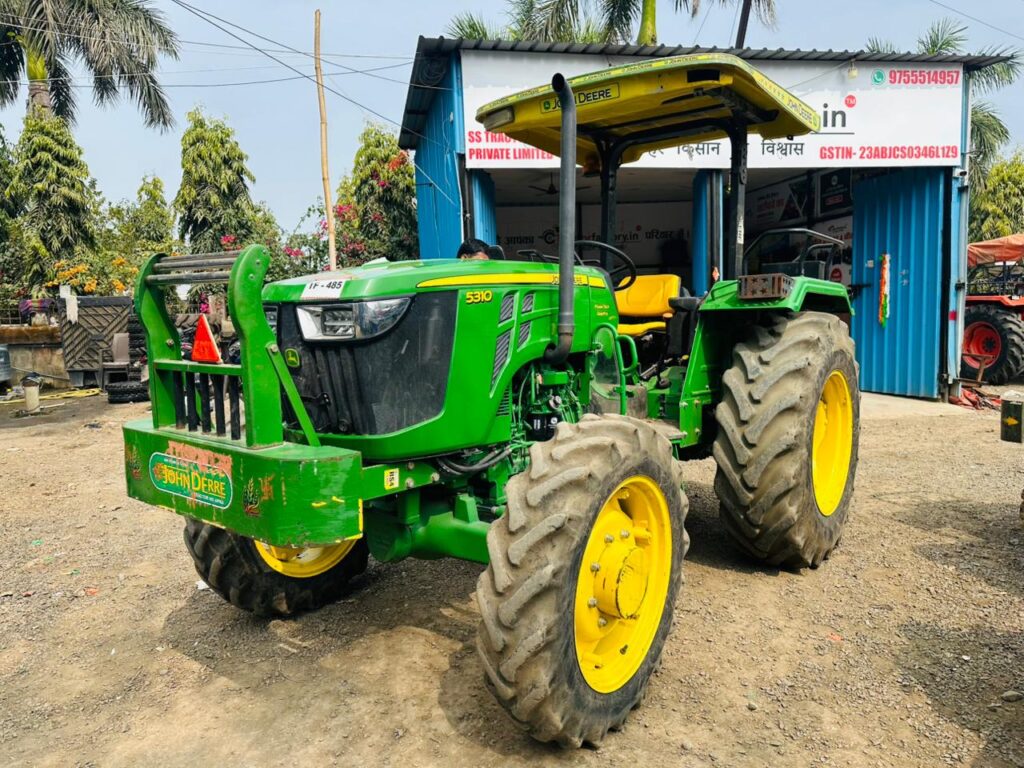

There’s a certain sound an old tractor makes when it starts on a cold morning. Not smooth. Not quiet. But honest. You feel it in the seat, in the steering wheel, even in your bones. That sound is why many farmers still trust old tractors. Not because they are cheap alone. Because they work, year after year, without drama.
Why Old Tractors Still Matter on Real Farms
I’ve spent enough hours behind the wheel of old tractors to know this much: they don’t pretend. What you see is what you get. No screens blinking warnings. No sensors arguing with you. Just iron, diesel, and muscle.
On small and medium farms, old tractors still handle ploughing, trolley work, water pumps, and rotavators without complaint. They may not win beauty contests, but they pull their weight. Sometimes more than expected.
The Kind of Power You Can Actually Feel
Old tractors don’t chase horsepower numbers on paper. Their strength shows up when the soil is heavy and wet, when a new machine would hesitate or stall.
Low-end torque is where these machines shine. You engage the gear, release the clutch slowly, and the tractor moves forward with a steady push. No sudden jumps. No confusion. Just forward motion. That kind of power builds confidence, especially for operators who’ve learned farming the hard way.
Built When Metal Meant Something
Pick up a spanner and tap the body of an old tractor. You’ll hear the difference. Thicker steel. Heavier components. Less plastic pretending to be strength.
These tractors were built in an era when durability mattered more than looks. Gearboxes feel solid. Axles don’t flinch under load. Even after decades, many parts still hold original tolerances. That’s not nostalgia. That’s engineering.
Maintenance That Makes Sense
Ask any village mechanic. Old tractors are easier to keep alive.
Parts are available. Repairs are straightforward. You don’t need a laptop or special software. A basic toolkit, experience, and patience go a long way. When something breaks, you fix it. You don’t replace the whole system. That alone saves serious money over the years.
Fuel Consumption in Real Conditions
Here’s something people don’t talk about enough. Old tractors, when tuned properly, can be surprisingly fuel efficient for their size.
They run at lower RPMs. They don’t waste fuel chasing performance curves. During long hours of steady work like puddling or trolley hauling, fuel use stays predictable. No sudden spikes. No confusion. You know what to expect, and you plan around it.
Learning Farming the Right Way
Many farmers learned tractor operation on old machines. And there’s a reason.
Old tractors teach you timing. Clutch control. Gear selection. You learn to listen. To feel the engine strain. Modern machines do a lot for you. Old tractors make you part of the process. That experience stays with you for life.
Resale Value That Refuses to Die
An old tractor in decent condition always finds a buyer. Always.
There’s steady demand from small farmers, new landowners, and people who need a backup machine. Even after years of use, resale prices don’t fall sharply. In some cases, well-maintained models hold value better than expected. That’s rare in machinery.
Ideal for Secondary Farm Work
Not every job needs a brand-new tractor.
Old tractors are perfect for daily chores. Water tank pulling. Fodder cutting. Farmyard transport. Running threshers or generators. You don’t worry about scratches or wear. You just work. That freedom has value too.
Fewer Electronics, Fewer Headaches
This part matters more than people admit.
No sensors failing during harvest. No software glitches stopping work. Old tractors rely on mechanical systems you can understand and control. When something goes wrong, you see it. You hear it. You smell it. Problems don’t hide behind error codes.
Comfort Isn’t Fancy, But It’s Honest
Let’s be clear. Old tractors aren’t luxury rides. Seats are firm. Steering can be heavy. But comfort comes from familiarity.
Once you know your tractor, your body adjusts. You know where to shift. When to slow down. How to rest your hands. That connection turns a rough machine into a trusted tool.
Old Tractors in Modern Farming Setups
Many farms today run a mix of old and new machines.
The new tractor handles precision work. The old one takes care of everything else. This balance reduces wear on expensive equipment and spreads workload sensibly. Old tractors earn their place quietly, without demanding attention.
What to Look for When Buying an Old Tractor
Condition matters more than age. Always.
Check engine sound under load. Look for excessive smoke. Inspect clutch response. Test hydraulics with actual implements, not just empty lifts. A clean paint job means nothing if the gearbox slips or the engine knocks.
The Emotional Side Nobody Talks About
Some tractors carry stories.
They worked the same land for decades. They’ve seen droughts, good harvests, bad seasons. For many farmers, selling an old tractor feels like letting go of a family member. That emotional bond isn’t practical, but it’s real. And it says something about the machine.
Spare Parts and Local Support
Another advantage of old tractors is community knowledge.
Mechanics know them. Operators know them. Spare parts shops stock them. You’re not dependent on authorized service centers miles away. Support lives nearby, often within the village itself.
Old Tractors as Training Machines
Teaching someone to drive? Use an old tractor.
You don’t worry about damaging expensive electronics. Mistakes become lessons instead of repair bills. New drivers gain confidence faster because the machine responds directly to their actions. No filters. No buffers.
Weathering the Years with Grace
Yes, old tractors show age. Paint fades. Panels dent. But structurally, many remain strong.
With basic care, regular oil changes, and sensible use, these machines keep going. They don’t ask for perfection. Just respect.
Cost Control for Real Farmers
Farming margins are tight. Everyone knows that.
Old tractors help control costs. Lower purchase price. Affordable repairs. Stable resale. For farmers watching every rupee, that matters more than fancy features or brand prestige.
When Old Is Actually the Smarter Choice
Not every farm needs the latest model. Not every task needs technology.
Sometimes, reliability beats innovation. Sometimes, simplicity wins. Old tractors fit that space perfectly. They don’t compete with modern machines. They complement them.
Final Thoughts from the Field
It’s the kind of machine that earns trust slowly and keeps it for years. For farmers who value control, durability, and honest performance, old tractors remain a smart, grounded choice. Not because they are old. But because they still work.