
Epilepsy is a condition that affects the brain and causes repeated seizures. A seizure happens when there is sudden, unusual electrical activity in the brain. This change in brain activity can affect how a person moves, feels, thinks, or responds to what is happening around them. Many people want to understand the early signs and epilepsy symptoms so they can get help early and stay safe.
Learning about epilepsy not only helps people who might have the condition, it also helps families, friends, and caregivers know what to watch for and how to respond. To better understand what happens, it helps to think about how the brain controls everything we do — from moving our hands to remembering a song. When normal brain activity becomes disrupted, that is when symptoms can show up.
At its core, epilepsy can look very different from one person to another. Some people may experience major convulsions, while others may have very subtle changes that are easy to overlook. Because of this variety, knowing the common signs is important. If you want to learn more about neurological health and common symptoms, you can also visit our detailed guide on epilepsy symptoms and care at Malik Medical Centre.
Common Physical Signs
One of the most recognized symptoms of epilepsy is convulsions. During certain seizures, a person may suddenly fall, lose consciousness, and experience stiffening of the body followed by rhythmic jerking movements. This type of seizure is known as a tonic-clonic seizure. Afterward, the person may feel confused, tired, or unaware of what just happened.
However, not all seizures involve shaking or falling. Some people experience brief staring spells where they suddenly stop responding and appear lost for a few seconds. These absence seizures are more common in children and may be mistaken for daydreaming.
Other physical signs can include sudden muscle stiffness or unexpected limpness. A person may drop objects from their hands, nod their head without control, or collapse unexpectedly.
Sensory and Emotional Symptoms
Some people notice unusual sensations before a seizure begins. These sensations, called auras, may include tingling feelings, strange smells, flashing lights, or sudden intense emotions such as fear or anxiety. An aura can act as a warning sign that a seizure is about to happen.
After a seizure, confusion and fatigue are common. A person may struggle to speak clearly or may not remember what occurred. This recovery period varies from person to person.
When Symptoms Are Hard to Notice
Because epilepsy symptoms can be subtle, they are sometimes misunderstood. A child who has repeated staring spells may be labeled as inattentive. An adult who feels brief unusual sensations may not realize these could be mild seizures.
Repeated or unexplained episodes should always be discussed with a healthcare professional. Careful observation of patterns can help doctors make an accurate diagnosis.
How Epilepsy Is Diagnosed
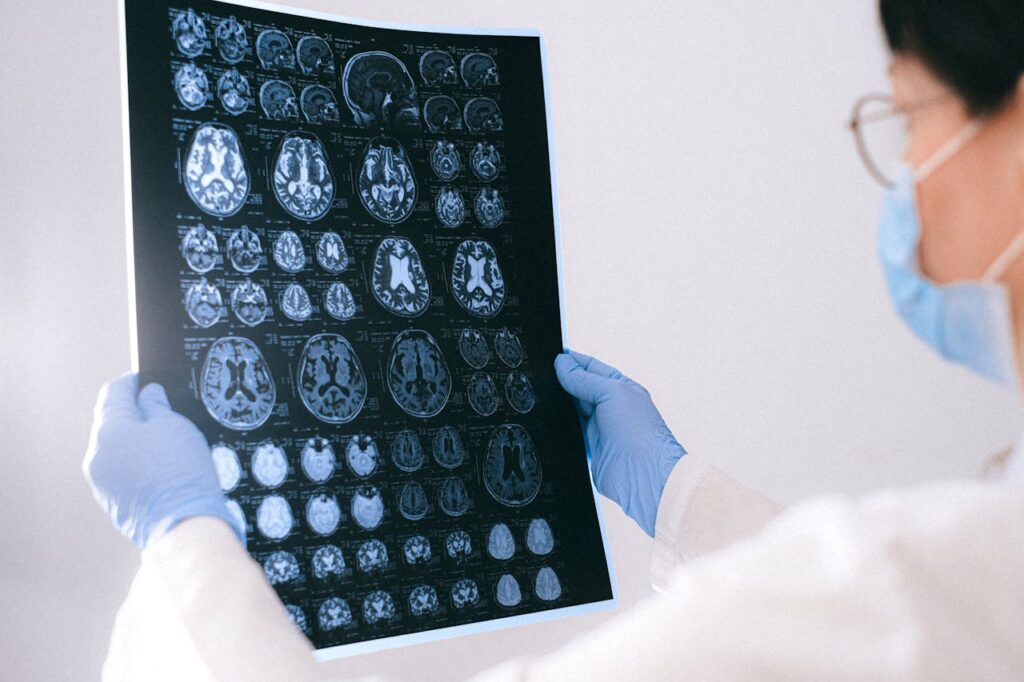
Doctors begin by reviewing the patient’s medical history and details about the episodes. Tests such as an electroencephalogram, or EEG, measure electrical activity in the brain. Imaging tests like MRI scans may also be used to examine brain structure and rule out other causes.
Early diagnosis is important because proper treatment can greatly reduce seizure frequency.
Living With Epilepsy
Although epilepsy can feel frightening at first, many people manage it successfully. Medication is commonly used to help control seizures. Maintaining regular sleep, reducing stress, and following medical advice are also important steps.
Family members and caregivers should learn basic seizure first-aid and understand how to respond calmly during an episode. Support and awareness make a significant difference in a person’s quality of life.
When to Seek Immediate Medical Help
There are certain situations where epilepsy symptoms require urgent medical care. If a seizure lasts longer than five minutes, it should be treated as an emergency. Immediate help is also needed if seizures occur repeatedly without the person fully regaining awareness between episodes. Medical attention is important if someone is injured during a seizure or has difficulty breathing afterward.
Taking quick action in these situations can prevent serious complications and protect the person’s safety.
Final Thoughts
Epilepsy symptoms can vary widely, from dramatic convulsions to subtle changes in awareness or sensation. Understanding these signs helps families respond appropriately and seek medical advice when needed.
With proper care and treatment, many individuals with epilepsy live full and productive lives. If you notice repeated unusual episodes or neurological concerns, it is important to consult a healthcare provider. For more information about neurological health and patient care services, visit our official healthcare website.