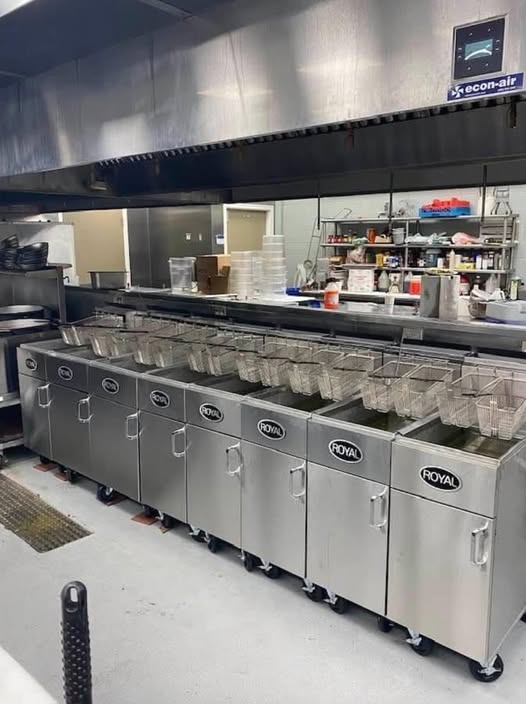

In the heart of every successful restaurant, hotel, or institutional cafeteria lies a complex engine of heat, steel, and precision. To the untrained eye, a kitchen is a place of chaotic energy, but to a seasoned chef, it is a finely tuned system where every second and every degree of temperature matters. The difference between a meal that is simply “good” and one that is truly exceptional often comes down to the quality of the professional kitchen equipment being used.
As the Canadian food service landscape evolves, the demand for speed, consistency, and energy efficiency has never been higher. Whether you are building a new commercial kitchen from the ground up or upgrading an existing line, understanding the technology behind your tools is the first step toward long-term profitability.
The Core Components of a High-Performance Kitchen
A professional kitchen is more than just a collection of appliances; it is a workflow designed to minimize movement and maximize output. To achieve this, several categories of equipment must work in perfect harmony.
1. High-Speed and Precision Cooking
In modern food service, the “long wait” is a thing of the past. Today’s chefs rely on high-speed ovens and precision ranges that can deliver consistent results in a fraction of the time required by traditional methods. This technology allows a kitchen to handle a sudden rush without compromising the internal temperature or texture of the food.
2. Specialized Preparation Tools
From heavy-duty mixers to precise food processors, the preparation stage is where the heavy lifting happens. Using commercial-grade tools ensures that ingredients are handled safely and uniformly, which is critical for portion control and cost management.
3. Food Holding and Warming
Cooking the food is only half the battle. Maintaining that food at the peak of freshness—without it drying out or becoming soggy—requires sophisticated holding cabinets and display warmers. This is especially vital for catering and high-volume buffet services.
Why Quality Matters: The Cost of “Saving” Money
It is a common pitfall for new operators to look for residential-grade appliances or low-end “economy” brands to save on startup costs. However, in a professional setting, this is almost always a mistake.
-
Durability: Commercial equipment is built with heavy-gauge stainless steel and reinforced components designed to run for 12 to 18 hours a day. Residential units will simply burn out under this pressure.
-
Consistency: Professional tools offer precise temperature control. In a business where a 5-degree difference can ruin a batch of delicate sauces or proteins, precision is your best friend.
-
Safety and Regulations: In Canada, commercial kitchens must adhere to strict health and fire safety codes. Using certified equipment ensures you stay compliant and avoid costly fines or closures.
The Strategic Role of Food Service Equipment Distributors
The process of outfitting a kitchen can be overwhelming. There are thousands of brands and even more technical specifications to consider. This is why the most successful restaurateurs don’t shop at big-box retailers; they form deep partnerships with specialized food service equipment distributors.
Expert Consultation and Workflow Design
A dedicated distributor does not just sell boxes. They act as consultants. They analyze your menu, your projected volume, and your physical square footage to suggest a layout that prevents “bottlenecks.” They help you decide between gas or electric, convection or microwave, and reach-in or walk-in cooling based on your specific needs.
Access to Specialized Brands
Top-tier distributors provide access to industry-leading brands like Celcook and Celcold. These brands are often engineered specifically for the Canadian market, taking into account local electrical standards and the need for energy-efficient performance in varying climates.
Post-Purchase Support and Maintenance
When a piece of equipment goes down during a Friday night rush, you don’t need a customer service hotline; you need a technician. Professional distributors maintain networks of authorized service providers and keep inventories of spare parts. This support minimizes downtime and protects your revenue.
Trends Shaping the Future of Professional Kitchens
As we move through 2026, several key trends are redefining how professional kitchens operate across Canada.
Sustainability and Energy Efficiency
With rising utility costs and a growing focus on environmental responsibility, energy-efficient equipment is no longer optional. Induction cooking, for example, is gaining massive popularity because it transfers heat directly to the cookware, keeping the kitchen cooler and reducing energy waste by up to 90%.
Ventless Cooking Technology
Real estate is expensive, and installing traditional ventilation hoods can cost tens of thousands of dollars. Ventless technology in high-speed ovens and fryers allows operators to set up shop in non-traditional spaces like kiosks, airports, and historic buildings where ductwork is impossible.
Automation and Smart Controls
Smart ovens now come with programmable menus that can be updated via Wi-Fi across multiple locations. This ensures that a sandwich made in Vancouver tastes exactly the same as one made in Toronto, regardless of the skill level of the staff member operating the machine.
Maintaining Your Investment
Even the best equipment will fail if it isn’t cared for. A proactive maintenance schedule is the best way to ensure your kitchen remains the heartbeat of your business.
-
Daily Deep Cleaning: Grease is the primary cause of equipment failure and kitchen fires. Wiping down surfaces and cleaning filters daily is essential.
-
Calibrations: Regularly check the thermostats on your ovens and fryers to ensure the digital reading matches the actual internal temperature.
-
Professional Inspections: Have a certified technician inspect your major appliances once or twice a year to catch small issues before they become catastrophic failures.
Conclusion: Investing in the Future
A professional kitchen is a massive investment, but when done correctly, it is one that pays dividends for decades. By selecting the right tools and working with the right experts, you create an environment where your culinary team can thrive and your guests can enjoy a superior dining experience.
Quality equipment reduces waste, increases speed, and ensures the safety of your customers. Whether you are looking for the latest in high-speed ovens or reliable refrigeration, the foundation of your success is built on the steel and technology of your kitchen.