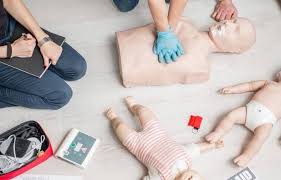

Children are naturally curious, energetic, and constantly exploring the world around them. While this sense of adventure is essential for growth and development, it also means accidents can happen in a matter of seconds. From minor scrapes to serious medical emergencies, childcare educators must be prepared to respond quickly and confidently. Having the right training is not just a professional requirement—it’s a responsibility that can make a life-saving difference.
Understanding the importance of first aid for childcare is critical for anyone working in early learning centres, family day care, or out-of-school-hours programs. Proper training ensures educators can act immediately, reduce the severity of injuries, and provide reassurance to children and parents alike.
Why First Aid Training Is Essential in Childcare
Childcare environments are unique. Young children may not be able to communicate symptoms clearly, and their smaller bodies can react differently to injuries and illnesses compared to adults. A simple fall can result in a head injury, a small object can become a choking hazard, and allergies may trigger severe reactions without warning.
First aid training equips educators to:
-
Respond calmly during emergencies
-
Assess the severity of injuries or illnesses
-
Apply immediate and appropriate care
-
Reduce panic among other children
-
Communicate effectively with emergency services
In many regions, certified first aid qualifications are also a regulatory requirement for childcare workers. Compliance ensures not only safety but also professionalism and trust within the community.
Common Emergencies in Childcare Settings
Childcare professionals face a variety of potential incidents every day. Understanding these risks helps educators stay alert and prepared.
1. Cuts, Scrapes, and Bruises
Active play often leads to minor injuries. Educators must know how to clean wounds, apply dressings, and monitor for signs of infection.
2. Choking Incidents
Young children frequently explore objects with their mouths. Quick recognition of choking signs and immediate response techniques are crucial.
3. Allergic Reactions
Food allergies and environmental triggers can cause mild reactions or severe anaphylaxis. Knowing how to use an adrenaline auto-injector and call for help is vital.
4. Asthma Attacks
Asthma is common among children. Educators should understand how to assist with inhalers and follow asthma action plans.
5. Head Injuries
Falls from playground equipment or accidental collisions can result in concussions. Recognising symptoms and knowing when to seek medical attention is essential.
Each of these situations requires confidence and competence—skills developed through specialised training.
Key Skills Covered in Childcare First Aid Training
Quality training programs focus specifically on risks associated with children. While general first aid is valuable, childcare-focused courses address age-specific needs.
Some core components include:
-
CPR for infants and children
-
Managing breathing emergencies
-
Treating burns and scalds
-
Handling fractures and sprains
-
Recognising signs of serious illness
-
Infection control and hygiene procedures
CPR training is particularly critical. In an emergency where a child stops breathing, immediate intervention within the first few minutes can significantly improve survival outcomes. Educators trained in cardiopulmonary resuscitation are prepared to take swift action before paramedics arrive.
Building Confidence and Reducing Panic
Emergencies can be overwhelming, especially when multiple children are present. Without proper preparation, panic can escalate quickly. First aid training builds confidence through practical scenarios and hands-on practice. When educators understand what steps to follow, they can remain calm, reassure children, and coordinate assistance efficiently.
This confidence also extends to communication. Parents expect transparency and competence when it comes to their child’s wellbeing. Being able to clearly explain what happened, what care was provided, and what follow-up steps are required fosters trust and professionalism.
Meeting Regulatory Requirements
In many countries and states, childcare providers must hold valid certifications in CPR, anaphylaxis management, and emergency first aid response. These requirements ensure consistent safety standards across early childhood services.
Training must also be updated regularly. Skills like CPR can fade over time without practice. Refresher courses keep educators aligned with the latest guidelines and best practices.
Registered training organisations such as Growth Training Group provide nationally recognised programs tailored to early childhood professionals. Choosing a reputable provider ensures that qualifications meet compliance standards while delivering practical, real-world skills.
Creating a Safer Learning Environment
First aid knowledge does more than prepare educators for emergencies—it promotes prevention. Trained professionals are more aware of potential hazards and can implement strategies to minimise risks.
For example:
-
Identifying unsafe play equipment
-
Monitoring children during meals to prevent choking
-
Recognising early signs of illness
-
Maintaining clean and hygienic environments
By combining prevention with preparedness, childcare centres create safer, more supportive spaces for children to thrive.
The Long-Term Impact of Proper Training
When educators are trained in first aid for childcare, the benefits extend beyond immediate emergency response. Children feel secure when adults respond calmly and confidently. Parents gain peace of mind knowing qualified professionals are caring for their child. Centres build strong reputations for safety and responsibility.
Additionally, staff morale improves when employees feel capable and supported. Confidence in handling emergencies reduces workplace stress and strengthens teamwork during critical moments.
In the long term, investing in high-quality training protects not only children but also educators and organisations from potential liability and reputational damage.
Conclusion
Working in childcare is both rewarding and demanding. Every day brings new opportunities for learning, laughter, and growth—but also the possibility of unexpected incidents. Being prepared is not optional; it is a fundamental part of professional responsibility.
Comprehensive first aid training equips educators with the knowledge, practical skills, and confidence needed to respond effectively in emergencies. From managing minor injuries to handling life-threatening situations, these skills save time, reduce harm, and potentially save lives.