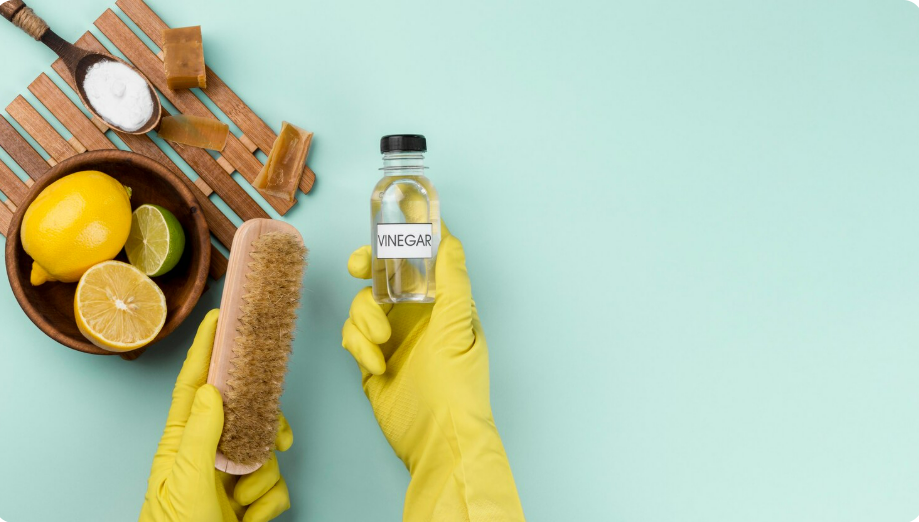

Indoor air quality has become one of the most critical determinants of overall health and well-being. We spend the majority of our time indoors—at home, at work, and in shared environments, where invisible pollutants accumulate silently. Eco-friendly ingredients offer a powerful, science-backed solution to reducing indoor air pollution while promoting healthier living spaces. By replacing conventional chemical-based products with natural alternatives, we significantly minimise airborne toxins, volatile organic compounds (VOCs), and respiratory irritants.
Understanding Indoor Air Pollution and Its Hidden Sources
Indoor air pollution stems from multiple everyday sources. Household cleaning agents, air fresheners, synthetic fragrances, paints, pressed wood furniture, carpets, and even conventional disinfectants release harmful chemicals into enclosed spaces. These substances emit volatile organic compounds (VOCs) such as formaldehyde, benzene, ammonia, and phthalates.
When these compounds evaporate into the air, they degrade indoor air quality and contribute to:
-
Respiratory irritation
-
Allergic reactions
-
Headaches and fatigue
-
Long-term health complications
-
Increased asthma triggers
We address this issue at its root by selecting eco-friendly ingredients designed to clean effectively without releasing harmful airborne toxins.
The Science Behind Eco-Friendly Ingredients
Eco-friendly ingredients are derived from plant-based, mineral, or biodegradable sources that break down safely without polluting indoor environments. Unlike synthetic chemicals, these ingredients do not off-gas toxic vapours. Instead, they maintain air purity while delivering powerful cleaning performance.
Natural components such as:
-
Plant-based surfactants
-
Citrus-derived solvents
-
Bicarbonate of soda
-
White vinegar
-
Essential oils with antimicrobial properties
work synergistically to remove dirt, grease, and bacteria without compromising air quality.
In recent years, demand for organic cleaning products in Australia has grown substantially as households seek safer alternatives that support both environmental sustainability and respiratory health. This shift reflects a broader awareness that indoor environments must be actively protected from chemical contamination.
How VOC-Free Formulations Improve Air Quality
The elimination of VOCs is one of the most impactful ways eco-friendly ingredients reduce indoor air pollution. Traditional cleaners often contain high concentrations of VOCs that linger in the air long after use. Even short-term exposure can irritate the eyes, nose, and throat.
By switching to VOC-free eco-friendly products, we:
-
Reduce chemical vapour concentration indoors
-
Prevent cumulative toxin buildup
-
Protect children, pets, and sensitive individuals
-
Maintain consistent indoor air freshness
Unlike synthetic fragrances that mask odours with artificial scent compounds, eco-friendly formulations neutralise odours at the molecular level without releasing secondary pollutants.
Plant-Based Surfactants: Effective Cleaning Without Toxic Residue
Surfactants are responsible for lifting dirt and grease from surfaces. Conventional surfactants are petroleum-based and contribute to chemical residue in indoor air. Eco-friendly alternatives use plant-derived surfactants extracted from coconut or corn.
These biodegradable compounds:
-
Break down safely after use
-
Leave no harmful airborne residue
-
Maintain low toxicity levels
-
Support sustainable manufacturing processes
We gain superior cleaning performance without compromising indoor air purity.
Essential Oils as Natural Antimicrobial Agents
Essential oils such as tea tree, eucalyptus, lavender, and lemon possess inherent antimicrobial properties. When incorporated into eco-friendly cleaning products, they eliminate bacteria and fungi without synthetic disinfectants.
Unlike harsh chemical sanitisers that release strong fumes, essential oils:
-
Offer natural antibacterial benefits
-
Improve indoor scent naturally
-
Avoid synthetic fragrance allergens
-
Support respiratory comfort
Their volatile components dissipate quickly without contributing to long-term air contamination.
Reducing Chemical Build-Up on Indoor Surfaces
Chemical cleaners often leave residues that continue to release airborne toxins long after application. Over time, this accumulation worsens indoor air pollution.
Eco-friendly ingredients are designed to:
-
Rinse cleanly from surfaces
-
Avoid sticky or film-forming residues
-
Break down naturally
-
Prevent cumulative air contamination
By eliminating persistent chemical layers, we maintain cleaner air with each cleaning cycle.
Improving Indoor Air in Sensitive Environments
Children, elderly individuals, and individuals with asthma or allergies are especially vulnerable to indoor air pollutants. Harsh cleaning chemicals can trigger respiratory distress even at low exposure levels.
Eco-friendly cleaning practices support:
-
Reduced asthma triggers
-
Lower allergen exposure
-
Safer nursery and childcare environments
-
Improved workplace air quality
By adopting eco-conscious ingredients, we create safer living spaces that actively protect respiratory health.
Eco-Friendly Ingredients and Sustainable Indoor Living
Indoor air pollution is closely connected to broader environmental health. Synthetic chemicals contribute to both indoor contamination and external environmental degradation. Eco-friendly ingredients align indoor air improvement with sustainable living principles.
Benefits include:
-
Biodegradable formulations
-
Reduced chemical waste
-
Lower carbon manufacturing impact
-
Ethical sourcing practices
When we choose sustainable cleaning solutions, we simultaneously enhance indoor air quality and reduce ecological harm.
The Role of Natural Deodorisers in Air Purification
Many conventional air fresheners simply mask odours with synthetic perfumes that contain phthalates and other endocrine-disrupting compounds. These chemicals linger in the air and degrade air quality.
Natural deodorisers such as:
-
Activated charcoal
-
Baking soda
-
Citrus extracts
-
Botanical oils
neutralise odours by absorbing or chemically neutralising the source molecules. This results in genuinely cleaner air rather than artificially scented air.
Minimising Off-Gassing from Household Products
Off-gassing refers to the release of chemicals into the air over time. Many conventional cleaning products and treated surfaces emit fumes continuously after application.
Eco-friendly ingredients are formulated to:
-
Avoid synthetic stabilisers
-
Exclude artificial preservatives
-
Reduce chemical volatility
-
Limit long-term emission of pollutants
This dramatically reduces indoor pollutant concentration over extended periods.
Enhancing Ventilation Efficiency Through Chemical Reduction
Ventilation systems circulate indoor air. When chemical pollutants are present, ventilation distributes them throughout the entire space. By reducing pollutant sources at the cleaning level, we improve overall ventilation effectiveness.
With eco-friendly ingredients:
-
Air systems circulate cleaner air
-
Filter strain decreases
-
Indoor air stabilises more rapidly
-
Long-term air quality improves
This preventative approach delivers measurable improvements in indoor environmental health.
Cost-Effective Long-Term Air Quality Management
Eco-friendly cleaning ingredients are not only beneficial for health but also cost-effective over time. Reduced health complications, fewer allergic reactions, and decreased reliance on air purifiers translate into long-term savings.
We also reduce:
-
Medical expenses linked to respiratory irritation
-
Frequent product replacement
-
Excessive fragrance masking products
-
Chemical dependency in routine cleaning
Sustainable cleaning becomes both a health investment and a financial strategy.
Building Healthier Homes with Eco-Friendly Ingredients
A healthy home environment is built on consistent, informed choices. Every cleaning product introduced indoors contributes to the overall air profile. By deliberately selecting eco-friendly ingredients, we create spaces that promote wellbeing rather than undermine it.
Our approach prioritises:
-
Non-toxic surface cleaners
-
Fragrance-free or naturally scented options
-
Transparent ingredient labelling
-
Sustainable packaging
These deliberate choices collectively transform indoor air quality.
Conclusion: Clean Air Begins with Conscious Ingredients
Indoor air pollution is largely preventable when we eliminate chemical sources at their origin. Eco-friendly ingredients offer a direct, effective pathway to healthier indoor environments by removing VOCs, reducing toxic residues, and preventing off-gassing.
Through plant-based surfactants, natural antimicrobial agents, and biodegradable formulations, we protect respiratory health while maintaining exceptional cleaning performance. Sustainable cleaning is not merely an environmental trend; it is a proactive strategy for improving indoor air purity and overall quality of life.