
Start With Entry and Access
The front door sets the tone for how accessible a home truly is. Steps, narrow walkways, and heavy doors can become obstacles over time.
Simple improvements include:
-
Installing a no-step entry or subtle ramp
-
Widening doorways to accommodate walkers or wheelchairs
-
Choosing lever-style door handles instead of knobs
-
Improving exterior lighting for visibility
I once visited a home where a small threshold lip at the entry had caused repeated trips. Replacing it with a flush transition solved the issue immediately. It was a minor fix, but it had a meaningful impact.
A personal observation
A common mistake I see is waiting too long to make adjustments. Many homeowners assume accessibility changes are only necessary after a major health event. In reality, subtle upgrades done early feel natural and prevent rushed decisions later.
Rethink Flooring for Safety and Comfort
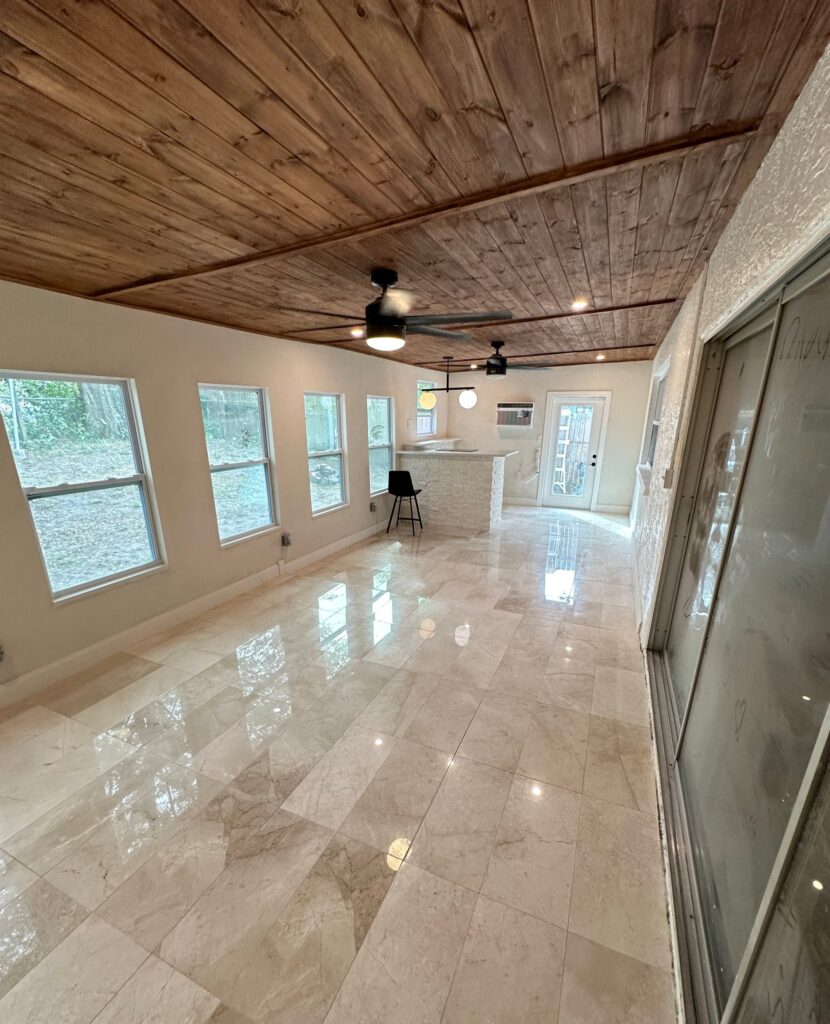
Flooring plays a larger role in aging in place than many realize. Slippery surfaces, thick rugs, or uneven transitions can create hazards.
Safer flooring choices typically include:
-
Slip-resistant materials
-
Low-pile or no carpet in high-traffic areas
-
Minimal height transitions between rooms
-
Matte finishes rather than glossy ones
Durability and moisture resistance also matter, particularly in kitchens and bathrooms. This is often emphasized in renovation planning discussions, including guides such as waterproof flooring plant city, where long-term safety and maintenance are central considerations.
Insider tip: secure all area rugs with non-slip pads or remove them entirely in main walkways. Even decorative rugs can become trip hazards over time.
Improve Bathroom Accessibility
Bathrooms are one of the most important areas to address when planning for aging in place. Small changes here can significantly increase safety and independence.
Effective bathroom upgrades include:
-
Installing grab bars in showers and near toilets
-
Choosing curbless or low-threshold showers
-
Adding handheld showerheads
-
Using non-slip tile or textured flooring
I’ve seen beautifully designed bathrooms incorporate grab bars that double as towel bars. When planned carefully, these features blend seamlessly with the overall design.
Insider tip: reinforce bathroom walls during renovation so future grab bars can be added securely without reopening walls.
Kitchen Modifications That Preserve Independence
Kitchens are high-use areas and deserve thoughtful adjustments. Aging-in-place kitchen design focuses on reach, stability, and lighting.
Helpful changes include:
-
Pull-out shelves instead of deep cabinets
-
D-shaped or bar-style handles for easier grip
-
Lowered or varied-height countertops
-
Improved task lighting under cabinets
A small but impactful adjustment is relocating frequently used items to waist-level storage. Reducing the need to reach overhead or bend down can prevent strain.
Smart Lighting for Better Visibility
As eyesight changes, lighting becomes even more important. Shadows and dim areas can make navigation difficult.
Consider adding:
-
Brighter ambient lighting in hallways
-
Motion-activated nightlights
-
Under-cabinet and stair lighting
-
Rocker-style light switches
Even something as simple as increasing bulb brightness in stairwells can improve confidence moving through the home.
Create Main-Level Living Options
One of the most practical aging-in-place strategies is reducing the need to use stairs daily. If possible, incorporate essential living functions on the main floor.
This may include:
-
A primary bedroom on the first level
-
A full bathroom accessible without stairs
-
Laundry relocated to the main floor
When full relocation isn’t possible, stair modifications such as sturdy handrails on both sides can provide added support.
Improve Hardware and Controls
Small hardware changes can significantly improve usability. Arthritis or reduced grip strength makes traditional knobs difficult to manage.
Practical updates include:
-
Lever-style faucets
-
Single-handle shower controls
-
Easy-turn appliance knobs
-
Touchless or sensor faucets
These upgrades are subtle but make daily tasks smoother.
Think About Future Mobility Needs
Even if mobility is currently strong, planning for future scenarios adds flexibility.
Forward-thinking ideas include:
-
Wider hallways during remodels
-
Reinforced framing for potential stair lifts
-
Space allocation for future ramps or lifts
-
Blocking in walls for later support bar installation
These preparations often go unnoticed visually but make future modifications easier and less invasive.
Make Transitions Smooth and Safe
Transitions between flooring materials are often overlooked. Raised thresholds can become stumbling points over time.
Aim for:
-
Flush transitions between rooms
-
Gradual changes rather than abrupt steps
-
Clear visual contrast where level changes are unavoidable
I’ve seen subtle color changes used effectively to signal transitions without creating confusion.
Incorporate Comfort Alongside Safety
Aging in place should still feel comfortable and welcoming. Design elements can remain stylish while supporting functionality.
Consider:
-
Softer seating with firm support
-
Well-placed handrails that complement décor
-
Open layouts that reduce obstacles
-
Calm, neutral color palettes for better visual clarity
A home designed for aging in place does not need to look modified. In fact, when done thoughtfully, the upgrades feel like natural improvements anyone would appreciate.
Plan Holistically, Not Reactively
The most effective aging-in-place renovations take a holistic view. Instead of focusing on one isolated upgrade, consider how lighting, flooring, storage, and layout work together.
Small coordinated changes often outperform large single modifications.
For example, improving lighting in a hallway while also smoothing floor transitions and widening doorways creates a safer pathway than addressing just one of those elements alone.
A Thoughtful Wrap-Up
Home renovation ideas for aging in place center on dignity, independence, and long-term comfort. The goal isn’t to anticipate every possible future need but to create a home that adapts gracefully over time.
Also read for more information so click here.