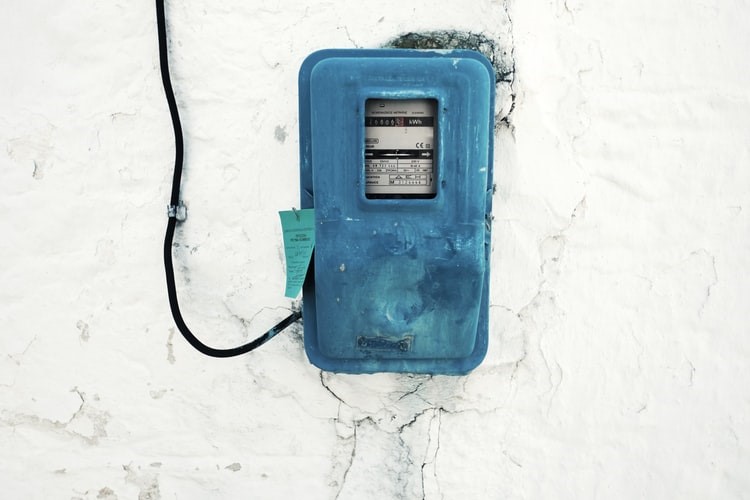

Energy costs in Toronto continue to rise. For landlords and property managers, utilities are often one of the largest operating expenses. Traditional bulk metering splits utility costs evenly — but that’s rarely fair or efficient.
That’s where commercial submetering comes in.
Submetering allows individual tenants or units to be billed based on actual energy consumption. It promotes transparency, accountability, and smarter usage.
What Is Commercial Submetering?
Commercial submetering is the installation of individual meters within a building to measure electricity usage for specific units or tenants.
Instead of one main meter for the entire property, each tenant’s usage is tracked separately.
This system is commonly used in:
-
Condominiums
-
Apartment buildings
-
Office spaces
-
Retail plazas
-
Industrial warehouses
In Toronto’s multi-tenant buildings, submetering ensures tenants only pay for what they use.
Why Toronto Property Owners Are Choosing Submetering
1. Fair Billing
Tenants pay based on their own consumption — not shared averages.
2. Lower Overall Consumption
When tenants see their own usage, they naturally reduce waste.
3. Increased Property Value
Buildings with submetering systems are more attractive to investors and buyers.
4. Regulatory Compliance
Toronto and Ontario energy regulations increasingly support energy transparency.
What Is Retrofit Submetering?
Not all buildings are designed with individual meters. That’s where retrofit submetering comes in.
Retrofit submetering involves installing submeters into existing buildings without completely redesigning the electrical system.
This process requires:
-
Detailed electrical assessment
-
Panel upgrades (if necessary)
-
Safe meter installation
-
Testing and calibration
In older Toronto buildings, retrofit projects must be carefully planned to avoid disruptions and code violations.
Role of a Metering Electrician
A qualified metering electrician plays a critical role in submetering projects.
They are responsible for:
-
Evaluating the existing electrical infrastructure
-
Determining panel capacity
-
Installing submeters safely
-
Ensuring ESA (Electrical Safety Authority) compliance
-
Testing and verifying meter accuracy
Submetering is not a DIY project. Incorrect installation can result in inaccurate readings, safety risks, and legal issues.
Always hire a licensed electrician familiar with Toronto’s electrical code.
Importance of Electrical Test Meters
Accurate measurement is the foundation of submetering.
Professional electricians use advanced electrical test meters to:
-
Verify voltage levels
-
Measure current flow
-
Detect wiring issues
-
Confirm load distribution
-
Ensure accurate meter calibration
Using reliable testing tools ensures the system operates safely and delivers precise billing data.
Without proper testing, submetering systems can cause disputes and compliance issues.
How the Submetering Installation Process Works
Here’s a simplified overview of what to expect:
Step 1: Site Inspection
A metering electrician inspects panels, wiring, and building layout.
Step 2: Load Assessment
Electrical loads are evaluated to ensure safe distribution.
Step 3: Equipment Selection
Appropriate submeters and hardware are chosen.
Step 4: Installation
Meters are installed within electrical panels or designated meter rooms.
Step 5: Testing & Calibration
Electrical test meters verify accuracy and safety.
Step 6: Final Approval
Inspection and compliance verification are completed.
Common Challenges in Retrofit Submetering
Toronto’s older buildings can present challenges such as:
-
Limited panel space
-
Outdated wiring
-
Insufficient load capacity
-
Tight mechanical rooms
An experienced electrician can design solutions without major structural disruption.
Who Benefits Most from Commercial Submetering?
Submetering works particularly well for:
-
Condo corporations
-
Property management companies
-
Retail plaza owners
-
Industrial facility managers
-
Mixed-use developments
It shifts energy responsibility directly to tenants, reducing owner overhead.
Cost Considerations in Toronto
The cost of retrofit submetering depends on:
-
Number of units
-
Electrical panel configuration
-
Building age
-
Equipment type
-
Installation complexity
While the upfront cost varies, long-term savings often outweigh the investment through reduced utility waste and fair billing.
Compliance and Safety in Ontario
All electrical work in Toronto must comply with:
-
Ontario Electrical Safety Code
-
ESA requirements
-
Local building regulations
Hiring a licensed professional ensures your commercial submetering system meets all safety standards.
Why Professional Installation Matters
Improper installations can lead to:
-
Electrical hazards
-
Meter inaccuracies
-
Tenant billing disputes
-
Inspection failures
-
Legal liability
Working with a qualified metering electrician protects both property owners and tenants.
FAQs About Commercial Submetering in Toronto
Q1: Is submetering legal in Toronto?
Yes, submetering is legal and widely used in Ontario, provided it complies with local regulations.
Q2: How long does retrofit submetering take?
Project timelines depend on building size but typically range from a few days to a few weeks.
Q3: Can older buildings support retrofit submetering?
Most can, but they may require panel upgrades or electrical modifications.
Q4: How accurate are submeters?
When installed and tested correctly using professional electrical test meters, they are highly accurate.
Q5: Does submetering reduce electricity costs?
It reduces waste and promotes responsible consumption, often lowering overall building usage.
Q6: Do I need a licensed electrician for installation?
Yes. Submetering must be installed by a qualified professional to meet safety and compliance standards.
Final Thoughts
Energy management is no longer optional for Toronto property owners. Commercial submetering and retrofit submetering offer a practical solution for fair billing, energy transparency, and long-term cost control.
Working with a skilled metering electrician who uses professional electrical test meters ensures safe installation, accurate measurement, and compliance with Ontario regulations.
If you’re planning to upgrade your building’s energy management system, consult a trusted certified electrician toronto to ensure your project is completed safely and correctly.