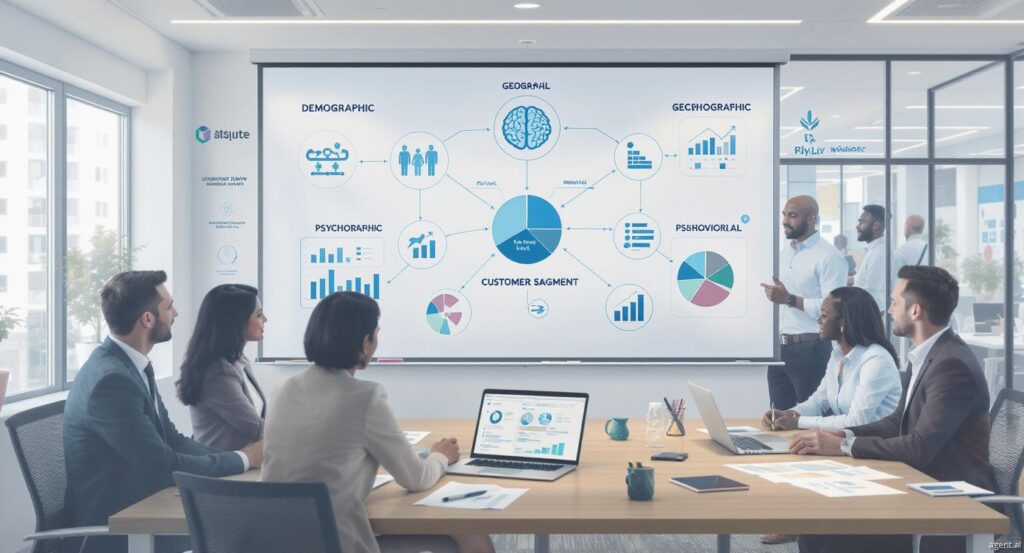

In the modern marketing landscape, understanding your customers is essential to creating effective campaigns. Audience Segmentation helps businesses categorize their audience into meaningful groups, allowing for targeted communication, improved engagement, and increased conversion rates. By following a structured, step-by-step approach, businesses can ensure their segmentation strategies deliver measurable results.
Why Segmentation is Critical for Modern Businesses
Generic marketing approaches often result in wasted resources and low engagement. Today’s customers expect personalized interactions, relevant content, and tailored offers. Audience segmentation allows businesses to identify the most valuable segments, prioritize marketing efforts, and deliver messages that resonate. It also provides insights that inform product development, promotional strategies, and long-term growth planning.
Segmentation transforms data into actionable strategies, making campaigns more efficient and impactful.
Step 1: Collect Relevant Customer Data
The first step in segmentation is gathering comprehensive data about your audience. This includes:
-
Demographic information such as age, gender, income, and occupation
-
Geographic details including city, region, and climate preferences
-
Behavioral data such as purchase history, engagement with campaigns, and brand loyalty
-
Psychographic insights like lifestyle, values, and interests
-
Technographic details covering device usage, preferred platforms, and technology adoption
Accurate data ensures that your segments reflect real customer behaviors and needs.
Step 2: Identify Patterns and Segment Groups
Once data is collected, analyze it to identify patterns and similarities. Group customers based on shared characteristics or behaviors that are relevant to your business objectives. For example, frequent online shoppers can form one segment, while occasional buyers form another. Clear segmentation allows for more precise targeting and campaign customization.
Step 3: Create Detailed Segment Profiles
For each segment, create detailed profiles that outline their characteristics, preferences, and behaviors. These profiles serve as a guide for marketers, ensuring campaigns are designed with the audience’s needs in mind. Include information such as:
-
Typical customer demographics
-
Interests and lifestyle
-
Purchase motivations and pain points
-
Preferred communication channels
Detailed profiles make it easier to deliver targeted content that resonates with each group.
Step 4: Develop Targeted Marketing Strategies
With well-defined segments, design marketing campaigns tailored to each group. This can include:
-
Personalized email campaigns with product recommendations
-
Social media content targeting specific interests or behaviors
-
Promotions and discounts aimed at high-value or inactive customers
-
Website experiences optimized for different segments
Targeted strategies increase relevance, engagement, and conversion rates.
Step 5: Implement and Monitor Campaigns
After launching segmented campaigns, track performance metrics for each segment. Monitor engagement rates, click-through rates, conversions, and ROI. Segment-specific analysis helps identify which strategies are working and which require adjustment. This step ensures that campaigns remain effective and continuously optimized.
Step 6: Refine Segments Over Time
Customer behavior evolves, and so should your segmentation strategy. Regularly review data, track trends, and update segments to reflect changes in the market or audience preferences. Continuous refinement ensures that marketing efforts remain relevant and impactful.
Important Information About Step-by-Step Audience Segmentation
Audience segmentation is a strategic process that transforms customer data into actionable marketing strategies. By following a step-by-step approach—collecting data, identifying patterns, creating profiles, developing targeted campaigns, monitoring results, and refining segments—businesses can enhance engagement, improve conversion rates, and achieve measurable ROI. Modern businesses that adopt this structured approach are better positioned to deliver personalized experiences, optimize marketing resources, and maintain a competitive edge in an evolving marketplace.
Audience segmentation has become one of the most important foundations of modern marketing because it helps brands communicate with clarity and purpose. When companies understand their audience at a deeper level, they can tailor messages that resonate with precision. The growing interest in audience segmentation key types and marketing best practices reflects a broader shift happening across industries as digital acceleration unlocks new layers of customer behavior. As these changes unfold, many organizations are turning to technology insights to refine their segmentation frameworks and build stronger long-term connections with consumers.
At BusinessInfoPro, we empower entrepreneurs, small businesses, and professionals with actionable insights, strategies, and tools to fuel growth. By simplifying complex ideas in business, marketing, and operations, we help you turn challenges into opportunities and navigate today’s dynamic market with confidence. Your success is our mission because when you grow, we grow.