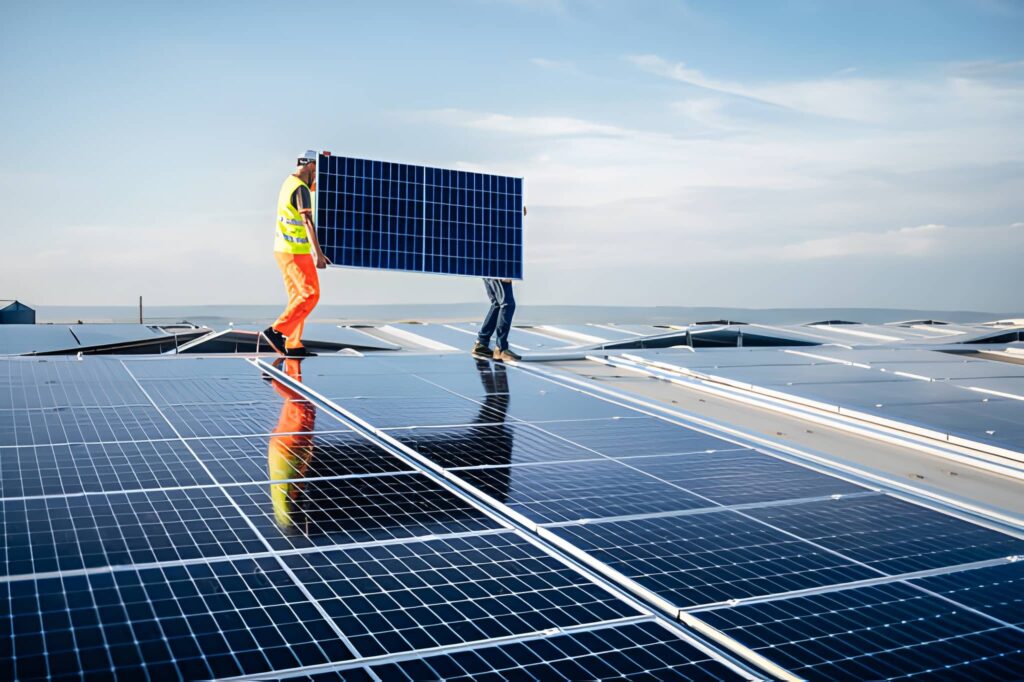

Solar power is the most attractive investment for homeowners, who are concern about the raise in the cost of electricity across Australia. It’s a smart and overwhelming decision to navigate the process of choosing the right system, if you consider solar panel installation on your property. This comprehensive guide mentions everything you need to know about selecting the best solar panels for your home.
Understanding Solar Power for Your Home
It’s essential to understand what solar power is and how it works in an Australian context, before discussion moves forward about buying the best solar panel. It converts sunlight into electricity, either directly through photovoltaic (PV) technology or indirectly through concentrated solar power. Photovoltaic panels are the standard choice, for most Australian residential properties.
Regional areas in Australia are well-suited for solar installations due to abundant sunshine and extended daylight hours. The Australian government recognises this advantage and offers various incentives, including Small-scale Technology Certificates (STCs), which can reduce your upfront costs.
How to Choose Solar Panels: Key Factors to Consider
The first step in choosing solar panels is determining the amount of energy your household consumes. Review your electricity bills from the past year to identify your average daily usage.
An Australian household uses between 15 and 30 kWh per day, depending on climate, appliance efficiency, and lifestyle factors. Homes in warmer climates with air conditioning may require larger systems than those in cooler regions. Colder regions might manage with smaller installations.
What Are the Best Solar Panels in Australia?
When researching about the best solar panels in Australia, you will discover several reputable brands dominating the market. Quality is paramount, cheaper panels underperform and may not last as long.
Premium Tier Panels
Brands like LG, SunPower, and Panasonic manufacture premium panels with efficiency ratings above 20 percent. These panels have excellent warranties of about 25 years and produce more electricity per square metre than standard options. They’re ideal if you have limited roof space or want maximum long-term returns.
Mid-Range Options
Brands including Canadian Solar, LONGi, and JinkoSolar offer excellent value for most Australian households. These panels feature 18–20 percent efficiency ratings and competitive warranty terms.
Budget-Friendly Choices
Whilst cheaper panels may seem attractive, the Australian Competition and Consumer Commission (ACCC) advises caution. Ensure any panel you choose meets Australian Standards (AS/NZS 4509:2018 and IEC 61730).
Selecting the Right Solar System Size
Your system’s capacity, measured in kilowatts (kW), should align with your energy consumption. A 6.6 kW system is popular in Australia because it fits neatly within the standard small-scale solar threshold for government rebates. Your ideal system size depends on your specific circumstances.
Several factors influence the appropriate size:
Roof Space and Orientation: North-facing roofs generate the most electricity in the Southern Hemisphere. Calculate whether your roof can accommodate the number of panels needed. A residential panel requires 1.6 square metres of space.
Budget Constraints: Larger systems cost more upfront but generate greater long-term savings. Consider your available budget and expected payback period.
Future Plans: If you’re planning to install an electric vehicle or add battery storage, you might want a slightly larger system to accommodate future needs.
Choosing Solar Panels: Efficiency and Performance Ratings
Panel efficiency indicates how much sunlight converts to usable electricity. A limited roof space requires higher efficiency panels to generate more power in the same space. Efficiency alone doesn’t determine the best choice,durability and warranty matter equally.
Look for panels with:
- High efficiency ratings – 18 percent or above for modern panels.
- Strong temperature coefficients (how much efficiency drops in Australian heat)
- Comprehensive warranties (25-year product warranties are standard for quality panels)
- Independent testing certifications from organisations like the Clean Energy Council
Installation and Professional Assessment
You cannot choose solar panels effectively without a professional solar installer assessment. Reputable installers will conduct a site survey, analyse your roof structure, assess shading from trees or buildings, and design a system tailored to your specific property.
When obtaining quotes, ensure installers are accredited by the Clean Energy Council and hold appropriate electrical qualifications. The installer’s reputation matters as much as the equipment quality, poor installation can compromise performance and void warranties.
Government Incentives and Rebates
Australia’s solar incentive scheme includes STCs, which reduce your system cost by thousands of dollars. The number of certificates depends on your location’s solar intensity and system size. As of 2026, a 6.6 kW system in most Australian locations generates significant rebate value.
Additionally, some states offer:
- Interest-free loans for solar installations
- Accelerated depreciation for business installations
- Feed-in tariffs for excess electricity exported to the grid
Your installer should help navigate these incentives, though it’s worth researching your local council’s specific schemes.
Battery Storage Considerations
Australian homeowners combine solar panels with battery storage systems. Batteries store excess daytime energy for evening use, maximising your self-consumption rate. Lithium-ion batteries like Tesla Powerwall, LG Chem, and Solarbank are popular choices, though they represent a significant additional investment.
Consider battery storage if you:
- Want maximum energy independence
- Have high evening electricity usage
- Live in an area with expensive peak-hour tariffs
- Wish to prepare for potential grid outages
Maintenance and Long-Term Performance
Quality solar panels require minimal maintenance like occasional cleaning to remove dust and debris. Australian weather conditions, including high heat and occasional hail, are factored into modern panel design.
Choose panels from manufacturers that will likely remain in business for 25 years, as warranty claims rely on company stability. Established brands with long track records provide greater security.
Making Your Final Decision
To summarise how to buy the best solar panels for your home:
- Calculate your energy needs from past electricity bills
- Research reputable brands and understand what are the best solar panels in Australia for your budget
- Obtain quotes from multiple Clean Energy Council-accredited installers
- Compare system sizes, panel quality, warranties, and total costs
- Understand available government rebates and incentives
- Consider future additions like battery storage or electric vehicles
- Choose an installer with excellent references and local experience
Conclusion
It is the smartest decision for Australian homeowners to invest in solar panels. You can refer and follow this guide to choose the best solar panels. Take your time to research a suitable system that delivers reliable energy and strong financial returns for decades. The combination of Australia’s excellent solar conditions, generous government incentives, and continually improving technology makes this an ideal time to transition to solar power for your home.