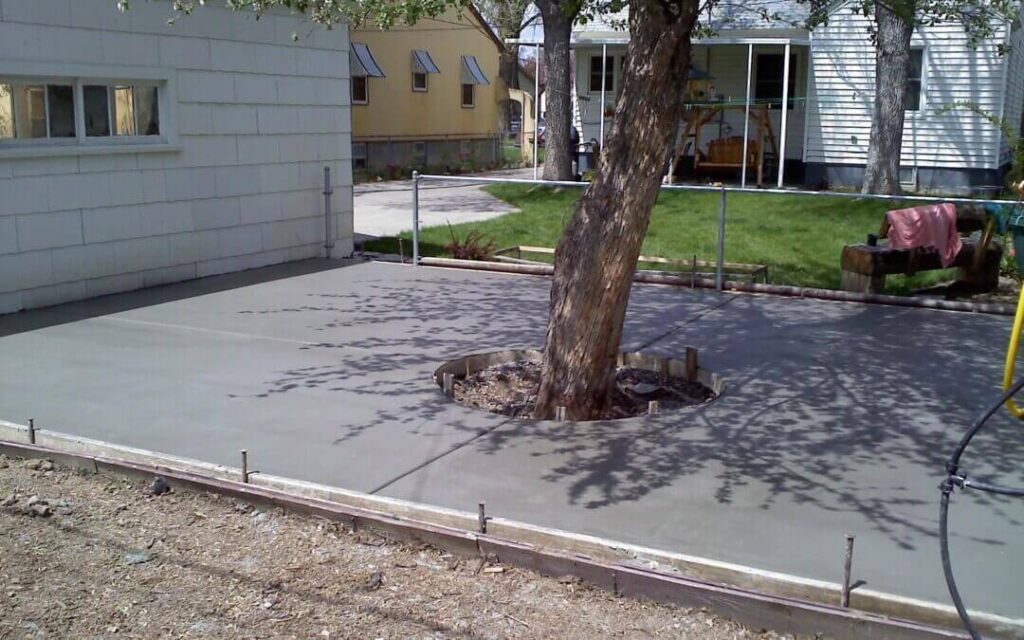

Understanding the Appeal of a Do It Yourself Concrete Patio
A do it yourself concrete patio is one of the most popular outdoor improvement projects for homeowners who want to enhance their backyard without spending a fortune. Concrete is strong, affordable, and versatile, making it a smart option for patios, walkways, and outdoor sitting areas. Many property owners consider taking this project into their own hands to save on labor costs and gain a sense of accomplishment. However, before starting, it is important to understand the planning, preparation, and technical knowledge required to achieve professional results. At Promaster Maintenance Corp Paving and Masonry, we have seen both successful DIY projects and costly repairs caused by improper installation, which is why proper guidance is essential.
Planning Your Patio the Right Way
The first step in building a durable and attractive patio is proper planning. You need to determine the size, shape, and purpose of the space. Consider how you plan to use the patio, whether for outdoor dining, relaxing, or entertaining guests. Measuring the area accurately and marking the layout with stakes and string helps ensure clean lines and correct dimensions. It is also important to check local building codes and regulations before starting excavation. Soil condition plays a major role in the longevity of concrete surfaces. If the ground is not properly compacted, the slab may crack or shift over time. Careful preparation at this stage prevents expensive problems later.
Preparing the Base for Long Lasting Results
A strong foundation is the key to a successful do it yourself concrete patio. After excavating the area to the proper depth, a layer of gravel or crushed stone should be added and compacted thoroughly. This base supports the concrete and improves drainage, reducing the risk of cracks caused by water buildup. Installing wooden forms around the perimeter keeps the concrete contained and ensures straight edges. Reinforcement such as wire mesh or rebar can add extra strength, especially for larger patios. Skipping these steps may save time initially, but it often leads to uneven surfaces and structural issues in the future.
Mixing and Pouring Concrete Correctly
Pouring concrete requires careful timing and coordination. Once mixed, concrete begins to set quickly, so having all tools ready is crucial. Spread the concrete evenly within the forms and use a screed board to level the surface. Removing air pockets by tapping the forms and smoothing the top with a float creates a more polished appearance. Weather conditions also matter. Extremely hot or cold temperatures can affect curing time and overall durability. Lightly misting the surface during curing helps prevent rapid drying and surface cracks. While many homeowners attempt a do it yourself concrete patio, professional techniques can make a noticeable difference in the final outcome.
Finishing Touches That Enhance Appearance
After the concrete is leveled and partially set, finishing techniques can add style and texture. A broom finish provides slip resistance, making it ideal for outdoor areas exposed to rain. Decorative stamping or staining can create the look of natural stone or brick at a lower cost. Control joints should be added to allow for expansion and contraction, reducing the chance of random cracking. Proper curing over several days ensures the slab gains maximum strength. Rushing this process can weaken the structure and shorten the lifespan of the patio.
Comparing Concrete Patios and Paver Patios
While many homeowners start with a do it yourself concrete patio in mind, others explore how to install a paver patio as an alternative. Pavers offer design flexibility and are easier to repair because individual units can be replaced without removing the entire surface. However, paver installation also requires careful base preparation and precise leveling. Concrete, on the other hand, creates a seamless surface that may require less maintenance in the short term. The right choice depends on your budget, style preference, and long term maintenance goals.
Maintaining Your Outdoor Surfaces
Once your patio is complete, ongoing maintenance keeps it looking its best. Sealing concrete protects it from moisture, stains, and freeze thaw damage. Regular cleaning prevents mold and discoloration. If cracks appear, understanding How to Fix Driveway Cracks can help you apply similar repair techniques to your patio. Small cracks can often be filled with concrete patching compounds, while larger structural issues may require professional evaluation. Taking care of minor damage early prevents it from spreading and becoming more expensive to repair.
Expanding Your Knowledge About Driveways
Outdoor improvement projects often go beyond patios. Homeowners frequently ask about How to Install a Gravel Driveway as a cost effective solution for rural or large properties. Gravel driveways require proper grading and edging to prevent shifting and erosion. Others want to understand what are asphalt surfaces and how they compare to concrete. Asphalt is flexible and performs well in colder climates, but it requires periodic sealing. Each material has unique benefits, and selecting the right one depends on usage, climate, and budget.
Common Mistakes to Avoid During Installation
One of the biggest mistakes in a do it yourself concrete patio project is underestimating the importance of site preparation. Poor compaction, incorrect concrete thickness, and ignoring drainage slopes can lead to pooling water and surface cracks. Another common issue is failing to calculate the correct amount of concrete, resulting in cold joints where separate batches meet. Inadequate curing time is also a frequent problem that weakens the slab. Learning from experienced contractors or consulting professionals before starting can help you avoid these errors.
When to Consider Professional Assistance
While a do it yourself concrete patio can be rewarding, not every project is suitable for DIY installation. Large patios, complex shapes, decorative finishes, or properties with unstable soil may require specialized equipment and expertise. Professional contractors have the tools, training, and experience to ensure proper grading, reinforcement, and finishing. At Promaster Maintenance Corp Paving and Masonry, we assist homeowners across New York with high quality patio, driveway, and masonry services. Whether you choose to complete the project yourself or hire experts, making informed decisions will protect your investment.
Final Thoughts on Building the Perfect Patio
Creating an outdoor living space adds value, comfort, and beauty to your home. A do it yourself concrete patio offers an affordable way to upgrade your backyard when done correctly. Careful planning, proper base preparation, correct pouring techniques, and ongoing maintenance are essential for long lasting performance. Exploring related improvements such as how to install a paver patio, understanding How to Fix Driveway Cracks, learning How to Install a Gravel Driveway, and knowing what are asphalt materials can help you make smarter decisions for your entire property. By taking the time to research and prepare, you can enjoy a durable and attractive patio that enhances your outdoor lifestyle for years to come.