
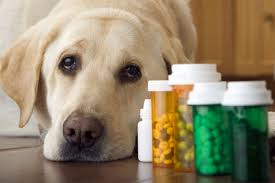

Skin infections are a common health issue in dogs and can cause discomfort, itching, and even more serious health problems if left untreated. Veterinarians often prescribe dog skin infection medicine tablet to combat bacterial, fungal, or secondary infections and promote faster healing. Understanding how these medications work, how to administer them safely, and how to support your dog’s recovery is essential for responsible pet care. This guide provides a comprehensive overview for pet owners.
1. Understanding Skin Infections in Dogs
Skin infections, also known as pyoderma, occur when bacteria, fungi, or parasites invade the skin, leading to inflammation, redness, and discomfort. Common causes include:
-
Allergies to food or environmental triggers
-
Fleas, ticks, or mites
-
Injuries or scratches that become infected
-
Underlying conditions such as hypothyroidism or hormonal imbalances
-
Poor hygiene or excessive moisture
Symptoms of skin infections in dogs often include:
-
Red, inflamed, or scaly patches of skin
-
Itching, scratching, or licking affected areas
-
Hair loss or bald patches
-
Pus-filled sores or scabs
-
Foul odor from infected areas
Early recognition and treatment are crucial to prevent the infection from spreading or becoming chronic.
2. What Are Dog Skin Infection Medicine Tablets?
Dog skin infection medicine tablets are oral medications prescribed to treat bacterial or fungal infections affecting the skin. Unlike topical ointments or sprays, tablets work systemically, reaching the bloodstream to target infection throughout the body.
Common types of tablets include:
-
Antibiotic tablets – Used to treat bacterial infections (e.g., amoxicillin, cephalexin, clindamycin)
-
Antifungal tablets – Prescribed for fungal infections like yeast overgrowth (e.g., ketoconazole, itraconazole)
-
Combination therapy – In some cases, veterinarians may prescribe both antibiotic and antifungal tablets
The choice of medication depends on the infection’s type, severity, and your dog’s overall health.
3. How to Administer Medicine Tablets Safely
Administering dog skin infection medicine tablets properly is essential for effective treatment. Follow these steps:
-
Follow the prescribed dosage: Only give the amount and frequency recommended by your veterinarian.
-
Complete the full course: Even if the skin appears healed, stopping early can allow bacteria or fungi to survive and cause recurrence.
-
Give with food if necessary: Some tablets may irritate the stomach if taken on an empty stomach.
-
Use pill pockets or treats: If your dog resists swallowing tablets, hide them in a treat or crush them (only if approved by your vet).
Never give human medications to dogs, as this can be toxic or ineffective.
4. Supporting Skin Healing at Home
Alongside medication, proper care at home supports faster healing and comfort for your dog:
-
Clean affected areas with a vet-recommended antiseptic or medicated wash
-
Prevent licking or scratching using an Elizabethan collar or protective clothing
-
Keep the skin dry to avoid further bacterial or fungal growth
-
Monitor for changes such as worsening redness, swelling, or discharge
-
Maintain proper hygiene by bathing your dog as directed and trimming fur around affected areas
Proper home care enhances the effectiveness of tablets and reduces the risk of reinfection.
5. Recognizing Side Effects
While dog skin infection medicine tablets are generally safe, some dogs may experience mild side effects:
-
Vomiting or nausea
-
Diarrhea or loose stools
-
Loss of appetite
-
Lethargy or unusual behavior
Serious reactions are rare but may include allergic responses such as swelling, hives, or difficulty breathing. Contact your veterinarian immediately if any severe symptoms occur.
6. Preventing Future Skin Infections
Prevention is better than cure. Implement these measures to reduce the risk of recurring skin infections:
-
Regular grooming to prevent mats and remove debris
-
Flea and tick control to prevent parasitic infestations
-
Balanced diet to support healthy skin and immunity
-
Environmental hygiene by keeping bedding and living areas clean
-
Routine veterinary check-ups to monitor for allergies or underlying conditions
A proactive approach reduces the need for repeated courses of medication and keeps your dog comfortable.
7. Consulting Your Veterinarian
Every skin infection is unique, and professional veterinary guidance is essential. A veterinarian can:
-
Determine the infection type through diagnostic tests
-
Prescribe the appropriate medicine tablet and dosage
-
Recommend supportive care, including topical treatments or supplements
-
Monitor healing and adjust treatment if needed
Never attempt to treat severe skin infections at home without veterinary guidance, as improper treatment can worsen the condition.
8. When to Seek Immediate Help
Contact your veterinarian immediately if your dog shows:
-
Rapidly spreading skin lesions
-
Severe swelling or bleeding
-
Pus or foul odor indicating a serious infection
-
Fever, vomiting, or signs of systemic illness
Prompt intervention prevents complications and ensures your dog recovers quickly.
Conclusion
Dog skin infection medicine tablets are an effective tool for treating bacterial and fungal infections safely and efficiently. By understanding the causes of skin infections, administering medication correctly, supporting healing at home, and following preventive measures, pet owners can ensure their dogs recover quickly and remain healthy. Consulting a veterinarian for proper diagnosis, dosage, and care guidance is crucial for safe and successful treatment. Responsible use of infection medicine promotes faster healing, reduces recurrence, and helps your dog enjoy a happy, comfortable life.
