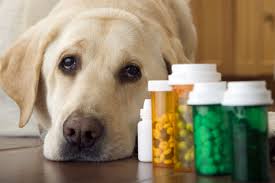

Dogs are susceptible to a variety of bacterial infections, ranging from skin infections and urinary tract infections to respiratory and wound infections. When these infections occur, veterinarians often prescribe an antibiotic tablet for dogs to eliminate harmful bacteria and promote healing. While antibiotics are effective, it is essential for pet owners to understand their safe use, proper dosage, and potential side effects to ensure a successful recovery for their furry companions.
What Are Antibiotic Tablets for Dogs?
Antibiotic tablets are oral medications designed to treat bacterial infections in dogs. They work by either killing bacteria or preventing their growth, allowing the dog’s immune system to combat the infection effectively. Antibiotics are not effective against viral or fungal infections, so proper veterinary diagnosis is crucial before starting treatment.
Common conditions that may require antibiotic tablets for dogs include:
-
Skin infections and abscesses
-
Urinary tract infections (UTIs)
-
Ear infections
-
Respiratory infections
-
Wounds or post-surgical infections
Common Types of Antibiotic Tablets for Dogs
Veterinarians may prescribe different antibiotics based on the infection type, severity, and the dog’s overall health. Some commonly used antibiotic tablets for dogs include:
-
Amoxicillin – Effective for treating skin infections, respiratory infections, and minor wounds.
-
Cephalexin – Frequently used for skin infections, urinary tract infections, and post-surgical care.
-
Clindamycin – Ideal for deeper infections, dental infections, and bite wounds.
-
Enrofloxacin – Often prescribed for more severe or resistant bacterial infections.
-
Doxycycline – Commonly used for respiratory infections and tick-borne bacterial diseases.
Each antibiotic has specific indications, dosages, and treatment durations. It is important to follow veterinary instructions carefully to prevent resistance or incomplete healing.
How to Administer Antibiotic Tablets to Dogs
Administering antibiotic tablets correctly is essential for effectiveness and safety. Here are some guidelines:
-
Follow the Prescription Exactly
Always administer the exact dosage prescribed, at the recommended frequency, and complete the full course, even if your dog appears to be recovering. Stopping antibiotics early can lead to recurrent infections and antibiotic resistance. -
Use the Correct Form
Tablets, capsules, or flavored chewables may be available. Use the form recommended by your veterinarian for best results. -
Mix with Food if Necessary
If your dog refuses the tablet, you can often hide it in food or a treat, but check with your vet to ensure this does not interfere with absorption. -
Monitor for Side Effects
Watch for vomiting, diarrhea, loss of appetite, or allergic reactions. Contact your veterinarian immediately if adverse reactions occur. -
Never Use Human Antibiotics
Human antibiotics can be toxic to dogs and should only be given under veterinary guidance.
Supporting Your Dog During Antibiotic Treatment
In addition to medication, supporting your dog’s overall health can improve recovery:
-
Nutrition: Provide a balanced diet to support the immune system. Certain nutrients, like omega-3 fatty acids, can help maintain healthy skin and coat.
-
Hydration: Ensure your dog drinks plenty of water to support kidney function and general health.
-
Rest: Allow your dog to rest and avoid excessive activity while recovering from infection.
-
Wound Care: If your dog has skin lesions or wounds, keep the area clean and protected from licking or scratching.
Precautions When Using Antibiotic Tablets for Dogs
While antibiotics are generally safe, precautions are necessary:
-
Allergic Reactions: Some dogs may be allergic to specific antibiotics. Signs include swelling, hives, itching, or difficulty breathing. Seek veterinary attention immediately if these occur.
-
Drug Interactions: Inform your vet about other medications or supplements your dog is taking to avoid interactions.
-
Resistance: Misuse of antibiotics, such as skipping doses or not completing the course, can lead to resistant bacteria.
-
Side Effects: Common side effects include gastrointestinal upset, diarrhea, or mild lethargy. Always monitor your dog during treatment.
When to Contact a Veterinarian
Even with proper antibiotic use, complications can occur. Contact your veterinarian if you notice:
-
Persistent or worsening symptoms
-
Severe diarrhea, vomiting, or dehydration
-
Allergic reactions
-
Lack of improvement after several days of treatment
-
Recurrent infections
Prompt intervention prevents complications and ensures faster recovery.
Preventing Bacterial Infections in Dogs
Prevention reduces the need for antibiotic tablets and protects your dog’s overall health. Tips include:
-
Maintain proper hygiene, including regular grooming and cleaning of ears and skin
-
Keep your dog’s living environment clean and dry
-
Use flea, tick, and parasite preventatives
-
Ensure vaccinations are up to date
-
Avoid contact with sick animals or contaminated environments
-
Provide a balanced diet to support immune function
Conclusion
An antibiotic tablet for dogs is a vital tool in treating bacterial infections, but safe and proper use is essential. By following veterinary instructions, monitoring your dog for side effects, and supporting overall health, pet owners can ensure a successful recovery.