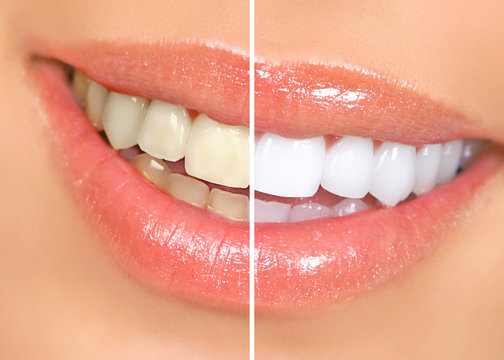

A bright, white smile is often seen as a sign of confidence and good oral health. However, for people with sensitive teeth, the idea of whitening can be worrying. Sensitivity can make even routine dental procedures uncomfortable, leading many to avoid cosmetic treatments altogether. The good news is that modern dentistry has made teeth whitening safer and more comfortable than ever before even for those with sensitive teeth.
Understanding how whitening works, what causes sensitivity, and which options are safest can help you make an informed decision. This blog explains everything you need to know about teeth whitening treatment if you experience sensitivity, including available options, precautions, and long-term care.
Understanding Teeth Sensitivity
Tooth sensitivity occurs when the protective enamel layer becomes thin or when gums recede, exposing the underlying dentin. Dentin contains microscopic tubules that lead directly to the tooth’s nerve, which is why hot, cold, sweet, or acidic foods can trigger discomfort.
Common causes of sensitivity include:
- Enamel erosion due to acidic foods or drinks
- Aggressive brushing habits
- Gum recession
- Tooth decay or cracks
- Previous dental treatments
When sensitivity is present, it’s important to choose a whitening method that minimizes irritation while still delivering effective results.
How Teeth Whitening Affects Sensitive Teeth
Teeth whitening works by using bleaching agents that penetrate enamel and break down stain molecules. While effective, these agents can temporarily increase sensitivity by opening dentinal tubules.
This does not mean whitening is unsafe. With proper evaluation and controlled application, teeth whitening treatment can be performed comfortably, even for sensitive teeth. The key lies in choosing the right technique and professional supervision.
Can People with Sensitive Teeth Get Teeth Whitening?
Yes, people with sensitive teeth can safely undergo whitening. The approach, however, must be personalized. Dentists assess enamel condition, gum health, and existing sensitivity before recommending a treatment plan.
Patients opting for teeth whitening in Goregaon often benefit from customized whitening protocols that use lower concentrations of whitening agents combined with desensitizing solutions.
Professional Teeth Whitening vs Over-the-Counter Products
Over-the-counter whitening products may seem convenient, but they often lack professional supervision and can worsen sensitivity if misused. Ill-fitting trays or excessive application increase the risk of gum irritation and enamel damage.
In contrast, professional teeth whitening in Goregaon offers:
- Controlled application
- Safer whitening agents
- Desensitizing measures before and after treatment
- Faster and more predictable results
Professional supervision ensures that sensitive teeth are protected throughout the process.
Types of Teeth Whitening Suitable for Sensitive Teeth
1. In-Clinic Whitening with Desensitizing Agents
Dentists often apply desensitizing gels before and after whitening to reduce discomfort. This allows patients to achieve visible results with minimal sensitivity.
2. Customized Take-Home Whitening Kits
These kits use lower-strength whitening gels and custom-made trays. Gradual whitening over several days or weeks is gentler on sensitive teeth.
3. Combination Whitening Approach
A short in-clinic session followed by controlled home whitening can balance effectiveness and comfort.
Choosing the best teeth whitening treatment in Goregaon depends on stain severity, enamel condition, and sensitivity levels.
What Makes Professional Whitening Safer for Sensitive Teeth?
Professional whitening stands out because of careful planning and expertise. Dentists evaluate existing dental issues such as cavities or gum disease before whitening. Treating these issues first reduces the risk of sensitivity.
Additionally, advanced whitening systems are designed to limit enamel exposure time, making teeth whitening treatment more comfortable for sensitive patients.
This is where consulting the best dentist in Goregaon becomes important, as experience and technique directly affect comfort and outcomes.
Managing Sensitivity Before and After Whitening
Before Whitening
- Use a desensitizing toothpaste for at least two weeks
- Avoid acidic foods and drinks
- Maintain gentle brushing habits
After Whitening
- Avoid extremely hot or cold foods temporarily
- Continue using sensitivity toothpaste
- Follow dentist-recommended aftercare
Proper care ensures that whitening results last while keeping discomfort minimal.
How Long Does Sensitivity Last After Whitening?
Mild sensitivity after whitening is common and usually temporary. For most patients, it subsides within 24 to 72 hours. Professional treatments are designed to reduce prolonged discomfort, making professional teeth whitening in Goregaon a preferred choice for sensitive teeth.
If sensitivity persists, dentists can recommend additional desensitizing treatments.
How to Choose the Right Dentist for Teeth Whitening with Sensitivity
When sensitivity is a concern, choosing the right dental professional is crucial. Look for:
- Experience in cosmetic dentistry
- Use of modern whitening systems
- Clear discussion of risks and benefits
- Personalized treatment planning
A consultation with the best dentist in Goregaon helps determine the safest approach and sets realistic expectations for results.
Benefits of Teeth Whitening for Sensitive Teeth When Done Professionally
When performed correctly, whitening offers several benefits:
- Improved smile aesthetics
- Boosted confidence
- Safe stain removal without enamel damage
- Long-lasting results with proper care
With expert guidance, even patients with sensitivity can enjoy the benefits of the best teeth whitening treatment in Goregaon.
FAQs About Teeth Whitening for Sensitive Teeth
1. Is teeth whitening safe for sensitive teeth?
Yes, when done under dental supervision, whitening is safe. Dentists use techniques and products designed to protect sensitive teeth.
2. Will teeth whitening increase sensitivity permanently?
No, any sensitivity experienced is usually temporary and subsides within a few days.
3. Can desensitizing toothpaste help before whitening?
Yes, using desensitizing toothpaste before and after whitening significantly reduces discomfort.
4. How many sessions are needed for sensitive teeth?
The number of sessions varies. Some patients need one session, while others benefit from gradual whitening over multiple visits.
5. Should cavities be treated before whitening?
Yes, untreated cavities or gum issues should be addressed before starting any teeth whitening treatment.
Final Thoughts
Sensitive teeth should not prevent anyone from achieving a brighter smile. With the right approach, modern teeth whitening treatment can be both safe and effective. Personalized care, controlled techniques, and professional supervision make all the difference.
Patients considering teeth whitening in Goregaon are encouraged to seek expert guidance to determine the most suitable option. Choosing the best dentist in Goregaon ensures that sensitivity is managed properly while delivering natural-looking, long-lasting results. With informed decisions and proper care, even sensitive teeth can benefit from professional whitening and renewed confidence.