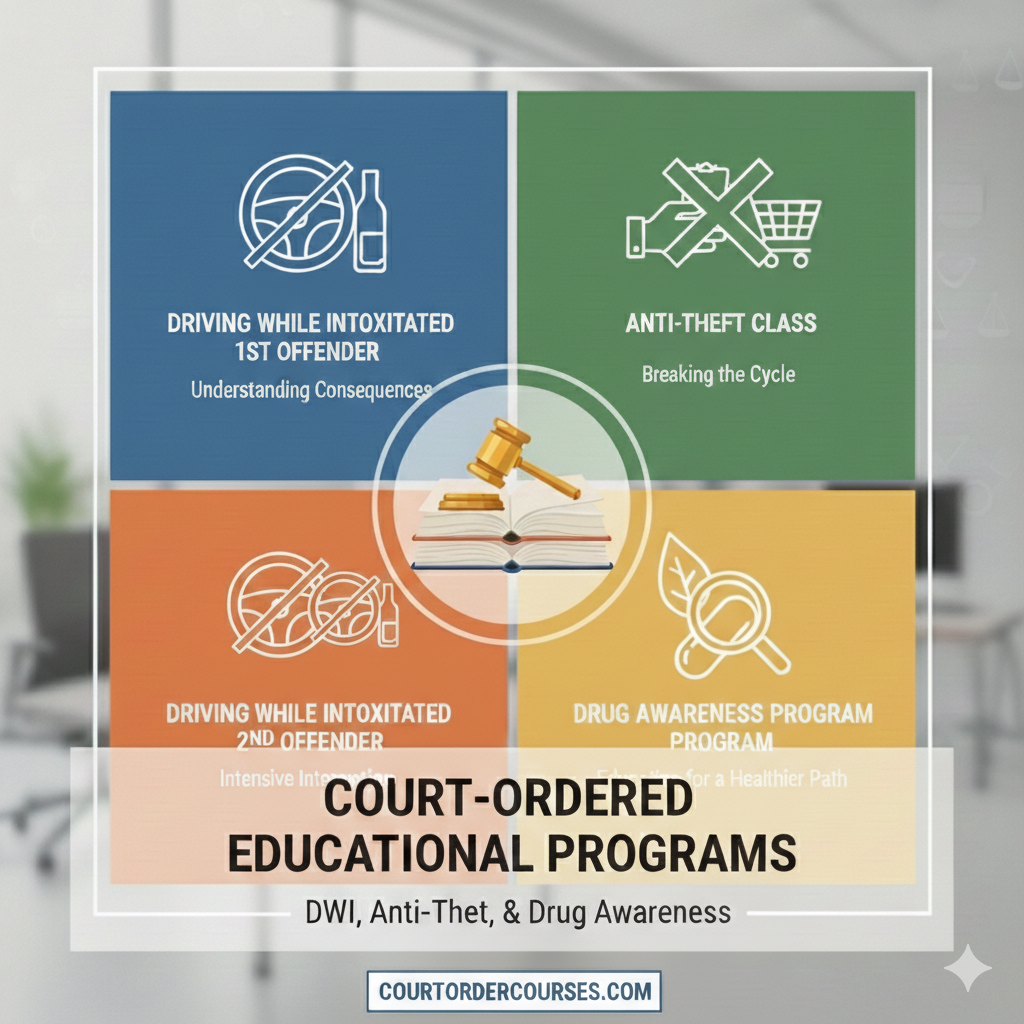

Facing legal challenges related to driving, substance use, or misdemeanor offenses can be one of the most stressful periods in a person’s life. Beyond the immediate legal ramifications, there is often a complex web of requirements to navigate, including fines, probation, and mandatory educational programs. While these requirements might initially feel like a burden, they are strategically designed to provide participants with the tools, knowledge, and psychological insights necessary to avoid future legal issues.
For many, programs like those offered at Court Order Courses serve as a bridge between a legal setback and a fresh start. Below, we provide an in-depth look at four critical court-ordered classes, exploring their purpose, curriculum, and the role they play in the rehabilitation process.
1. Driving While Intoxicated (DWI) 1st Offender Class
A first-time DWI conviction is often a life-altering event. It frequently carries a mix of embarrassment, financial strain, and fear regarding the future of one’s driving privileges. The DWI 1st Offender Class is specifically curated to address these concerns while prioritizing public safety.
What to Expect
This course is not merely a lecture on the “evils” of alcohol; it is a data-driven educational experience. Participants learn about:
-
Blood Alcohol Concentration (BAC): Understanding how body weight, metabolism, and time affect impairment levels.
-
The Law: A deep dive into state-specific statutes, the “implied consent” laws, and the long-term costs of a conviction.
-
Societal Impact: Real-world consequences of impaired driving, including victim impact perspectives.
By completing this program, offenders demonstrate to the court that they have gained a sober understanding of their actions. It is often the primary prerequisite for obtaining a restricted license or having driving privileges fully restored.
-
Registration Link: Driving While Intoxicated 1st Offender Class
2. Driving While Intoxicated (DWI) 2nd Offender Class
When a second offense occurs, the legal system’s perspective shifts from “mistake” to “pattern.” Consequently, the DWI 2nd Offender Class is significantly more rigorous than the first. It is designed for individuals who may be struggling with deeper behavioral patterns or substance dependency.
A Focus on Intervention
While the first course focuses on education, the second-offender program focuses on intervention and lifestyle change. The curriculum often includes:
-
Self-Assessment: Identifying personal triggers and high-risk situations that lead to drinking and driving.
-
Dependency Education: Understanding the physiological and psychological signs of alcohol abuse.
-
Relapse Prevention: Developing a concrete, actionable plan to ensure a third offense never happens.
For many participants, this course serves as the final barrier between maintaining their freedom and facing significant jail time. It provides a structured environment to evaluate life choices and commit to a safer, sober path.
-
Registration Link: Driving While Intoxicated 2nd Offender Class
3. Anti-Theft Class: Breaking the Cycle
Theft-related offenses, such as shoplifting or larceny, often stem from complex emotional or financial roots. The Anti-Theft Class (sometimes called a Consumer Awareness or Shoplifting Prevention class) is designed to address the “why” behind the act.
Behavioral Modification
Unlike traffic-related offenses, theft is often an impulsive or compulsive behavior. This course helps participants explore:
-
Cognitive Distortions: Challenging the “victimless crime” myth and understanding who really pays for theft (consumers, employees, and communities).
-
Impulse Control: Learning techniques to manage the urge to take items without payment.
-
Impact Awareness: Realizing how a theft conviction on a permanent record can destroy future employment opportunities.
By addressing the underlying triggers—whether they be stress, peer pressure, or financial desperation—the course empowers individuals to find healthier ways to cope with their needs.
-
Registration Link: Anti-Theft Class
4. Drug Awareness Program
The Drug Awareness Program is a vital tool for individuals charged with possession or drug-related misdemeanors. It is an educational intervention intended to provide a clear-eyed view of the narcotics landscape today.
Knowledge as Power
This program covers a wide range of topics, including:
-
Pharmacology: How different drugs (illicit and prescription) affect the brain and nervous system.
-
The Legal Shield: Understanding the specific laws regarding controlled substances and the escalating penalties for repeat offenses.
-
Resource Mapping: Identifying community support systems, counseling services, and health resources for those looking to distance themselves from drug culture.
This course is frequently used by defense attorneys to show the court that their client is proactive and committed to making better choices moving forward.
-
Registration Link: Drug Awareness Program
Why Online Education is the Standard for Rehabilitation
In the modern legal landscape, online court-ordered classes have become the preferred method for fulfilling requirements. Platforms like Court Order Courses offer several distinct advantages:
-
Accessibility: You can complete your required hours from the safety of your home, removing the need for transportation—which is especially helpful if your license is currently suspended.
-
Self-Paced Learning: Everyone processes information differently. Online modules allow you to spend more time on difficult concepts and move quickly through familiar ones.
-
Privacy and Dignity: Legal issues are personal. Completing these courses online allows you to fulfill your obligations without the potential stigma of attending a physical classroom in your local community.
-
Verified Certification: Upon successful completion, participants receive a certificate that is recognized by courts and probation departments, ensuring that your efforts are officially documented.
Conclusion
A court order doesn’t have to be the end of the road; it can be the start of a safer, more informed chapter of your life. Whether you are dealing with a DWI, a theft charge, or a drug-related issue, these educational programs provide the roadmap you need to satisfy the law and improve your future.