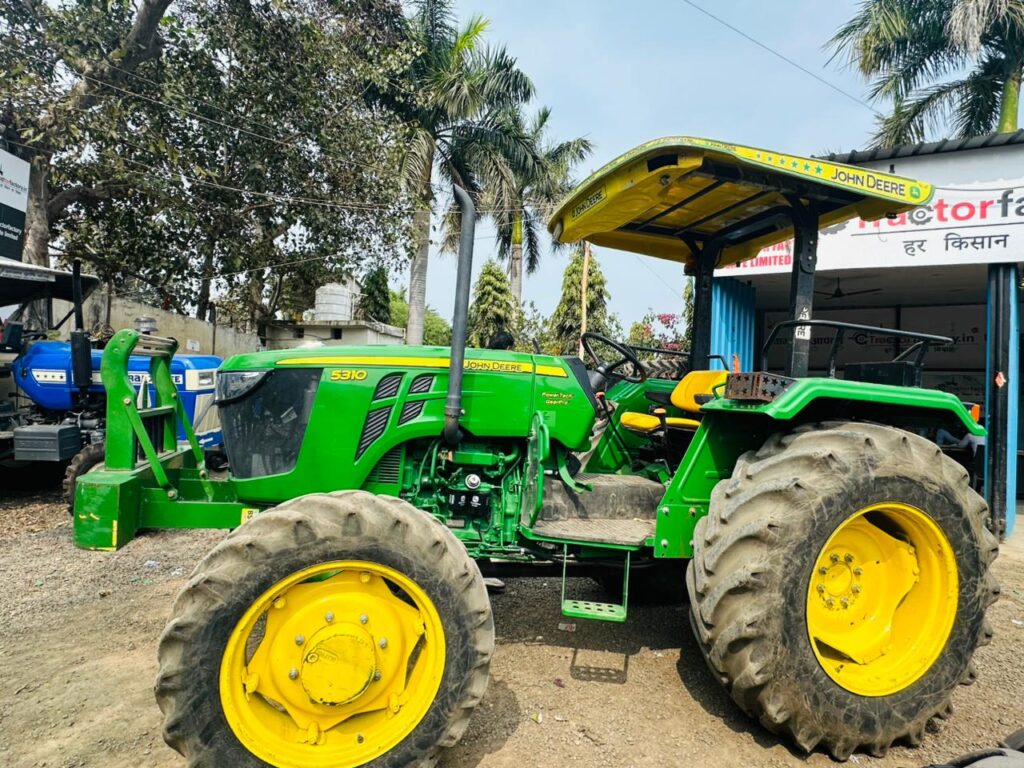

A second hand tractor is not a shortcut or a compromise. It’s a decision made by people who’ve spent real time on farms, who know what matters when the engine is warm and the soil is stubborn. I’ve worked with new tractors that looked impressive on paper and used ones that quietly did the job year after year. Experience changes how you look at machinery. Shine fades fast. Reliability doesn’t.
When someone searches for a second hand tractor, they’re usually not chasing perfection. They want something that starts early, pulls steady, and doesn’t demand attention every other week. That’s the heart of it. Everything else is noise.
Why Farmers Keep Choosing Second Hand Tractors Even When New Models Exist
The truth is simple. A tractor earns its place. It doesn’t matter if it’s fresh from the showroom or has worked ten seasons already. What matters is how it behaves when you need it most.
Used tractors come with a history. Sometimes that history is visible in faded paint or worn pedals. That’s not always a bad thing. Wear tells you where the machine worked hardest. It shows you what to check.
Many farmers prefer second hand tractors because they already know their quirks. New tractors arrive with promises and paperwork. Old ones arrive with proof. If a tractor has survived years of ploughing, hauling, and uneven loads, it’s already passed tests that brochures can’t simulate.
There’s also comfort in familiarity. Older models often have simpler systems. Fewer sensors. Fewer surprises. When something goes wrong, you can usually trace it by sound or feel, not a warning screen.
Understanding What Makes a Second Hand Tractor Worth Buying
Not every used tractor is a good buy. Anyone who says otherwise hasn’t been burned yet.
A good second hand tractor feels balanced. The engine sound is steady, not strained. Gears engage without protest. Steering responds without delay. These things aren’t listed in ads, but they matter more than year or color.
Look at how it was treated. Scratches from branches are normal. Bent linkages or mismatched tires raise questions. A tractor used for farm work will show honest wear. A tractor abused will show neglect.
Service history helps, but it’s not everything. Some of the best machines I’ve seen were maintained by owners who never wrote anything down but never missed an oil change either. You learn to read machines the way mechanics do, through patterns, not promises.
Engine Life Tells the Real Story of a Used Tractor
The engine is where second hand tractors either earn trust or lose it instantly.
Cold starts reveal a lot. A healthy engine fires with confidence, even if it takes a second longer than new. Excessive smoke, uneven idling, or strange knocks aren’t small issues. They’re warnings.
Hours on the meter matter, but not in isolation. A tractor with higher hours and steady maintenance can outlast a low-hour machine that sat unused or was run carelessly. Engines like work. They don’t like neglect.
Listen closely. Not just to the engine, but to yourself. If something feels off, it usually is. Farmers learn this instinct early, often the hard way.
Gearbox and Transmission Are Where Cheap Deals Become Expensive Mistakes
Transmission problems don’t announce themselves loudly at first. They whisper.
A second hand tractor should shift smoothly under load. Grinding gears, delayed engagement, or slipping under pressure are signs you shouldn’t ignore. Repairs here aren’t small fixes. They’re commitments.
Test it properly. Drive it uphill. Engage implements if possible. A tractor that behaves well only when empty isn’t telling the full truth.
Older gear systems are often more forgiving and easier to repair. That’s one reason many farmers stick with familiar models. When something does wear out, parts are available and mechanics understand them.
Hydraulics Matter More Than Most First-Time Buyers Expect
Hydraulics don’t get the attention engines do, but they affect daily work more than people realize.
Check lift response. It should be smooth and controlled, not jerky or hesitant. Listen for whining sounds under load. That’s often the first sign of hydraulic fatigue.
Leaks are common in used tractors, but not all leaks are equal. Seepage around seals can be manageable. Active dripping under pressure is another story.
Hydraulics are the muscles of the tractor. Weak muscles slow everything down.
Tires, Chassis, and the Signs of Honest Work
Tires are expensive. Worn tires aren’t a deal-breaker, but they should factor into the price. Uneven wear can point to alignment issues or long-term overloading.
The chassis tells its own story. Look for cracks, fresh welds, or areas that don’t match the rest of the frame. Repairs aren’t always bad, but hidden ones are.
A tractor that’s been worked hard but respected usually looks consistent. Wear makes sense. Damage doesn’t.
Second Hand Tractors Suit Indian Farming Realities Better Than Many New Models
Indian farms demand versatility. Fields vary. Crops change. Conditions aren’t controlled.
Second hand tractors often come from similar environments. They’ve already proven themselves in heat, dust, and long working days. That familiarity matters.
New tractors sometimes struggle outside ideal conditions. Too many electronics. Too much dependence on service centers. Used tractors tend to be more forgiving when support isn’t nearby.
There’s also the matter of affordability. Buying a second hand tractor frees up money for implements, seeds, or irrigation. Farming isn’t about owning the newest machine. It’s about balancing needs.
Common Myths Around Second Hand Tractors That Don’t Hold Up in Practice
One common belief is that used tractors break down constantly. That’s only true when they’re poorly chosen.
Another myth is that parts are hard to find. In reality, popular older models often have better part availability than newer ones. Local markets stock what people actually use.
Some believe second hand tractors lack efficiency. I’ve seen older machines outperform newer ones simply because they were understood and maintained properly.
The machine doesn’t fail you as often as poor decisions do.
Buying From Individuals vs Dealers Has Different Risks and Rewards
Private sellers usually know the tractor personally. They can tell you how it was used, not just what it is. But documentation might be limited.
Dealers offer inspections, sometimes short warranties, and easier paperwork. Prices are often higher, but so is predictability.
Neither option is perfect. The best choice depends on how well you can evaluate a tractor yourself. Confidence matters here.
Matching the Right Second Hand Tractor to Your Actual Work
Too many buyers choose tractors based on aspiration rather than need.
Bigger isn’t always better. Extra horsepower means higher fuel use and more stress on components. A tractor should match your land size, soil type, and implements.
Think about turning radius. Fuel consumption. Ease of maintenance. These details shape daily work more than raw power.
A second hand tractor that fits your work will feel right almost immediately. You won’t have to convince yourself.
Paperwork, Registration, and Ownership Transfer Should Never Be Rushed
Mechanical checks get attention. Legal checks often don’t, until it’s too late.
Verify registration details. Engine and chassis numbers should match records. Pending loans or disputes can create long-term trouble.
Transfer processes vary by region, but skipping steps creates future headaches. Take time here. It’s part of buying responsibly.
Long-Term Ownership of a Second Hand Tractor Builds Confidence Over Time
There’s something satisfying about knowing your machine deeply.
You learn its sounds. Its habits. When it needs attention and when it’s just warming up. That relationship forms faster with used tractors because they already have character.
Over time, maintenance becomes routine, not stressful. Repairs become planned, not panicked. The tractor becomes part of your workflow, not a question mark.
The Emotional Side of Choosing a Second Hand Tractor
This part isn’t discussed enough.
Buying a second hand tractor often feels more personal. You’re continuing a machine’s story, not starting from zero. There’s responsibility in that.
When it performs well, there’s pride. Not because it’s new, but because you chose wisely. Because you understood what mattered.
That feeling doesn’t come from price tags or paint.
A Good Second Hand Tractor Is Built on Judgment, Not Luck
The best used tractors aren’t accidents. They’re found by people who look carefully, listen closely, and don’t rush. They understand that farming equipment isn’t about perfection. It’s about trust.
A second hand tractor, chosen well, becomes more than machinery. It becomes dependable. Familiar. Quietly essential.
https://writeupcafe.com/second-hand-tractor-the-honest-workhorse-that-still-earns-its-keep