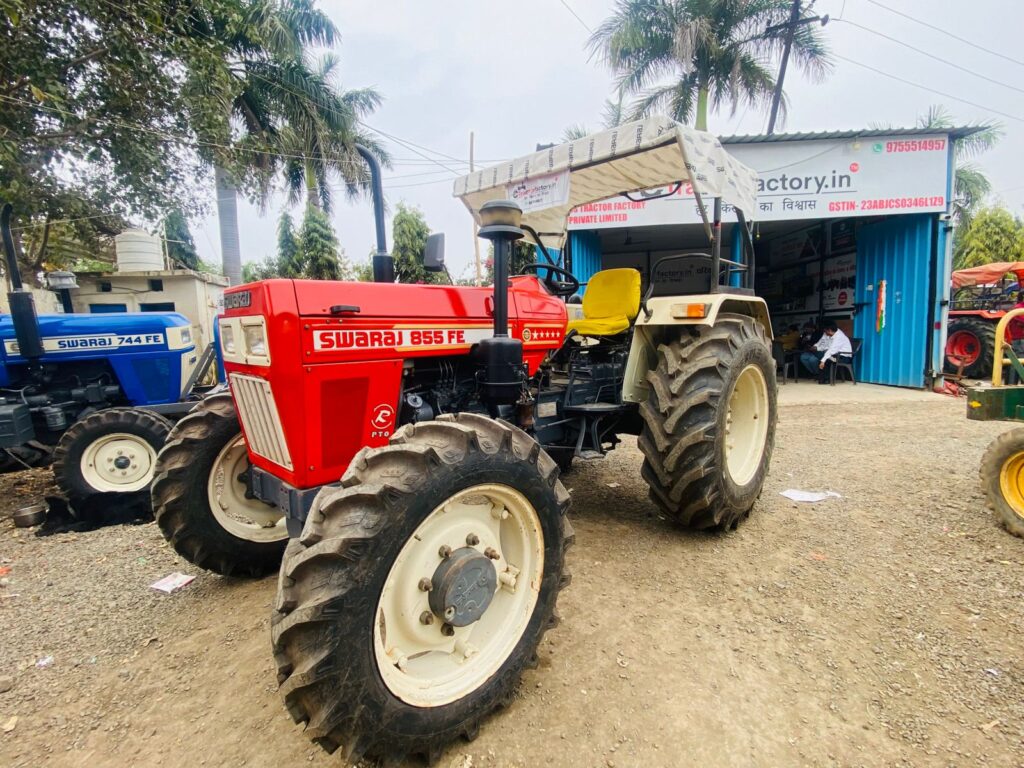

The First Time You Trust an Old Tractor
The first time you climb onto an old tractor, there’s a pause. You don’t turn the key right away. You listen. You feel the metal under your boots, the worn steering wheel, the faded paint that once shouted bright red or green. An old tractor doesn’t promise comfort. It promises work. Real work. The kind that smells like diesel and dust. I’ve driven newer machines with digital displays and soft seats, but none of them ever felt as honest as an old tractor that’s already earned its keep.
Built When Strength Mattered More Than Style
Old tractors were built in a different mindset. Engineers back then weren’t chasing sleek looks or fancy features. They were focused on strength, balance, and reliability. Thick steel. Heavy axles. Engines that could run hot all day and still come back the next morning. You see it when you open the bonnet. Everything is accessible. No plastic covers hiding things. Just bolts, pipes, and parts you can actually understand if you’ve spent time with tools.
The Engine That Refuses to Quit
There’s something stubborn about an old tractor engine. It doesn’t like giving up. I’ve seen tractors that haven’t been serviced properly in years still start after a bit of coaxing. A few turns, some smoke, then that steady thump-thump sound. Not smooth. Not quiet. But strong. These engines were made to tolerate bad fuel, rough handling, and long hours. Treat them halfway decent, and they’ll outlast expectations.
Why Farmers Still Hold Onto Them
Many farmers don’t keep old tractors out of nostalgia. They keep them because they work. Plain and simple. An old tractor might not plow as fast as a modern one, but it plows consistently. It doesn’t demand expensive software updates or specialized technicians. When something breaks, it’s usually mechanical. Fixable. Sometimes with local parts. Sometimes with a bit of welding and experience. That kind of independence matters in rural life.
Repairs That Teach You Patience
Owning an old tractor teaches patience. Repairs take time. Bolts resist. Parts don’t always line up perfectly. Manuals might be missing pages or written decades ago. But every repair teaches you something. You learn how systems interact. You learn the sound of a healthy engine versus one that’s tired. And when you finally finish a repair and the tractor moves under its own power again, the satisfaction is deep. Quiet. Earned.
Fuel, Smoke, and Honest Power
Old tractors aren’t shy about fuel. They drink more than modern machines, and yes, they smoke. Especially in the morning. But that smoke is part of the character. It tells a story. Cold starts, worn rings, years of labor. Once warmed up, many old tractors settle into a reliable rhythm. They pull. They push. They don’t hesitate much. Torque comes in early, steady and predictable, which is exactly what you want in a field.
Simplicity That Makes Sense
There’s beauty in simplicity. Old tractors don’t overwhelm you with buttons. Throttle. Clutch. Gear lever. Hydraulic control. That’s it. Everything has a clear purpose. You don’t need a manual every time you climb on. Muscle memory takes over. That simplicity reduces failure points. Fewer electronics mean fewer surprises. When something goes wrong, you usually know where to look.
Cost That Still Makes Them Attractive
For many small farmers and first-time buyers, old tractors are affordable. That matters. New tractors cost a fortune. Financing, insurance, expensive servicing. An old tractor can often be bought outright. No debt hanging over your head. Even if you spend money on repairs, the overall cost usually stays manageable. For seasonal work or backup use, old tractors make practical sense.
Old Tractors and Mixed Farming Tasks
Old tractors shine in mixed farming setups. Hauling trailers. Running a thresher. Powering a pump. Light plowing. They may not handle massive implements, but they weren’t designed to. They fit well into farms where tasks change daily. One day it’s field work, the next day transport. That versatility keeps them relevant even now.
The Feel You Can’t Measure on Paper
You can’t measure feel in specifications. But anyone who’s driven an old tractor knows what I mean. The vibration through the seat. The feedback through the steering wheel. You feel the ground. The load. The resistance. It keeps you connected to the work. Modern tractors isolate you from that. Comfortable, yes. But distant. Old tractors make you part of the process.
Learning Farming the Hard Way
Many farmers learned on old tractors. Mistakes were unforgiving. Miss a gear, stall the engine. Misjudge a slope, feel the weight shift. Those lessons stick. Old tractors teach respect. They demand attention. You can’t be careless. That kind of learning builds confidence that lasts a lifetime.
Spare Parts and Local Mechanics
One advantage of popular old tractor models is parts availability. Local markets often stock compatible spares. Mechanics know these machines inside out. Some have been repairing the same models for decades. That shared knowledge keeps old tractors alive. You’re not alone when something breaks. There’s always someone who’s seen the problem before.
Not Perfect, But Predictable
Old tractors leak. Let’s be honest. Oil stains under the engine are common. Paint peels. Seats crack. But the problems are predictable. You know what to expect. There’s comfort in that. Unexpected electronic failures on new machines can stop work entirely. An old tractor usually gives warning signs before serious trouble.
Old Tractors in Modern Times
Despite advances in farming technology, old tractors still find a place. Especially in developing regions and smaller farms. They fill gaps. They serve as secondary machines. They handle rough jobs where you wouldn’t risk a new tractor. Their relevance hasn’t disappeared. It’s just changed.
Emotional Attachment That Grows Over Time
Spend enough time with an old tractor and attachment creeps in. You remember the days it saved your harvest. The nights you worked late under weak lights. The repairs done in a hurry before rain arrived. These machines become part of your farming story. Replacing them doesn’t feel easy, even when you can afford to.
What to Look for Before Buying One
Buying an old tractor requires careful eyes. Engine sound matters more than looks. Check for excessive smoke under load. Feel the clutch. Test the gears. Hydraulics should lift smoothly, not jerk. A tired tractor can still work, but knowing its condition helps you plan repairs realistically.
Why Some Old Tractors Are Better Than Others
Not all old tractors age well. Models with solid reputations tend to survive longer. Good design lasts. Overbuilt engines, strong gearboxes, simple hydraulics. These features separate dependable old tractors from those that become constant headaches. Experience and local advice matter when choosing.
The Slow Pace That Encourages Care
Old tractors don’t rush you. They move at their own pace. That slower rhythm can actually improve work quality. You notice things. Soil condition. Implement behavior. Small issues before they become big ones. Farming doesn’t always need speed. Sometimes it needs attention.
Passing Them Down Through Generations
Some old tractors are still in families after decades. Passed from father to son, uncle to nephew. Each owner adds history. Repairs. Modifications. Stories. That continuity builds respect for machinery and labor. You don’t just own the tractor. You carry its legacy.
When Letting Go Becomes Necessary
Eventually, there comes a time when an old tractor can’t keep up. Parts become scarce. Repairs cost more than value. Letting go isn’t easy. But even then, the tractor has done its job. It earned its rest. Scrapping or selling it feels like saying goodbye to a worker, not a machine.
Why Old Tractors Still Deserve Respect
Old tractors aren’t outdated junk. They’re proof of durable engineering and honest labor. They remind us that farming isn’t just about speed and technology. It’s about reliability, understanding, and trust. Trust built over years of shared work. That’s why old tractors still matter. And probably always will.