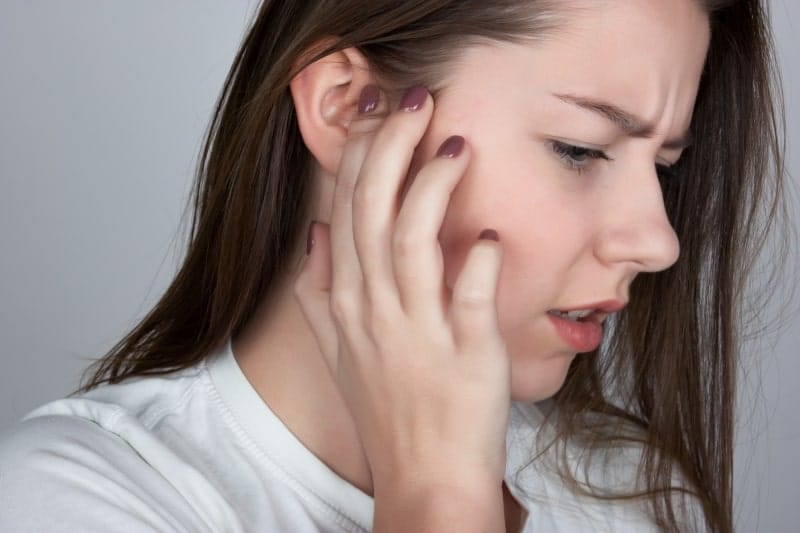

Many people experiencing ear pain, constant ringing, or a feeling of pressure inside the ear assume the problem lies with an ear infection or sinus issue. However, for a significant number of patients, the real source is not the ear at all—it’s the temporomandibular joint, commonly known as the TMJ. TMJ disorder (TMD) affects the joint that connects your jawbone to your skull, and because of its close relationship with the ears, nerves, and muscles of the face and neck, symptoms often extend far beyond jaw discomfort.
Understanding why TMJ disorder causes ear-related symptoms can help patients seek the right treatment early and avoid months—or even years—of unnecessary frustration.
Understanding the TMJ and Its Connection to the Ear
The temporomandibular joint is one of the most complex joints in the human body. It allows you to speak, chew, yawn, and move your jaw in multiple directions. What makes it especially important in this discussion is its location. The TMJ sits just in front of the ear canal, separated by only a thin layer of bone and tissue.
This close proximity means that inflammation, muscle tension, or joint dysfunction can easily affect the surrounding structures. When the TMJ is not functioning properly, the pressure and irritation can be perceived as ear pain, fullness, or ringing—even when the ear itself is perfectly healthy.
Why TMJ Disorder Causes Ear Pain
Ear pain related to TMJ disorder is often referred pain. This means the pain originates in the jaw joint or surrounding muscles but is felt in the ear due to shared nerve pathways. The trigeminal nerve, one of the main nerves responsible for facial sensation, supplies both the jaw and parts of the ear. When this nerve is irritated by TMJ dysfunction, the brain can misinterpret the signal as ear pain.
Additionally, tight jaw muscles—especially the masseter and temporalis—can create constant tension around the ear area. This muscle strain often worsens with chewing, talking for long periods, or clenching and grinding the teeth, making the pain feel persistent and difficult to pinpoint.
The Link Between TMJ Disorder and Ear Ringing (Tinnitus)
Ringing, buzzing, or hissing sounds in the ear—commonly known as tinnitus—are another frequent complaint among TMJ patients. While tinnitus is often associated with hearing loss or inner ear problems, TMJ disorder is a well-recognized but frequently overlooked cause.
TMJ-related tinnitus can occur due to muscle spasms and inflammation near the auditory structures. The muscles that control jaw movement are closely connected to muscles involved in hearing and balance. When these muscles are strained or imbalanced, they can interfere with normal auditory signals, leading to phantom sounds.
In many cases, patients notice that their ringing worsens when they clench their jaw, chew, or move their mouth in certain directions—an important clue that TMJ disorder may be the underlying issue.
Why TMJ Disorder Creates Ear Pressure and Fullness
A sensation of pressure or fullness in the ear is often mistaken for fluid buildup or sinus congestion. However, TMJ disorder can produce the same feeling without any actual blockage in the ear canal.
This occurs because inflammation in the TMJ region can affect the Eustachian tube, which helps regulate pressure in the middle ear. Muscle tension around this area can prevent proper pressure equalization, creating a constant “blocked ear” sensation. Patients often describe it as feeling like their ear needs to pop but never does.
Beyond the Ear: How Widespread TMJ Symptoms Can Be
TMJ disorder rarely affects just one area. Because the jaw, neck, shoulders, and head are part of a connected muscular and nerve network, symptoms often spread. This leads many patients to ask: can tmj disorder cause headaches, neck pain, or ear symptoms? The answer is yes—and it’s more common than most people realize.
Jaw misalignment and chronic muscle tension can pull on neck muscles, contribute to poor posture, and strain the muscles at the base of the skull. This frequently results in tension headaches, migraines, stiffness in the neck, and even shoulder pain. When these symptoms occur together with ear issues, TMJ disorder should be strongly considered.
Common Triggers That Make TMJ-Related Ear Symptoms Worse
Several everyday habits and conditions can aggravate TMJ disorder and intensify ear-related symptoms:
-
Teeth grinding or clenching (bruxism): Often stress-related and commonly happens during sleep
-
Poor posture: Forward head posture increases jaw and neck strain
-
Chewing gum excessively: Overworks the jaw muscles
-
Stress and anxiety: Leads to muscle tension and clenching
-
Jaw injuries or trauma: Including whiplash or sports injuries
Identifying and managing these triggers is a crucial part of reducing ear pain and pressure associated with TMJ disorder.
Why TMJ Disorder Is Often Misdiagnosed
One of the biggest challenges with TMJ-related ear symptoms is misdiagnosis. Patients frequently visit ENT specialists, undergo hearing tests, or take repeated courses of antibiotics—only to be told everything looks normal.
Because TMJ disorder does not always present with obvious jaw pain or clicking, the condition can be overlooked unless a thorough jaw and bite evaluation is performed. This delay in diagnosis often prolongs discomfort and allows the condition to worsen over time.
How Proper TMJ Treatment Relieves Ear Symptoms
Effective TMJ treatment focuses on addressing the root cause rather than masking symptoms. Depending on the severity and underlying factors, treatment may include:
-
Custom oral appliances or splints to reduce joint strain
-
Jaw muscle relaxation techniques
-
Bite correction when misalignment is present
-
Posture correction and neck support
-
Stress management strategies
-
Targeted physiotherapy for jaw and neck muscles
With the right approach, many patients experience significant improvement—or complete resolution—of ear pain, ringing, and pressure within weeks or months.
At Smile Masters And Jaw Joint Matters, TMJ care is approached holistically, focusing on jaw function, muscle balance, and long-term relief rather than short-term symptom control.
When to Seek Help for TMJ-Related Ear Issues
If you experience ongoing ear pain, ringing, or pressure with no clear ear-related cause—and especially if symptoms worsen with jaw movement—it’s important to consider TMJ disorder as a possible explanation. Early intervention can prevent chronic pain, joint damage, and the progression of symptoms into the neck and head.
Ignoring TMJ disorder doesn’t just affect your jaw; it can quietly disrupt your comfort, sleep, concentration, and quality of life.
Final Thoughts
TMJ disorder is a hidden but powerful contributor to ear pain, tinnitus, and pressure. Its close anatomical relationship with the ear, combined with shared nerves and muscles, makes these symptoms surprisingly common. By understanding the connection and seeking targeted care, patients can finally find answers to persistent ear discomfort that standard treatments fail to resolve.
If ear symptoms are lingering without a clear explanation, the jaw joint may be the missing piece of the puzzle.