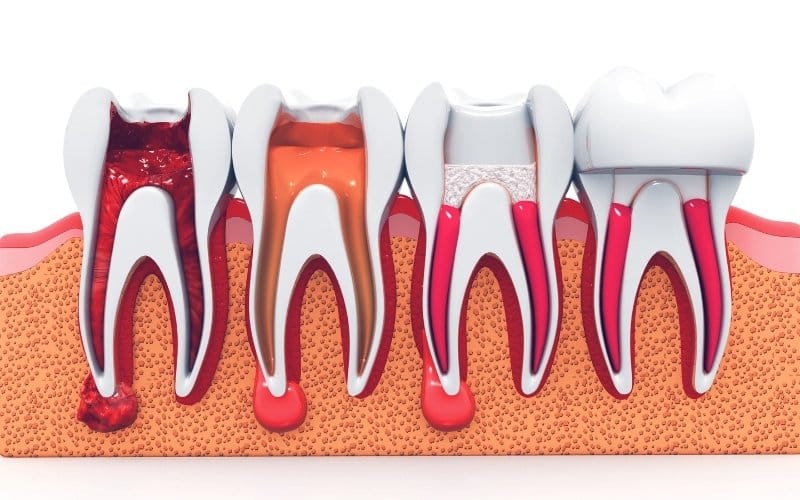

Tooth pain is often ignored until it becomes unbearable. Many people choose to live with a dental infection out of fear, misinformation, or the belief that the pain will eventually go away on its own. However, when a tooth becomes infected, delaying treatment can lead to serious oral and overall health consequences. One of the most effective ways to save an infected tooth is through root canal treatment, yet it remains one of the most misunderstood dental procedures.
Understanding the real risks of untreated infection versus timely treatment can help you make a confident and informed decision about your dental health.
For patients considering root canal treatment in Somalwada, it’s important to know that modern techniques focus on relieving pain, eliminating infection, and preserving your natural tooth—while avoiding complications that can arise from delaying care.
What Happens When a Tooth Gets Infected?
A tooth infection usually begins deep inside the tooth, in the pulp. This soft tissue contains nerves, blood vessels, and connective tissue that keep the tooth alive. When decay, cracks, trauma, or repeated dental procedures allow bacteria to enter the pulp, infection sets in.
Once infected, the pulp cannot heal on its own. The bacteria multiply, causing inflammation, pressure, and pain. If left untreated, the infection spreads beyond the tooth into the surrounding bone and tissues.
Common Signs of a Tooth Infection
Not all infections cause severe pain initially, which is why many people delay treatment. Common symptoms include:
-
Persistent toothache or throbbing pain
-
Sensitivity to hot or cold
-
Swelling of gums or face
-
Pain while chewing
-
Darkening of the tooth
-
Pus discharge or bad taste
-
Fever or general discomfort
Ignoring these signs can allow the infection to progress silently.
The Risks of Living With an Infected Tooth
Living with an untreated tooth infection is far more dangerous than most people realize. While pain may come and go, the infection continues to spread beneath the surface.
1. Spread of Infection
Bacteria can move from the tooth into the jawbone, surrounding tissues, and even the bloodstream. This can lead to abscess formation, facial swelling, and serious systemic infections.
2. Bone Loss Around the Tooth
Chronic infection destroys the bone supporting the tooth, making future tooth preservation difficult or impossible.
3. Increased Pain Over Time
What starts as mild discomfort can turn into severe, constant pain that interferes with sleep, eating, and daily activities.
4. Tooth Loss
Delaying treatment often results in damage so extensive that extraction becomes the only option.
5. Impact on Overall Health
Dental infections have been linked to heart problems, diabetes complications, and weakened immunity, especially in older adults or those with existing health conditions.
Why Root Canal Treatment Is the Safer Choice
Root canal treatment removes the infected pulp, cleans the inside of the tooth, and seals it to prevent reinfection. Contrary to common myths, the procedure is designed to relieve pain—not cause it.
Modern root canal techniques are safe, precise, and highly effective, allowing patients to keep their natural teeth while eliminating infection at its source.
What Happens During a Root Canal?
The procedure typically involves the following steps:
-
Diagnosis and Imaging
X-rays help assess the extent of infection. -
Removal of Infected Pulp
The infected tissue is carefully removed from the root canals. -
Cleaning and Disinfection
The canals are thoroughly cleaned to eliminate bacteria. -
Sealing the Tooth
The canals are filled and sealed to prevent reinfection. -
Restoration
A crown is often placed to restore strength and function.
The process is usually completed in one or two visits, depending on the severity of the infection.
Root Canal Treatment vs Extraction
Some people consider extraction as an alternative to root canal treatment. While extraction removes the infected tooth, it also creates new challenges.
Root Canal Treatment:
-
Preserves the natural tooth
-
Maintains proper chewing and alignment
-
Prevents bone loss
-
Avoids additional procedures
Extraction:
-
Leaves a gap that affects bite and appearance
-
Often requires implants, bridges, or dentures
-
Can lead to bone loss
-
Usually costs more in the long run
Saving your natural tooth whenever possible is almost always the healthier option.
Addressing the Fear Around Root Canals
Fear is one of the main reasons people delay treatment. Much of this fear is based on outdated experiences or misinformation.
Today’s root canal procedures:
-
Use advanced anesthesia for comfort
-
Are no more painful than fillings
-
Relieve existing pain instead of causing it
-
Have high success rates
Patients often report feeling immediate relief after treatment.
Long-Term Benefits of Timely Treatment
Choosing root canal treatment early offers several long-term advantages:
-
Eliminates infection permanently
-
Restores normal chewing function
-
Preserves natural appearance
-
Prevents future dental emergencies
-
Protects surrounding teeth and bone
Delaying care, on the other hand, almost always leads to more complex and costly treatments.
Why Early Diagnosis Matters
The earlier an infection is treated, the simpler the procedure and the better the outcome. Regular dental check-ups help detect issues before they become painful or dangerous.
When intervention happens early, patients avoid complications like abscesses, swelling, and extensive bone damage.
Professional Care Makes the Difference
Accurate diagnosis, careful technique, and proper restoration are essential for successful treatment. Salankar Dental and Implant Clinic focuses on precise diagnosis and conservative treatment planning to help patients manage infection effectively while preserving their natural teeth.
Living With Infection Is Not a Solution
Some patients believe antibiotics alone can cure a tooth infection. While antibiotics may temporarily reduce symptoms, they do not remove the infected pulp. The infection will return unless the source is treated.
Living with infection is not a long-term solution—it’s a growing risk.
Final Thoughts
When comparing root canal treatment to living with an infected tooth, the choice becomes clear. Root canal treatment is a safe, effective, and tooth-saving procedure that protects both oral and overall health. Ignoring infection may seem easier in the short term, but it often leads to pain, tooth loss, and serious health complications.
If you’re experiencing persistent tooth pain or signs of infection, timely treatment can save your natural tooth and prevent unnecessary suffering. Choosing professional care early is not just about relieving pain—it’s about protecting your health for the long term.