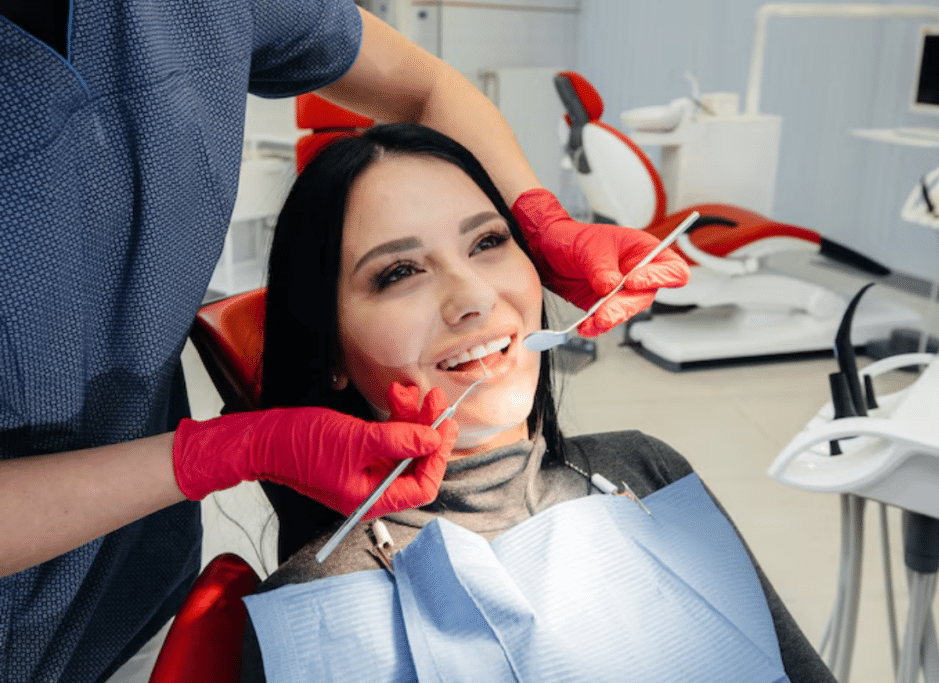

Proper daily brushing is the cornerstone of oral health and maintaining a confident smile. Cosmetic dentist emphasize that consistent brushing prevents cavities, reduces gum disease, and preserves teeth appearance. Many people miss small yet important steps that can affect their oral hygiene. Daily brushing protects more than breath; it prevents enamel damage, supports healthy gums, and helps maintain a bright, clean smile. Following professional guidance ensures long-term oral health and reduces the risk of expensive dental problems in the future.
Choosing the Right Toothbrush and Toothpaste
Selecting an appropriate toothbrush and toothpaste is vital for effective cleaning. Soft-bristled brushes gently remove plaque while protecting gums. Replace your toothbrush every three to four months or earlier if bristles fray. Toothpaste with fluoride strengthens enamel and fights cavities. Those with tooth sensitivity should use specialized formulas, while cosmetic dentists may recommend whitening pastes for brightening teeth. Using the right combination of toothbrush and toothpaste ensures optimal results, prevents gum irritation, and allows for more thorough cleaning of all surfaces.
Correct Brushing Technique
Dentists recommend holding the toothbrush at a 45-degree angle to the gumline. Use gentle circular motions to clean all surfaces without damaging enamel. Cover front, back, and chewing areas of teeth. Brushing the tongue removes bacteria that cause bad breath and helps maintain oral hygiene. Avoid aggressive scrubbing, which can harm gums. Following these professional techniques ensures plaque removal and healthier gums. Correct brushing supports overall oral health and enhances the appearance of teeth. Consistent, careful brushing provides more benefits than frequent, forceful brushing.
Recommended Brushing Frequency and Duration
Dentists advise brushing twice a day, ideally after meals, for at least two to three minutes each session. Shorter brushing sessions may leave plaque behind, while brushing immediately after acidic foods can erode enamel. Consistent timing and gentle technique prevent tooth decay and gum irritation. Brushing twice daily, rather than over-brushing, effectively removes debris, bacteria, and plaque. Maintaining this schedule strengthens oral defenses, reduces tartar buildup, and contributes to long-term dental health. Building regular habits ensures teeth stay clean and gums remain healthy.
Supporting Oral Hygiene Practices
Brushing alone cannot achieve complete oral care. Daily flossing removes plaque and food particles between teeth that a toothbrush cannot reach. Using an antiseptic mouthwash lowers bacterial growth and supports fresh breath. Regular dental checkups allow professionals to detect issues early. Limiting sugary foods and beverages protects enamel and prevents cavities. Combining these practices with daily brushing ensures comprehensive oral hygiene. Cosmetic dentists stress that these habits complement brushing, reduce dental risks, and contribute to overall oral health and a radiant smile.
Common Mistakes to Avoid
Brushing incorrectly can undermine oral health. Applying too much pressure can wear down enamel and damage gums. Using a worn-out toothbrush reduces effectiveness. Missing the back teeth or inner surfaces allows plaque to accumulate. Skipping flossing or mouthwash limits cleanliness. Avoiding these mistakes ensures that daily brushing delivers maximum benefits. Paying attention to technique, timing, and dental tools promotes healthy teeth and gums. Following dentist advice prevents common errors that can lead to cavities, gum disease, and reduced oral hygiene over time.
Special Considerations for Sensitive Teeth
People with sensitive teeth require extra care. Soft-bristled brushes and toothpaste designed for sensitivity reduce discomfort. Avoid whitening formulas that may worsen sensitivity unless recommended. Rinsing with lukewarm water helps prevent temperature shocks that can trigger pain. Persistent discomfort may indicate underlying problems requiring a dentist’s evaluation. Following these strategies protects enamel and supports healthy, comfortable brushing routines. Cosmetic dentists recommend these adjustments to maintain oral hygiene while preventing irritation and ensuring all areas of the mouth are cleaned effectively.
Diet and Lifestyle Factors for Healthy Teeth
Diet and lifestyle also affect oral health. Limit sugary snacks and beverages, which contribute to enamel erosion and cavity formation. Drinking water after meals helps wash away food particles and neutralizes acids. Avoid frequent snacking, which can increase bacterial activity. Smoking or tobacco use can stain teeth and harm gums. Incorporating healthy foods like vegetables, fruits, and dairy strengthens teeth naturally. Dentists emphasize that daily brushing works best when combined with mindful dietary choices and a healthy lifestyle, enhancing oral health outcomes.
Importance of Regular Dental Visits
Regular dental visits complement daily brushing routines. Professional cleanings remove tartar buildup that brushing cannot eliminate. Cosmetic dentists can provide guidance on proper technique and recommend products for individual needs. Early detection of dental problems prevents serious issues and costly treatments. Scheduling checkups every six months is standard advice. Consistent visits reinforce good oral habits, ensure teeth and gums are healthy, and allow dentists to address concerns promptly. Daily brushing and professional care together maintain long-lasting oral health and a confident smile.
Conclusion
Following dentist-approved brushing routines preserves teeth, gums, and overall oral health. Brushing twice daily with proper technique, using the right tools, and pairing habits with flossing and mouthwash prevents cavities and gum disease. Those with sensitivity can make small adjustments to protect enamel and avoid discomfort. Regular dental visits ensure continued guidance and early problem detection. Consistent attention to brushing, oral hygiene practices, and lifestyle choices builds a bright, healthy smile, supports overall well-being, and reinforces habits that last a lifetime.
FAQs
Q1: How often should a toothbrush be replaced?
Replace every 3–4 months or sooner if bristles are frayed to maintain effective cleaning.
Q2: What is the correct brushing technique?
Hold at 45-degree angle, use gentle circular motions, cover all surfaces, and brush the tongue.
Q3: How long should each brushing session last?
Two to three minutes ensures all teeth and gums are thoroughly cleaned.
Q4: Can sensitive teeth be brushed normally?
Use soft-bristled brushes and toothpaste for sensitivity; avoid harsh whitening products.
Q5: Are professional dental checkups necessary if I brush daily?
Yes, regular checkups prevent issues, remove tartar, and reinforce good brushing habits.