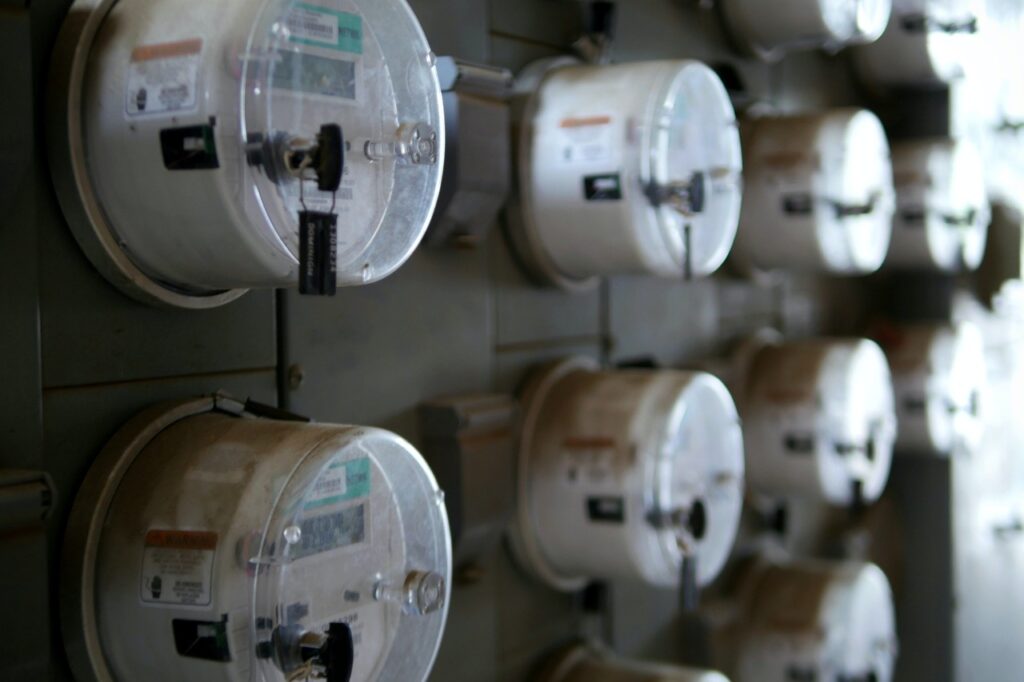

Understanding the business electricity meter installation cost is crucial for any company planning a new energy connection, upgrading meters, or switching suppliers. With rising energy prices, stricter UK compliance rules, and the increasing importance of accurate energy monitoring, businesses need to know what influences installation costs. This comprehensive guide explains the costs, strategies to reduce them, and tips for getting the best deals for your site. Whether you operate a small office or a large industrial facility, knowing your expected installation costs helps you budget effectively and avoid unexpected charges.
What Determines Business Electricity Meter Installation Cost?
The business electricity meter installation cost varies significantly depending on several factors, and many businesses underestimate how each element contributes to the final price. Meter type, site complexity, engineering requirements, and regulatory compliance all influence costs. In addition, regional differences in the UK and the level of labour needed for installation play a major role. By understanding these factors in advance, companies can make informed decisions, avoid costly mistakes, and plan their energy management strategy effectively. This knowledge also allows businesses to choose the right meter for their energy consumption patterns, ensuring accurate billing and efficient monitoring.
Type of Business Electricity Meter
The meter type significantly impacts meter installation cost. Choosing the right meter ensures long-term savings and efficiency. The main types include:
-
Standard AMR meters: Simple and cost-effective, ideal for small offices
-
Smart meters (SMETS2): Offer real-time tracking, remote reading, and efficiency benefits
-
Half-hourly meters: Required for large energy users or high-load businesses
-
Three-phase meters: Designed for industrial sites with heavy electricity demands
-
Advanced commercial smart systems: Complex multi-site installations with integrated monitoring
Selecting the right meter prevents overspending on features your business may not need while ensuring regulatory compliance and reliable data collection.
Size and Complexity of the Business Site
The size and complexity of a site directly affect business electricity meter installation cost in UK. Larger or multi-unit locations generally require more resources and longer installation time. Key considerations include:
-
Number of units, floors, or departments needing separate meters
-
Type of equipment and machinery with high energy consumption
-
Multi-site operations requiring coordinated meter installations
-
Site accessibility and any infrastructure challenges
-
Potential requirement for additional cabling or electrical upgrades
Understanding these elements helps businesses estimate costs accurately and prevents unforeseen charges during installation.
UK-Specific Regulations and Compliance
Compliance requirements significantly influence installation costs and must be factored into budgeting. In the UK, certain businesses are required to install smart or half-hourly meters, and failure to comply may lead to fines or inefficiencies. Key points to consider include:
-
Energy reporting regulations for high-consumption businesses
-
Mandatory half-hourly data collection for specific commercial sites
-
Meter accuracy certification and verification
-
Compliance with Health & Safety standards
-
Regional variations in regulatory costs
By following UK regulations, businesses ensure their meter installation is both legal and cost-efficient.
Labour and Engineering Charges
Labour and engineering fees form a significant part of the business electricity meter installation cost in 2026. These charges cover the work required for a safe and compliant installation. Important factors include:
-
Engineer site visits for meter installation
-
DNO involvement for connection approvals
-
Labour hours for wiring, commissioning, and testing
-
Additional costs for specialised equipment or complex installations
-
Travel and scheduling fees for multi-site projects
Planning for these fees early ensures accurate budgeting and prevents unexpected delays.
Typical Price Range for Business Electricity Meter Installation
The cost of installing a business electricity meter depends on meter type, site complexity, and location. Standard installations for small businesses are relatively inexpensive, while large industrial sites may require substantial investment. Regional differences in the UK, the type of meter selected, and whether infrastructure upgrades are needed all contribute to the final price. By understanding typical ranges, businesses can budget effectively and make informed decisions about meter selection, ensuring they get a reliable business electricity meter installation cost while avoiding overspending.
Small to Medium Business Meter Installation
For small and medium-sized businesses, costs vary according to meter complexity. Typical price ranges are:
-
Small office or retail site: £150–£450
-
Medium business: £400–£1,200
-
Smart meter upgrade: £0–£200 (often subsidised)
-
Installation time: 1–2 hours for simple setups
-
Additional minor fees for data services or commissioning
These prices allow smaller businesses to install meters without large upfront investments while gaining accurate energy tracking.
Large Business or Industrial Sites
Large commercial and industrial sites require more complex setups, which increase new business electricity meter installation cost. Key factors include:
-
Multiple meters for high-load equipment: £1,000–£3,500+
-
Multi-site installations: £2,000–£8,000
-
Infrastructure upgrades (cabling, distribution boards, fuse replacements)
-
Additional DNO and engineering charges
-
Commissioning and testing for accuracy
Budgeting for these costs ensures large businesses remain compliant and maintain efficient electricity monitoring.
Regional Differences in the UK
The business electricity meter installation cost UK is influenced by regional factors. Labour rates, local DNO charges, and site accessibility vary across cities. Key differences include:
-
Higher installation costs in London and South East
-
Lower average costs in Northern regions
-
Travel fees for remote or multi-site projects
-
Local compliance or regulatory variations
-
Regional availability of specialised engineers
Considering these regional differences helps businesses plan budgets accurately and select the right suppliers.
Smart Meter vs Standard Meter Costs
Smart meters generally cost slightly more upfront but provide long-term savings. Advantages include:
-
Real-time usage monitoring for better energy management
-
Remote meter readings reducing manual visits
-
Improved billing accuracy
-
Enhanced compliance reporting
-
Potential long-term cost savings on energy usage
Investing in smart meters ensures businesses have accurate data for cost control and efficiency.
How to Reduce Your Business Electricity Meter Installation Cost
Reducing installation costs requires strategic planning, understanding meter options, and selecting suppliers wisely. By taking the right steps, businesses can lower upfront fees and avoid unexpected charges. Coordinating with DNOs and comparing quotes also helps ensure a reliable business electricity meter installation cost.
Choosing the Right Meter Type
Selecting the correct meter type prevents unnecessary expenditure. Consider:
-
Evaluating annual energy consumption
-
Avoiding oversized meters for small sites
-
Accounting for future growth and equipment
-
Ensuring compliance with UK regulations
-
Choosing smart meters for efficiency benefits
Right-sizing the meter reduces installation costs and long-term energy expenses.
Compare Supplier Quotes
Obtaining multiple quotes allows businesses to understand cost variations. Key points to compare include:
-
Installation fees and meter hardware costs
-
DNO and commissioning charges
-
Ongoing data or rental fees
-
Supplier reliability and service reviews
-
Potential free or subsidised options
Comparing suppliers ensures the best meter installation cost and avoids hidden charges.
Coordinate with Your DNO
Efficient coordination with the DNO ensures fast meter installation and avoids delays. Important steps include:
-
Confirm MPAN/MPRN allocation early
-
Provide accurate load assessments and diagrams
-
Ensure clear site access for engineers
-
Pre-approve required electrical upgrades
-
Schedule visits to minimise downtime
Early coordination helps businesses save time and reduce labour costs.
Hidden Costs to Watch For in 2026
Additional costs may affect the total business electricity meter installation cost in 2026. Accounting for these ensures accurate budgeting.
Electrical Upgrades and Infrastructure
Older sites may require upgrades to support new meters. Typical costs include:
-
Fuse replacements for safety compliance
-
Cabling upgrades for higher load capacity
-
Distribution board replacements
-
Earthing and bonding improvements
-
Additional isolators or switchgear
These upgrades ensure safe and compliant installations.
Ongoing Data and Rental Charges
Some meter types have recurring fees. Common ongoing costs include:
-
Monthly meter rental fees
-
Data collection and handling charges
-
Remote communication and monitoring fees
-
Half-hourly reporting fees
-
Maintenance or calibration services
Budgeting for these charges prevents surprises after installation.
Case Studies: Business Electricity Meter Installation Cost in Action
Small Retail Shop in Manchester
-
Standard meter installed: £350
-
Installation completed in 2 hours
-
Improved annual monitoring, avoided overcharging
Medium Industrial Facility in Birmingham
-
3 half-hourly meters installed: £1,200
-
Infrastructure upgrades: £600
-
Long-term savings ~10%
Multi-site Office in London
-
Smart meters for 5 sites: £3,500
-
Coordinated DNO scheduling reduced labour charges
-
Enabled real-time consumption tracking
These examples show the impact of site size, meter type, and complexity on new business electricity meter installation cost.
FAQs
Q1: How much does a business electricity meter installation cost in the UK?
£150–£450 for small sites; £400–£3,500+ for large or multi-site setups.
Q2: Can installation be free or subsidised?
Some suppliers offer free smart meter installation. Experts like PriceBuddy can help identify eligible options.
Q3: What type of meter is best for long-term savings?
Smart meters or half-hourly meters are most efficient due to monitoring and billing accuracy.
Q4: How long does installation take?
Small sites: 1–2 hours; multi-site or industrial sites: 0.5–1 day.
Q5: Are there ongoing fees?
Certain meters include rental, data collection, and communication fees.
Conclusion
The business electricity meter installation cost depends on meter type, site size, regulatory compliance, and location. By planning ahead, selecting the right meter, comparing suppliers, and coordinating with the DNO, businesses can reduce upfront costs and improve long-term energy efficiency