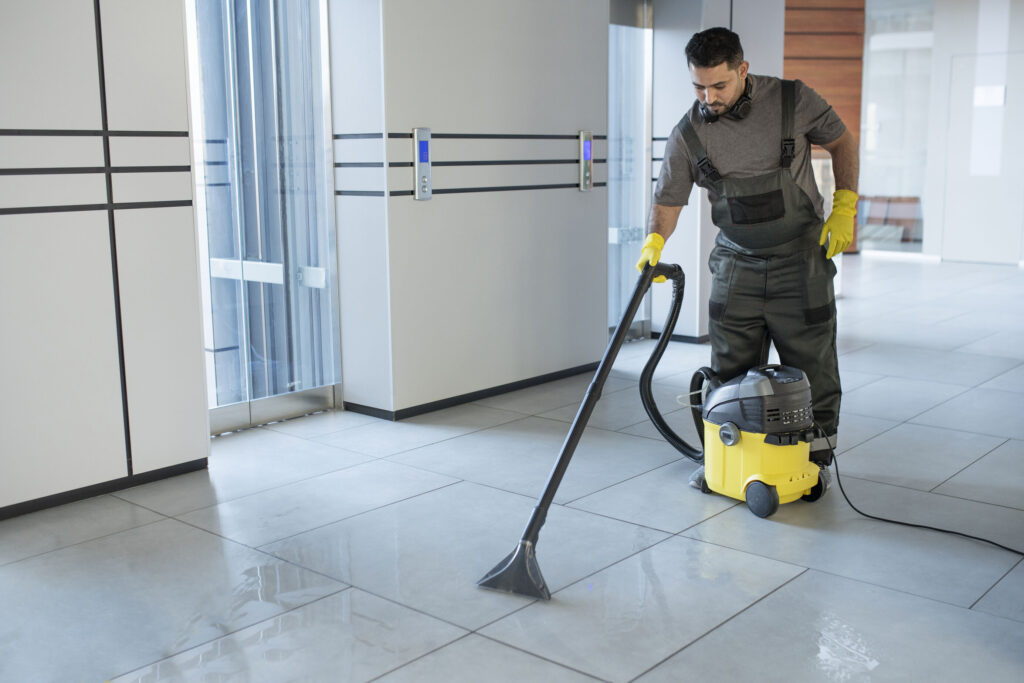

In recent years, businesses have increasingly prioritised sustainability and environmental responsibility. One significant area where this shift is evident is in office cleaning practices. Madani cleaning service believes that implementing eco-friendly cleaning strategies not only benefits the environment but also promotes a healthier workplace for employees and visitors alike.
Why Eco-Friendly Cleaning Matters
Traditional cleaning methods often rely on harsh chemicals that can be harmful to both humans and the environment. Prolonged exposure to these substances may cause respiratory issues, skin irritation, or allergies among staff. Moreover, many conventional cleaning products contribute to water pollution and landfill waste.
By adopting eco-friendly cleaning practices, offices can:
- Reduce environmental impact: Less harmful chemicals mean cleaner waterways and soil.
- Improve indoor air quality: Natural cleaning agents reduce toxic fumes and odours.
- Enhance employee health and well-being: A safer workspace reduces sick days and boosts morale.
- Support sustainability goals: Aligns the business with eco-conscious corporate values.
Key Eco-Friendly Cleaning Practices
1. Use Biodegradable Products in Office Cleaning
A cornerstone of eco-friendly cleaning is the use of biodegradable products in office cleaning. These products are designed to break down naturally without leaving harmful residues in the environment. Switching to biodegradable cleaners can significantly reduce your office’s chemical footprint while still providing effective sanitation. When selecting products, consider:
- Ingredients derived from natural sources such as citrus, vinegar, or plant-based surfactants.
- Certifications such as EU Ecolabel, EcoLogo, or Green Seal.
- Multi-purpose formulations to reduce the number of different products used.
2. Adopt Microfibre Cleaning Materials
Microfibre cloths and mops are highly effective at removing dust and bacteria with minimal water and cleaning agents. Benefits include:
- Reduced need for harsh chemicals.
- Longer-lasting cleaning tools that are machine washable.
- Enhanced cleaning efficiency, capturing microscopic dirt that conventional cloths may miss.
3. Implement Waste Reduction Strategies
Eco-friendly cleaning isn’t just about the products you use—it’s also about managing waste responsibly. Offices can:
- Provide clearly marked recycling bins for paper, plastic, and metals.
- Encourage staff to use reusable cups, plates, and utensils.
- Opt for refillable dispensers for hand soap and sanitiser.
4. Minimise Water and Energy Usage
Conserving resources is a vital part of sustainable cleaning. Strategies include:
- Using water-efficient cleaning methods such as damp mopping instead of constant rinsing.
- Choosing energy-efficient vacuums and cleaning equipment.
- Scheduling cleaning during off-peak hours to reduce electricity consumption.
5. Prioritise Natural Ventilation
Proper ventilation supports both eco-friendly practices and staff well-being. Cleaning with strong chemicals can release fumes, so offices should:
- Open windows when possible during cleaning.
- Use air purifiers with HEPA filters to reduce allergens and improve air quality.
- Limit the use of aerosol sprays in favour of environmentally safe alternatives.
6. Train Cleaning Staff on Sustainable Practices
An eco-friendly approach is only effective if staff are well-informed. Training should cover:
- Correct use and dilution of biodegradable cleaning products.
- Efficient cleaning techniques to minimise waste and chemical usage.
- Safe handling of cleaning agents to prevent accidents and contamination.
7. Regularly Review and Update Practices
Sustainability is an ongoing process. Offices should:
- Conduct audits of cleaning procedures to identify areas for improvement.
- Stay informed about new eco-friendly products and technologies.
- Gather feedback from employees on the effectiveness and comfort of cleaning practices.
Conclusion
Adopting eco-friendly cleaning practices in offices is more than a trend—it’s a responsible choice for both people and the planet. By using biodegradable products in office cleaning, minimising waste, conserving resources, and educating staff, businesses can create a healthier and more sustainable workplace. The cumulative benefits extend from improved indoor environments to a positive corporate image that aligns with modern environmental standards.
FAQs
- What are biodegradable cleaning products?
Biodegradable cleaning products are made from natural ingredients that break down safely in the environment, leaving no harmful residues.
- Can eco-friendly cleaning be as effective as traditional methods?
Yes, with proper techniques and quality products, eco-friendly cleaning can achieve the same level of sanitation without harmful chemicals.
- How often should offices review their cleaning practices?
Ideally, offices should review cleaning procedures every 6–12 months to ensure they remain effective and sustainable.
- Are microfibre cloths really better for the environment?
Yes, microfibre cloths reduce water and chemical use and are reusable, making them more sustainable than disposable alternatives.
- Can eco-friendly cleaning improve employee health?
Absolutely. Reduced exposure to harsh chemicals lowers the risk of respiratory problems, allergies, and skin irritation.