
There is a profound psychological phenomenon known as the “IKEA Effect.” It states that people place a disproportionately high value on products they partially created themselves. If assembling a flat-pack bookshelf can give you a sense of pride, imagine the satisfaction of tiling your own bathroom, installing a smart lighting system, or laying down a solid oak floor.
Renovating a home is more than just a construction project; it is a journey of self-discovery. It tests your patience, your budget, and your problem-solving skills. However, the line between a “dream home” and a “money pit” is often drawn before the first hammer is swung. It lies in the preparation.
If you are considering taking the DIY leap this year, here is a strategic roadmap to ensure your renovation adds value to your property—and your life—without costing you your sanity.
1. The Strategy: “Measure Twice, Cut Once” Applied to Life
The biggest mistake amateur renovators make is rushing into the “fun part” (buying paint and furniture) before addressing the “boring part” (infrastructure and layout).
Before you buy a single tool, you need a Master Plan. This involves:
-
The Sequence of Work: Never paint before you sand the floors. Never tile before you check the plumbing. The general rule of thumb is: Demolition -> Systems (Electrical/Plumbing) -> Walls/Ceilings -> Flooring -> Finishes.
-
The Budget Buffer: Calculate what you think the renovation will cost, then add 20%. This isn’t pessimism; it’s realism. You will always find a hidden pipe that leaks or a subfloor that needs leveling.
2. Bridging the Knowledge Gap
In the age of information, ignorance is a choice. However, the internet is flooded with contradictory advice. One YouTuber says to use a specific primer; another says it’s a waste of money. Who do you trust?
Successful DIY requires structured learning. You need to understand not just how to do something, but why it works that way. Understanding the physics of thermal insulation or the color temperature of light bulbs (Kelvin) can completely change how you approach a room.
This is where dedicated resource hubs become invaluable. Instead of relying on random 30-second clips, you should look for comprehensive guides that deep-dive into specific topics. For instance, platforms like Apro.bg offer extensive articles that bridge the gap between amateur enthusiasm and professional standards. Whether you are trying to understand the difference between laminate and parquet, or you need a guide on how to properly light a room to avoid eye strain, having a reliable “digital handbook” is essential for avoiding costly mistakes.
3. The “Smart” Renovation
We are living in 2026, and a renovation that doesn’t account for technology is already obsolete. “Smart Home” features are no longer just for tech geeks; they are standard expectations for comfort and energy efficiency.
The best time to make your home smart is during the renovation phase.
-
Neutral Wires: If you are rewiring, ensure you have a neutral wire in your switch boxes. This allows you to easily install smart relays (like Shelly or Sonoff) later without changing your physical switches.
-
Zoned Heating: Instead of heating the whole house, plan for smart thermostatic valves on radiators.
-
Connectivity: Think about where your router will sit. Concrete walls block Wi-Fi signals. Now is the time to run an Ethernet cable to the living room or home office.
4. Knowing Your Limits (The DIY vs. Pro Line)
Part of being a smart DIYer is knowing when not to do it yourself.
-
Do it yourself: Painting, installing laminate flooring, changing light fixtures, assembling furniture, landscaping, and basic tiling.
-
Call a Pro: Main electrical panel work, moving gas lines, and structural changes (knocking down walls).
There is no shame in outsourcing the dangerous stuff. In fact, doing so allows you to focus your energy and budget on the finishes that you will actually see and touch every day.
5. The Emotional Resilience
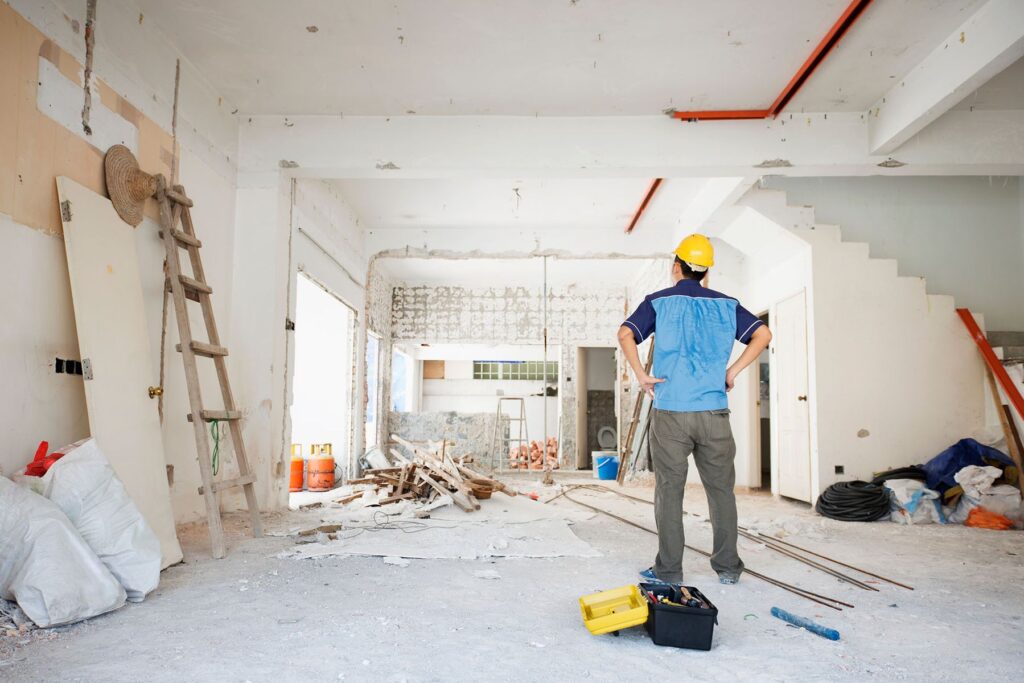
Finally, be prepared for the “messy middle.” There will come a point in every renovation where the house is covered in dust, you are tired, and nothing seems to fit. This is normal.
Focus on the micro-wins. Did you successfully install one shelf today? Celebrate it. Did you figure out how to wire a two-way switch? That’s a victory.
Conclusion
Renovating your home is one of the most rewarding things you can do. It transforms a cold, generic space into a personal sanctuary that reflects your personality. By arming yourself with the right tools, a realistic plan, and high-quality educational resources, you can turn a daunting project into a masterpiece.
So, roll up your sleeves. Your dream home is waiting for you to build it.