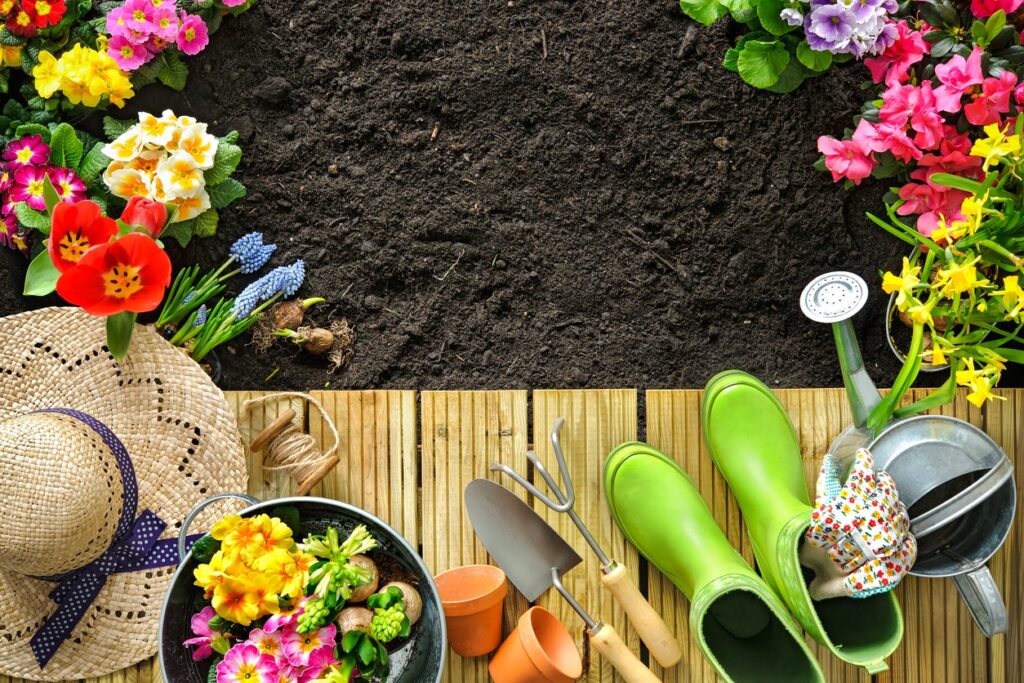

As the last frost melts away and the days grow longer, every homeowner looks out the window with a mix of excitement and dread. The excitement comes from the promise of blooming flowers and summer barbecues. The dread comes from the reality of what winter has left behind: a chaotic mix of dead leaves, overgrown hedges, mossy patios, and a lawn that looks more like a brown carpet than a green oasis.
Restoring a garden after winter isn’t just about “tidying up.” It is a biological reset button. Done correctly, early spring maintenance sets the stage for healthy growth, pest resistance, and vibrant colors throughout the year.
However, the difference between a weekend of back-breaking labor and a satisfying project often comes down to one thing: using the right equipment.
Here is your comprehensive, step-by-step roadmap to waking up your garden.
1. Waste Management: Clearing the Canvas
Before you can plant or mow, you must clear the debris. Layers of wet leaves left on the grass can lead to fungal diseases and rot. But instead of just bagging everything for the landfill, think about sustainability.
-
The Problem with Bulk: Pruning trees and clearing bushes creates a massive volume of waste.
-
The Solution: A Garden Shredder (Chipper). Instead of making ten trips to the dump, use a shredder to turn branches and twigs into wood chips. This “brown gold” is excellent for mulching flower beds, suppressing weeds, and retaining soil moisture. It’s the first machine that pays for itself by providing free mulch.
2. Tree and Hedge Surgery
Early spring (before the sap rises fully and buds break) is the critical window for pruning. This encourages vigorous new growth and helps shape the plant.
-
Hedges: Use a sharp Hedge Trimmer. If your hedges have become “leggy” (thin at the bottom) over winter, cut them into an ‘A’ shape—slightly wider at the bottom than the top. This allows sunlight to reach the lower branches, ensuring a dense, green wall from top to bottom.
-
Trees: For thicker branches damaged by winter storms, a small Chainsaw is essential. Always prioritize safety: remove dead wood first (deadwooding) and crossing branches that rub against each other, as these can create wounds where disease enters.
3. The Lawn: More Than Just Mowing
The lawn is the centerpiece of most gardens, and it suffers the most during winter. Many people make the mistake of simply running a mower over it in March. To get a golf-course finish, you need a deeper approach.
Step A: Scarifying (Dethatching)
Over time, a layer of dead grass, moss, and roots (thatch) builds up on the soil surface, blocking water and fertilizer. Use a Scarifier or a rake to vigorously remove this layer. The lawn will look terrible immediately after—like a battlefield—but this is necessary for it to breathe.
Step B: Aeration
Compacted soil suffocates roots. An Aerator punches small holes in the ground, allowing oxygen to reach the root system. This is crucial for drainage and preventing waterlogging.
Step C: The First Cut
When you finally bring out the mower, set the blades to the highest setting. Cutting the grass too short too early (“scalping”) shocks the plant and encourages moss growth.
This is also the moment to assess your arsenal. A dull mower blade tears the grass rather than slicing it, causing the tips to turn brown. Furthermore, the type of power source matters. Battery-operated tools have become incredibly powerful and quiet, perfect for urban environments, while petrol remains king for large estates.
If your current setup is outdated or struggling, it might be time for an upgrade. Finding a reliable supplier is key. For example, specialized retailers like Mashini-Instrumenti offer a vast selection of professional garden machinery—from heavy-duty aerators to precise robotic mowers—ensuring you have the right tech to tackle any terrain.
4. Soil Preparation: The Vegetable Patch
If you plan to grow your own tomatoes or peppers, your soil is likely hard and compacted from the cold.
-
Don’t break your back: Digging by hand with a spade is exhausting.
-
Use a Tiller/Cultivator: These machines churn the soil, breaking up clumps and mixing in compost or manure effortlessly. A well-tilled bed allows delicate roots to penetrate deep into the ground, resulting in stronger, more productive plants.
5. Hardscaping: The Power of Pressure
Finally, look at the non-living parts of your garden. Patios, decks, and driveways are likely covered in a slippery film of green algae and grime.
A High-Pressure Washer is the most satisfying tool in the shed. It can strip away months of dirt in seconds.
-
Pro Tip: Be careful with wooden decks. Use a lower pressure setting and a wide spray nozzle to avoid damaging the wood fibers. For stone patios, a rotary surface cleaner attachment prevents dirty water from splashing onto your freshly painted walls.
Conclusion
Spring gardening shouldn’t feel like a chore. It is an act of creation. By breaking the work down into stages and employing the correct machinery—shredders for waste, tillers for soil, and sharp mowers for the grass—you transform hard labor into a refined process.
Take the time to prep your tools now, and your garden will reward you with a lush, healthy sanctuary for the rest of the year.