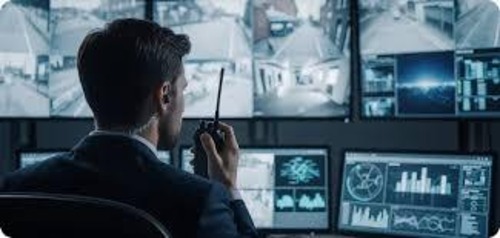

Operating across multiple locations introduces a level of complexity that traditional oversight methods cannot handle on their own. Leaders are expected to understand what is happening on sites they cannot physically visit every day, sometimes every hour. This challenge has driven widespread adoption of remote monitoring as a practical way to maintain visibility, accountability, and operational awareness around the clock.
Whether managing construction sites, warehouses, retail locations, or critical infrastructure, businesses need consistent insight into activity, safety conditions, and asset status. Without that visibility, issues often surface only after they have already caused delays, losses, or safety incidents.
The Visibility Gap Created by Multi Location Operations
As businesses expand geographically, direct supervision becomes less realistic. Managers cannot be present everywhere, and relying on manual updates or phone calls creates delays and blind spots. Information often arrives late, incomplete, or filtered through multiple layers.
This visibility gap affects decision making. When leaders lack timely insight, responses slow down, risks increase, and coordination suffers. Small issues can escalate simply because no one noticed them early enough.
Remote video monitoring helps close this gap by providing continuous access to site level information. Instead of waiting for reports, decision makers can observe conditions as they develop and act with greater confidence.
Why Real Time Awareness Matters Beyond Security
Monitoring is often associated only with security, but modern operational environments demand much more. Businesses need to understand how spaces are being used, whether workflows are progressing as planned, and if safety protocols are being followed.
Live video monitoring supports operational awareness by delivering context, not just alerts. Leaders can see patterns, identify inefficiencies, and recognize early warning signs that something is off. This insight supports proactive management rather than reactive problem solving.
In environments where downtime or safety incidents carry high costs, constant awareness becomes a strategic advantage.
How Remote video Monitoring Supports Daily Operations
At its core, remote monitoring enables centralized visibility across distributed locations. This allows teams to maintain oversight without constant physical presence.
Common operational benefits include:
- Awareness of after hours activity without relying on on site staff.
- Confirmation that sites are secured at the end of each workday.
- Early detection of unauthorized access or unusual movement.
- Verification that equipment and materials remain where expected.
- Insight into site readiness before crews arrive.
These capabilities reduce uncertainty and help managers allocate attention where it is most needed.
Reducing Reliance on Manual Reporting
Manual reporting has long been a weak point in multi location operations. Updates depend on availability, accuracy, and consistency of staff. Even well intentioned teams can miss details or delay communication.
Remote video monitoring reduces dependence on manual updates by offering direct visibility. Managers no longer need to ask whether a gate was closed, a site was vacated, or equipment was moved. They can confirm conditions themselves.
This shift also reduces friction between teams. Fewer follow ups are needed, and conversations can focus on solutions rather than clarifying what already happened.
Improving Response Time When Issues Arise
Time is often the most critical factor when responding to operational issues. Delays increase costs and risks, especially during off hours when fewer staff are present.
With remote monitoring in place, businesses can respond as soon as anomalies appear. This might involve contacting on-call staff, coordinating with security services, or adjusting schedules before problems escalate.
Faster response reduces damage, limits downtime, and improves overall resilience across operations.
Supporting Safety and Compliance Efforts
Safety oversight becomes more difficult as sites multiply. Ensuring compliance with protocols requires consistent observation, not occasional checks.
Remote monitoring supports safety by enabling continuous observation of high risk areas. Managers can verify that access controls are respected, hazardous zones remain restricted, and procedures are followed even when supervisors are not physically present.
Over time, this visibility also supports better training and process improvement. Patterns of unsafe behavior can be identified and addressed before incidents occur.
Enabling Smarter Resource Allocation
Without clear visibility, resources are often allocated based on assumptions. Managers may send staff to sites unnecessarily or overlook areas that need attention.
Remote video monitoring provides the insight needed to prioritize effectively. If a location shows no activity, resources can be redirected elsewhere. If unexpected movement appears, attention can shift immediately.
This flexibility improves coordination and reduces wasted effort across operations.
Maintaining Oversight During Off Hours
Many operational risks emerge outside standard working hours. Theft, vandalism, unauthorized access, and equipment misuse often occur when sites are unattended.
Remote video monitoring extends oversight beyond the workday. Businesses can remain aware of activity at all hours without staffing sites overnight. This continuous presence acts as both a deterrent and an early warning system.
Knowing that sites are monitored also provides peace of mind for leadership teams responsible for multiple locations.
Building Trust Through Transparency
Visibility fosters accountability. When teams know that activity is observable, expectations become clearer and compliance improves.
Remote video monitoring supports transparency without constant intervention. It creates a shared understanding of site conditions that reduces disputes and misunderstandings.
This transparency can strengthen trust between management and field teams by aligning everyone around the same source of information.
Scaling Oversight Without Adding Complexity
Growth often strains existing oversight models. Adding more locations typically requires more supervisors, more reporting, and more coordination.
Remote video monitoring allows oversight to scale without proportionally increasing complexity. Centralized systems support broader visibility while maintaining manageable workflows.
This scalability makes live monitoring especially valuable for growing businesses that need control without excessive overhead.
Integrating Monitoring Into Broader Operational Strategy
Monitoring is most effective when treated as part of a broader operational strategy rather than a standalone tool. Insights gained from monitoring should inform planning, scheduling, and risk management.
Businesses that integrate monitoring data into daily decision making gain a clearer picture of how operations actually function. This clarity supports continuous improvement and more informed leadership.
As organizations mature, monitoring often becomes a foundational element of operational intelligence.
Conclusion
Maintaining awareness across multiple locations is no longer optional for modern businesses. Without consistent visibility, risks multiply and decision making suffers. Remote monitoring provides a practical solution by delivering continuous insight into site activity, safety conditions, and operational status.
By reducing reliance on manual reporting, improving response time, and extending oversight beyond traditional hours, remote video monitoring strengthens operational control. It allows leaders to stay informed, act decisively, and manage growth with confidence.
For organizations seeking clarity across distributed environments, remote video monitoring offers a reliable path toward better awareness, stronger accountability, and more resilient operations.