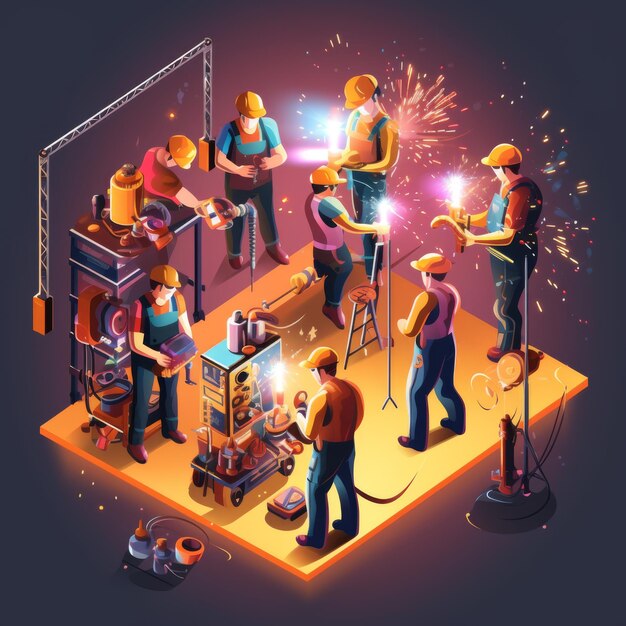

Occupational Health and Safety Excellence
I. Introduction to ISO 45001 Training
ISO 45001 Training is one of the most important learning programs for professionals who are responsible for workplace health and safety. As organizations grow and industries evolve, risks also increase—making safety management a crucial priority. ISO 45001 provides a strong framework that helps companies identify hazards, minimize risks, and protect employees. Training programs teach individuals how to interpret the standard, apply its requirements, and create safer working environments. Whether in manufacturing, construction, logistics, oil and gas, or healthcare, trained professionals ensure that safety systems operate efficiently. ISO 45001 training bridges the gap between theory and real-world safety practices, empowering businesses to prevent accidents and build a strong safety culture.
A. What ISO 45001 Means for Workplace Safety
ISO 45001 is the world’s most recognized Occupational Health and Safety Management System standard. It helps organizations reduce workplace injuries, illnesses, and operational disruptions through a proactive and systematic approach. The standard emphasizes identifying hazards early, evaluating risks, and implementing effective controls. It also focuses on leadership commitment, employee involvement, and continuous improvement. With ISO 45001, companies move beyond compliance—they develop a mindset where safety becomes part of everyday operations. Training professionals in ISO 45001 ensures that organizations have the right skills to interpret requirements, conduct assessments, and maintain safety best practices. This makes the standard a powerful tool for both employee well-being and business sustainability.
B. Importance of Training for Modern Industries
Modern industries face complex safety risks, from heavy machinery and hazardous chemicals to fast-paced operations and changing regulations. ISO 45001 training ensures that employees, supervisors, and safety teams understand how to manage these challenges effectively. Training converts safety policies into practical actions and empowers staff to recognize early warning signs. With clear procedures and trained personnel, companies can reduce accidents, prevent downtime, and avoid costly legal issues.
II. Key Components of ISO 45001 Training
ISO 45001 training covers essential topics that help participants understand how to build an effective Occupational Health and Safety Management System. The training explains risk-based thinking, leadership responsibilities, operational controls, and continual improvement. Participants learn how to identify hazards, evaluate risks, develop safety programs, and implement corrective actions. The training also focuses on communication, documentation, and performance monitoring—ensuring that the system runs smoothly at all levels.
A. Hazard Identification & Risk Assessment
One of the most important parts of ISO 45001 training is learning how to identify hazards and assess risks before they cause harm. Participants are taught to analyze work activities, equipment, materials, and processes to uncover potential dangers. They learn how to use tools like Job Safety Analysis (JSA), Risk Matrices, and Root Cause Analysis. Training also emphasizes evaluating risks based on severity and likelihood, ensuring that organizations address the most critical hazards first. By mastering hazard identification and risk assessment, trained professionals help organizations prevent incidents rather than reacting to them.
B. Worker Participation & Leadership Commitment
ISO 45001 emphasizes the importance of involving both workers and leaders in safety management. Training helps participants understand how to encourage open communication and empower employees to report hazards. When workers participate actively, it becomes easier to detect risks and implement improvements. Leadership commitment is equally important—managers must allocate resources, set safety priorities, and lead by example. Training explains how leaders can integrate safety into business decisions and foster a culture where employees feel valued and protected.
III. Types of ISO 45001 Training Programs
ISO 45001 training is available in different levels to suit various skill sets and job roles. Whether someone is new to occupational health and safety or aiming to become a professional auditor, there is a course designed for them. Foundation training provides basic knowledge of the standard. Internal Auditor training helps individuals assess their organization’s compliance. Lead Auditor training is the most advanced program, preparing professionals to conduct external audits and lead audit teams. Each course includes theory, practical case studies, and assessments to ensure proper understanding.
A. ISO 45001 Foundation Training
Foundation training is perfect for beginners who want to understand the core concepts, requirements, and purpose of ISO 45001. It covers the basics of hazard identification, risk assessment, safety policies, and operational controls. Participants learn the structure of the standard using the High-Level Structure (HLS) format and gain a clear understanding of how safety management systems operate. This course is ideal for employees, supervisors, managers, and members of safety committees. No prior experience is required, making it accessible to anyone looking to improve their knowledge of workplace safety.
B. ISO 45001 Internal Auditor Training
Internal Auditor training is designed for individuals responsible for evaluating their organization’s Occupational Health and Safety Management System. This course teaches essential auditing skills such as planning an audit, creating checklists, conducting interviews, identifying , and writing audit reports. Participants learn how to assess whether the system meets ISO 45001 requirements and identify opportunities for improvement. Internal auditors play a vital role in maintaining compliance and supporting continuous improvement.
IV. Organizational Benefits of ISO 45001 Training
Organizations that invest in ISO 45001 training experience significant improvements in workplace safety, employee morale, and operational performance. Trained individuals help prevent incidents, strengthen risk controls, and maintain compliance with legal requirements. With fewer accidents, companies can reduce downtime, lower compensation costs, and improve productivity. ISO 45001 training also enhances the company’s reputation, making it more attractive to clients, partners, and employees.
A. Reduction in Workplace Accidents
One of the biggest benefits of ISO 45001 training is the reduction of workplace injuries and safety incidents. When employees understand hazards and follow proper safety procedures, accidents become much less frequent. Trained safety professionals can spot potential risks early and implement preventive measures before they cause harm. This proactive approach saves time, money, and resources while protecting employees from harm. Fewer accidents also improve employee morale, as workers feel safer and more confident in their surroundings. Ultimately, ISO 45001 training plays a crucial role in helping organizations achieve safer operations and long-term stability.
B. Compliance with Legal and Regulatory Requirements
Every organization must follow health and safety laws to ensure worker protection. ISO 45001 training helps employees understand regulatory requirements and how to meet them effectively. Trained professionals can identify gaps in compliance, maintain proper documentation, and prepare the organization for inspections and audits. This reduces the risk of penalties, lawsuits, and legal complications. Compliance also enhances trust among clients, government bodies, and stakeholders who value responsible business practices. With ISO 45001-trained staff managing safety processes, organizations can confidently meet legal expectations and maintain a strong safety record.
V. Choosing the Right ISO 45001 Training Provider
Selecting a reliable ISO 45001 training provider is essential for achieving strong learning outcomes and recognized certification. A reputable provider should offer accredited programs, qualified trainers, and industry-recognized certificates. The training should include real case studies, practical exercises, and assessments to ensure deep understanding. It’s also important to choose a provider that offers flexible learning formats such as online, classroom, or blended options. Good training materials, accessible support, and clear guidance throughout the course make the learning experience smooth and effective. Choosing the right provider ensures that participants gain the skills they need to implement ISO 45001 successfully.
A. Accreditation, Trainer Expertise & Global Recognition (≈120 words)
Accreditation is the first indicator of a high-quality training provider. Programs approved by bodies such as IRCA or equivalent ensure global recognition and trust. Trainer experience is equally important—skilled trainers can explain complex concepts clearly, answer technical questions, and share real industry examples. Before enrolling, individuals should check the trainer’s background, certifications, and industry experience. Global recognition ensures that the certificate is accepted by employers worldwide. This helps participants boost their careers and gain credibility in the field of occupational health and safety.
B. Online vs Classroom Training Formats
Different learners have different preferences, so choosing the right training format is important. Online training offers flexibility and convenience, making it ideal for working professionals. Participants can learn at their own pace and from any location. Classroom training, on the other hand, provides in-depth interaction with instructors and hands-on practice. Some providers also offer blended programs that combine both formats. The choice depends on learning style, schedule, and specific needs. A good provider ensures that both online and classroom options deliver the same quality, detailed content, and valuable learning experience.
Conclusion
ISO 45001 training is an important investment for organizations and professionals who want to create safer workplaces and reduce risks. The training provides practical tools, essential knowledge, and globally recognized skills needed to implement an effective Occupational Health and Safety Management System. With proper training, companies can reduce accidents, maintain legal compliance, and build a strong safety culture. For individuals, ISO 45001 certification opens doors to new career opportunities and professional growth. By choosing the right training provider and selecting the appropriate course level, organizations and employees can work together to achieve a safer, more efficient, and more responsible future.