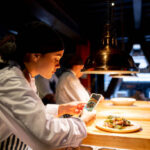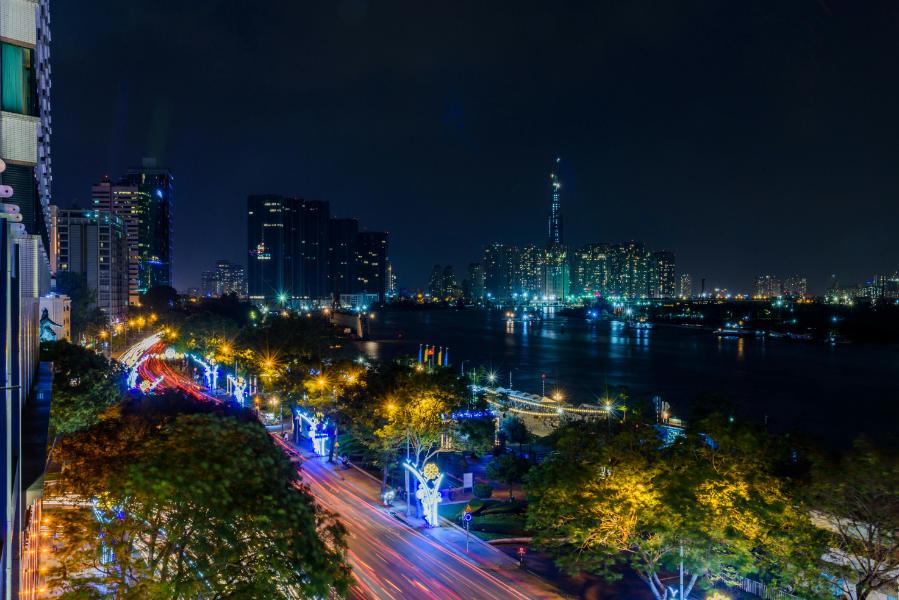

Food-focused travel gets talked about constantly, but Vietnam operates on a different level when it comes to culinary experiences for couples. The country doesn’t just have good food – it builds entire social rhythms around eating that create unexpected romantic moments. Most Vietnam couple tours recognize this now, though not all structure itineraries to actually take advantage of it.
The Street Food Dynamic Changes Everything
Here’s where Vietnam separates itself from typical honeymoon destinations. Romantic dinners usually mean white tablecloths and quiet restaurants. Vietnam flips that completely. The best meals happen on plastic stools at street corners, surrounded by motorbike exhaust and constant noise. Sounds terrible for romance, right?
Actually works better than expected. Shared confusion over menus, figuring out how to eat banh xeo without making a mess, trying to communicate with vendors using hand gestures – these moments create bonding that sterile resort dining never touches. The chaos forces couples to work together and laugh at themselves.
Now, some people hate this. Fair enough. If sitting on tiny stools and sweating through meals sounds miserable rather than charming, Vietnam’s food culture might not click. But for couples who don’t need everything perfectly controlled and curated, the street food element adds something authentic that planned romantic experiences can’t manufacture.
Timing the Food Experiences Gets Tricky
Most Vietnam honeymoon tours pack schedules too tightly for proper food exploration. The best eating requires time – not just for the meals themselves, but for wandering and discovering places randomly. Temple visit at 9am, museum at 11am, lunch at predetermined restaurant at 12:30pm… this structure kills the spontaneous food discoveries that make Vietnam special.
Better approach involves blocking out looser time windows. “Morning in Old Quarter, find lunch somewhere that looks good, afternoon free for whatever.” Sounds vague and poorly planned. Actually works significantly better for food lovers because Vietnam’s culinary scene rewards wandering and flexibility rather than reservations and schedules.
How many days are actually enough for a calm Vietnam honeymoon tours that allows proper food exploration? This question matters more than couples realize initially. Three days feels rushed. Five days works better. Seven to ten days lets you actually slow down and enjoy meals without constantly checking time.
Contrary to popular advice that pushes maximum destination coverage, staying in fewer places for longer periods makes more sense for food-oriented trips. Two days Hanoi, two days Hoi An, two days Ho Chi Minh creates constant packing and transit. Four days Hanoi, four days Hoi An allows developing favorite food spots and returning to them – which honestly feels more honeymoon-appropriate than tourist-style destination hopping.
The Regional Differences Complicate Planning
Northern Vietnam and southern Vietnam serve different cuisines entirely. Not just variations – fundamentally different flavor profiles and cooking styles. Northern food runs subtle and balanced. Southern food goes sweeter and bolder. Central Vietnam (Hue particularly) cranks up spice levels that catch people off guard.
This geographic spread means Vietnam honeymoon packages need enough days to experience multiple regions properly. Seeing Hanoi alone gives incomplete picture of Vietnamese food. Same for only visiting Ho Chi Minh. The food diversity requires movement between regions, which adds travel days that eat into actual eating time.
Worth noting here – the exact number of days needed varies based on how much couples actually care about food versus treating it as background element to sightseeing. For genuine food lovers, figure minimum seven days to hit three regions with enough time for multiple meals daily in each place. Could be different now with flight connections improving, but overland travel between cities still consumes significant time.
Street Markets Versus Cooking Classes
Vietnam honeymoon couple tour packages often include cooking classes. These get marketed heavily as cultural experiences. And look… they’re fine. Educational. Sometimes fun. But they feel somewhat staged compared to just eating your way through a city.
The time spent in cooking classes (usually 3-4 hours including market visit) could instead mean hitting four or five different street food spots. For couples actually passionate about food, the street eating route provides more genuine experience than the packaged class format. This might be an unpopular take, but the cooking classes serve tourists who want controlled cultural exposure more than they serve serious food enthusiasts.
Exception: Hoi An cooking classes work better than most because they incorporate market shopping and usually happen in more authentic settings. But even there, questioning whether the time investment matches the return makes sense.
The Pace Question Keeps Coming Up
Going back to what was mentioned about calm honeymoons – Vietnam’s default tourism pace runs frantic. Itineraries try cramming Ha Long Bay, Sapa, Hanoi, Hue, Hoi An, and Saigon into seven or eight days. Completely unrealistic for food exploration, which requires downtime between eating sessions and flexibility for spontaneous discoveries.
A calm Vietnam honeymoon focused on food needs acceptance that you won’t see everything. Maybe skip Sapa. Maybe skip Ha Long Bay. Spend those days eating slowly through Hanoi’s neighborhoods instead. The fear of missing famous sights runs strong, but for food-lover couples, missing a scenic bay matters less than missing the perfect bowl of bun cha.
Practical reality check: Vietnamese meals happen frequently throughout the day. Breakfast around 7am, second breakfast/snack around 10am, lunch around noon, afternoon snack around 3pm, early dinner around 6pm, late evening food around 9pm. Engaging with this eating rhythm properly requires days structured around food rather than sightseeing with food squeezed between attractions.
Budget Considerations Nobody Mentions
Vietnam honeymoon tours market themselves as affordable compared to European or Japanese options. True for basic costs. But food-focused travel in Vietnam can get expensive quickly if couples want both street food authenticity and occasional upscale dining experiences.
Daily food spending varies wildly. Street meals run ₹150-300 per person. Nice restaurant dinners hit ₹2,000-4,000 per person in major cities. The exact pricing structure isn’t clear without checking current exchange rates, but budget roughly ₹3,000-5,000 daily per couple for eating well without restricting to only cheap options.
Most package pricing focuses on accommodation and transport, treating food as incidental expense. For food-lover couples, flipping this makes more sense – choose moderate hotels and spend the saved money on exceptional meals instead.
So… those cover the main considerations around Vietnam’s food culture for couples and how it affects trip planning. The country rewards slower pacing and food-first scheduling more than most destinations. Whether that appeals depends entirely on if couples value culinary experiences over comprehensive sightseeing.