
Keeping your hot water system running smoothly is essential for modern living. In 2025, hot water replacement isn’t just about swapping old units for new ones. It’s about choosing smarter, greener, and more efficient technologies that save energy, reduce bills, and match how Australians live today. Here’s a clear, easy-to-understand look at the trends and innovations shaping hot water replacement services across Australia.
1. Heat Pump Hot Water Systems Are Becoming the Go-To Choice
One of the biggest trends in hot water replacement is the rise of heat pump hot water systems. These units use heat from the air to warm your water, rather than relying on gas or electric resistance elements. This makes them much more energy efficient, often using up to 70% less energy than traditional electric systems. That means lower running costs and fewer greenhouse gas emissions for your home.
2. Solar Hot Water Systems Still in Demand
Solar hot water systems have been popular in Australia for years, and they continue to be a strong option in 2025. These systems use solar collectors on your roof to capture the sun’s heat and warm your water. Some combine solar with a backup booster (electric or gas) to ensure hot water even on cloudy days. With solar power helping to cut energy bills and reduce carbon emissions, many Australians are choosing these systems when their old hot water units need replacing.
3. Hybrid Hot Water Systems for Flexibility
Not all homes are the same, and hybrid hot water systems are growing in popularity because they combine two technologies to give homeowners the best of both worlds. These systems might blend heat pump technology with traditional electric heating to ensure consistent performance even during peak demand times like morning showers. Hybrid systems are a smart choice for families who want energy savings but also want to avoid running out of hot water during busy times of the day.
4. Smart Technology Integration
Smart hot water systems are becoming more common as homes embrace connected technologies. These systems let you monitor and control your hot water usage through apps or home automation platforms. You can adjust settings remotely, track usage patterns, and even receive alerts if there’s an issue. This kind of connectivity helps homeowners save energy by tailoring hot water heating to actual needs.
5. Space-Saving and Modular Designs
Many modern hot water systems are designed to fit better into today’s homes. Slimline, wall-mounted units take up less space, ideal for apartments, townhouses, or smaller yards. Modular designs also mean parts can be replaced individually, which can lower repair costs and reduce waste in the long term. Smaller, smarter designs make it easier for installers to replace systems quickly and with minimal disruption to your home.
6. Focus on Sustainability and Carbon Reduction
Sustainability is a major trend shaping hot water replacement services in Australia. Homeowners are choosing systems that use renewable energy, reduce greenhouse gas emissions, and rely on recyclable or eco-friendly materials. Government rebates and incentives are also helping more Australians transition to greener options, especially heat pumps and solar hot water systems.
7. Improved Reliability and Longer Warranties
New hot water systems aren’t just smarter, they’re built to last. Manufacturers are offering longer warranties and more durable components, which reduces the need for future replacements or costly repairs. This gives homeowners peace of mind and better long-term value from their investment.
8. Transparent Pricing and Customer-Friendly Options
Customers in 2025 expect clear, easy-to-understand pricing when they’re comparing hot water replacement options. Many suppliers now offer transparent quotes that break down costs clearly. This helps homeowners make better decisions without hidden surprises. Flexible financing or payment options also give more people access to high-efficiency systems, even if the initial price is higher than a basic replacement.
Conclusion
In 2025, hot water replacement services in Australia are more advanced, efficient, and customer-focused than ever before. From heat pump systems and solar-boosted technologies to smart control features and compact designs, homeowners have many innovative choices that save energy and money. These trends reflect a shift toward sustainability, convenience, and future-ready homes.
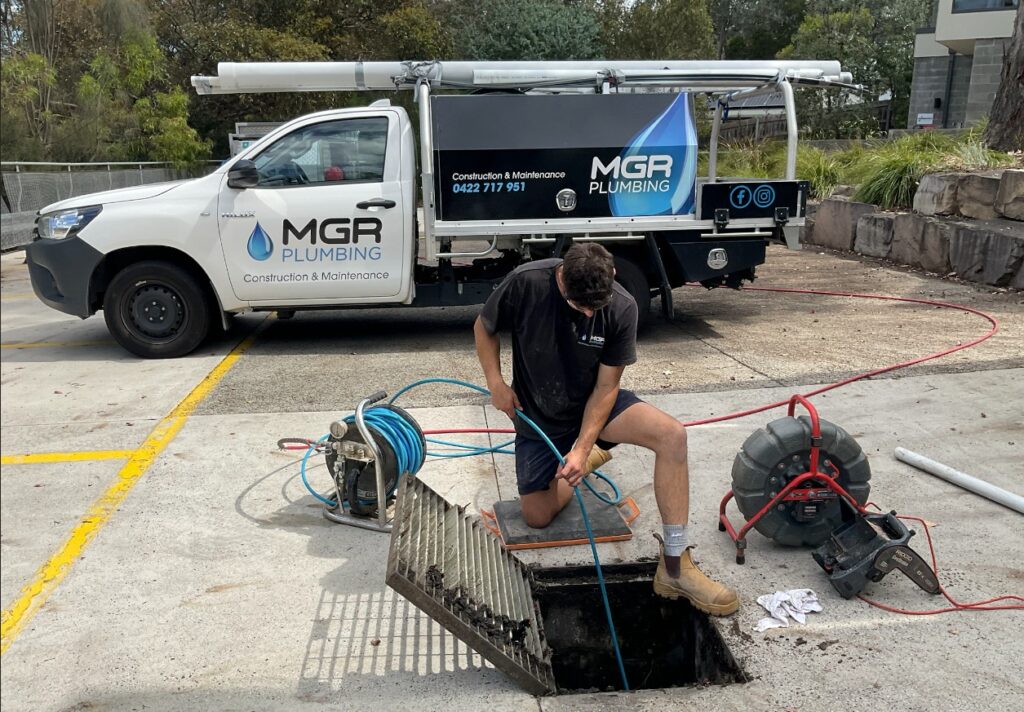
If you’re thinking about your next hot water replacement Melbourne or elsewhere in Australia, it’s worth exploring these options and speaking with experienced professionals. For reliable, professional service and expert advice on choosing the right system for your home, consider talking to the team at MGR Plumbing. They’re experienced in helping households upgrade to the latest hot water solutions with clarity and care. Contact them today to book a consultation or request a quote and enjoy reliable hot water with confidence all year round.