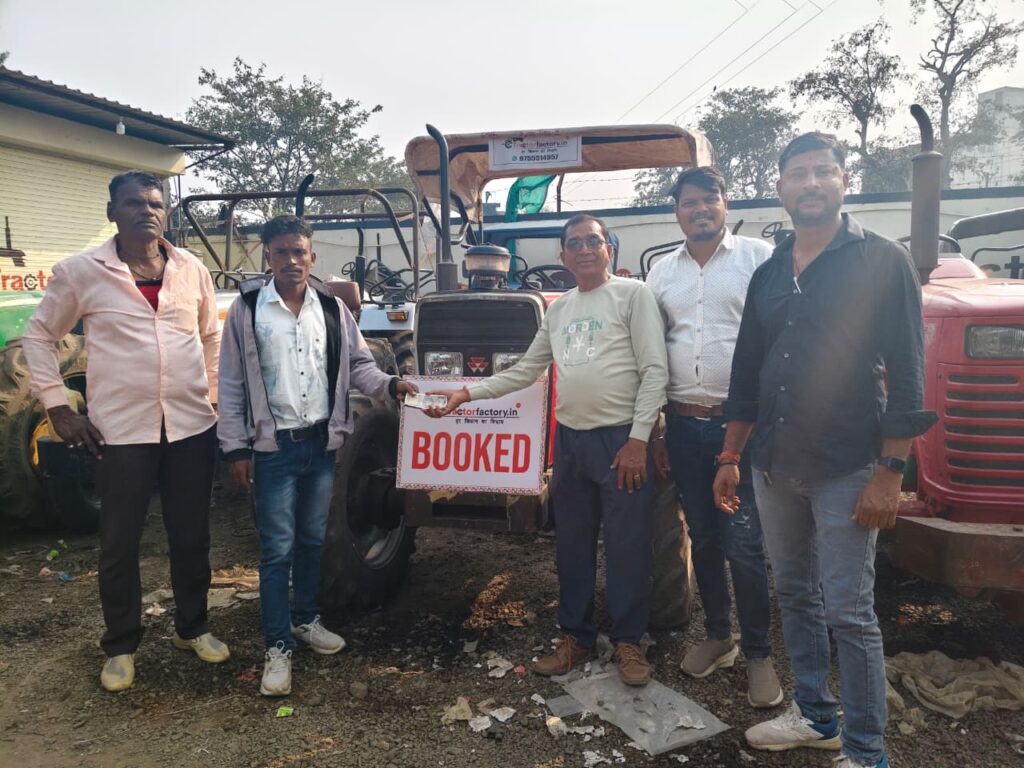

What People Actually Mean When They Say “Seizing Tractor”
On the ground, when farmers or dealers talk about a seizing tractor, they’re rarely talking about an engine locked solid with no oil. Most of the time, they mean a bank seized tractor. A machine taken back because loan payments stopped. I’ve stood in yards where these tractors sit in a line, dust thick on the bonnet, paperwork tied to the steering with string. No polish. No sales talk. Just machines waiting for a second chance.
These tractors come from real farms. Not showrooms. They’ve ploughed fields, hauled trolleys, pulled sugarcane loads at night. Then money got tight. The bank stepped in. That’s how a seizing tractor enters the market.
Why Tractors Get Seized in the First Place
Farming isn’t predictable. One bad monsoon, one medical emergency, one crop price crash, and EMIs slip. Banks don’t enjoy seizing tractors, but rules are rules. After months of default, recovery teams act. The tractor is taken, usually from the owner’s home or field, sometimes peacefully, sometimes not.
What matters for buyers is this: most seized tractors weren’t abandoned because they failed mechanically. They were victims of circumstance. That’s why many still have life left in them.
The Condition You Can Expect, Not the Condition You’re Promised
Let’s be honest. A seizing tractor is rarely serviced on time during the last months before seizure. Owners know the bank is coming. They stop spending on oil changes or filters. Some park the tractor and stop using it. Others keep running it hard till the last day.
So you’ll see everything.
Engines that start clean.
Clutches near the end.
Tyres with uneven wear.
Wiring fixed with tape.
Engine Health in Seized Tractors
I always start with the engine. Always.
Cold start matters. If the seller starts it before you arrive, walk away or come back another day. Listen for knocking. Watch the exhaust. A little smoke is normal. Thick blue isn’t.
Many seizing tractors have engines that are tired, not dead. Rings worn. Injectors dirty. Fixable things. The danger is buying one that was overheated repeatedly. That’s when blocks crack and money disappears fast.
Transmission and Hydraulics Tell a Bigger Story
Gearboxes don’t lie. Hard shifting, jumping gears, whining sounds under load. These signs tell you how the tractor was treated. Hydraulics are just as honest. Lift a heavy implement if you can. Watch for slow drop or jerky movement.
A seized tractor used for rotavator work will show different wear than one used only for trolley hauling. Knowing this saves you thousands later.
Paperwork Is Half the Battle
Never ignore documents. A real seizing tractor comes with bank recovery papers, loan details, and a clear path to RC transfer. If paperwork sounds vague, walk away. I’ve seen tractors sold cheap that later couldn’t be transferred. Cheap turns expensive very fast.
Make sure there’s no pending legal case. No hypothecation left uncleared. Banks usually handle this properly, but middlemen sometimes cut corners.
Where Seized Tractors Are Actually Sold
You won’t always find them on flashy websites. Many are sold through:
Bank yards
Closed auctions
Recovery agents
Local tractor dealers who buy in bulk
Some dealers repaint them. New decals. Fresh tyres on the front. Looks nice, but paint doesn’t fix internal wear. I prefer seeing them before cosmetic work. Dirt tells the truth.
Price Advantage That Makes People Take the Risk
This is why people look for seizing tractors in the first place. Price. You can save 20 to 40 percent compared to regular used tractors. Sometimes more.
For a small farmer or first-time buyer, that difference matters. The key is budgeting for repairs from day one. If you buy cheap and expect perfection, you’ll be disappointed. If you buy cheap knowing some work is coming, you’ll be satisfied.
Hidden Costs Buyers Often Miss
Transport from yard to village.
RC transfer fees.
Insurance renewal.
Battery replacement.
Basic service.
These costs don’t show on auction sheets. Add them before bidding. I’ve seen people win auctions and then struggle to move the tractor home.
Seizing Tractor vs Normal Used Tractor
A normal used tractor comes with stories. Owner history. Sometimes emotional attachment. A seized tractor comes cold. No stories. No sympathy. Just facts.
Used tractors from farmers may be better maintained but priced higher. Seizing tractors are cheaper but need sharper eyes. Neither is automatically better. It depends on your skill and patience.
Who Should Actually Buy a Seized Tractor
Not everyone should.
If you panic at small repairs, avoid it.
If you don’t have a trusted mechanic, think twice.
If downtime will hurt your income badly, be careful.
But if you understand machines, or have support, a seizing tractor can be a solid investment. I’ve seen them work another ten years without drama.
Common Myths That Need to Die
“Seized tractors are always damaged.”
False.
“Banks sell only junk.”
Not true.
“Spare parts won’t be available.”
Depends on the brand, not the seizure.
Brands That Hold Up Better After Seizure
From experience, tractors with simpler mechanical systems survive neglect better. Older Mahindra, Swaraj, Sonalika, and Massey models often bounce back with basic work. Overly electronic systems don’t forgive missed maintenance.
This doesn’t mean newer models are bad. It just means you must inspect deeper.
Using a Seized Tractor for Commercial Work
If you plan to rent it out or use it daily, invest in a full service immediately. Fluids, filters, clutch check, brakes. Don’t delay. Many seized tractors fail not because they were bad, but because new owners kept pushing without preventive work.
Emotional Side No One Talks About
I’ve met original owners at auctions. Watching their tractor sold. It’s uncomfortable. Remember that when bargaining aggressively with dealers. Machines carry stories. Respect that, even while making smart decisions.
Resale Value of Seizing Tractors
If bought right and repaired properly, resale is strong. Buyers care about condition, not seizure history. Just don’t hide facts. Honest selling builds trust and better prices.
Final Thoughts From the Field
A seizing tractor isn’t a shortcut. It’s a different road. Rougher in places. Cheaper at the start. Demanding of attention. If you walk it with open eyes, it can serve you well.
I’ve seen seized tractors plough fields again, pull harvests, and earn livelihoods. Not because they were lucky purchases. Because someone understood what they were buying.