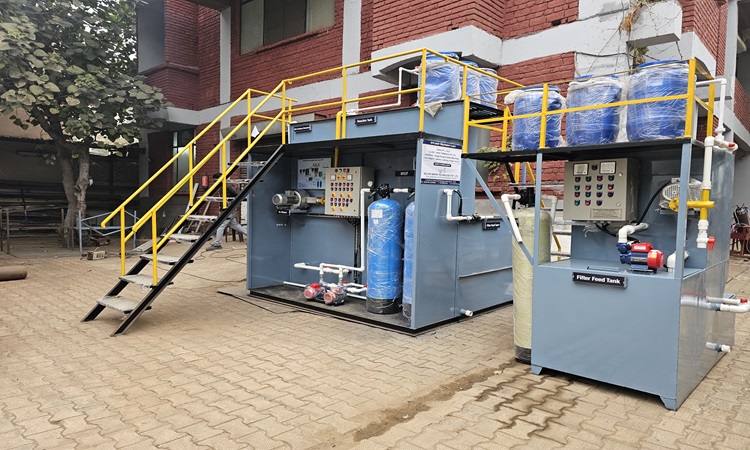

Rapid industrial growth has significantly increased the generation of wastewater containing harmful chemicals, heavy metals, oils, greases, and organic pollutants. If released untreated, this effluent can cause severe damage to water bodies, soil, and human health. An Effluent Treatment Plant (ETP) is designed to treat industrial wastewater and remove contaminants so that the treated water can be safely discharged or reused. Today, ETPs are not only a regulatory requirement but also a critical component of sustainable industrial operations.
What Is an Effluent Treatment Plant?
An Effluent Treatment Plant is a system used to treat wastewater produced by industries such as pharmaceuticals, textiles, chemicals, food processing, dairy, pulp and paper, and refineries. Industrial effluent differs from domestic sewage because it often contains toxic substances, high BOD and COD levels, oils, heavy metals, and complex chemical compounds.
The main purpose of an ETP is to reduce pollutant concentration in wastewater and ensure compliance with environmental standards set by authorities such as the Central Pollution Control Board (CPCB) and State Pollution Control Boards.
Why Are Effluent Treatment Plants Important?
Effluent Treatment Plants play a crucial role in protecting the environment and public health. Discharging untreated industrial effluent can contaminate rivers, groundwater, and agricultural land. ETPs help industries:
- Prevent water pollution
- Meet legal and environmental compliance
- Reduce health hazards
- Promote water reuse and conservation
- Improve corporate sustainability and ESG performance
How Does an Effluent Treatment Plant Work?
An ETP operates through multiple treatment stages, each designed to remove specific types of contaminants:
- Preliminary Treatment
Large solid materials like plastics, rags, and grit are removed using bar screens and grit chambers. This protects pumps and downstream equipment.
- Primary Treatment
In this stage, effluent flows into equalization tanks where variations in flow and pollutant concentration are balanced. Oil and grease traps and primary clarifiers are used to remove suspended solids and floating matter.
- Chemical Treatment
Coagulation and flocculation processes are applied to remove fine suspended particles, color, and heavy metals. Chemicals such as alum, ferric chloride, lime, or polymers are added to form flocs that settle easily.
- Biological Treatment
Biological treatment reduces organic pollutants using microorganisms. Common technologies include:
- Activated Sludge Process (ASP)
- Moving Bed Biofilm Reactor (MBBR)
- Sequencing Batch Reactor (SBR)
- Membrane Bioreactor (MBR)
This stage significantly reduces BOD and COD levels in the effluent.
- Tertiary Treatment
Tertiary treatment includes sand filtration, activated carbon filters, and disinfection processes such as chlorination or UV treatment. Advanced ETPs may also use membrane systems like Ultrafiltration (UF) and Reverse Osmosis (RO) for water reuse.
- Sludge Treatment and Disposal
Sludge generated during treatment is thickened, dewatered using filter presses or centrifuges, and disposed of or reused as per regulatory guidelines.
Types of Effluent Treatment Plants
Effluent Treatment Plants are classified based on technology, capacity, and application:
- Conventional ETPs
These plants use traditional physical, chemical, and biological treatment processes and are suitable for industries with stable effluent characteristics.
- Compact and Packaged ETPs
Compact ETPs are pre-engineered systems ideal for small to medium industries with limited space availability.
- Zero Liquid Discharge (ZLD) Systems
ZLD plants treat effluent to recover maximum water and eliminate liquid waste discharge. They are mandatory for certain highly polluting industries.
- Industry-Specific ETPs
Customized ETPs are designed to handle specific wastewater characteristics, such as high salinity, toxic chemicals, or high organic loads.
Applications of Effluent Treatment Plants
ETPs are widely used in:
- Pharmaceutical industries
- Textile and dyeing units
- Chemical and petrochemical plants
- Food and beverage processing units
- Dairy and distillery industries
- Pulp and paper mills
- Tanneries and electroplating units
Benefits of Installing an Effluent Treatment Plant
Installing an efficient ETP provides several benefits:
- Compliance with pollution control regulations
- Protection of natural water resources
- Reduced freshwater consumption through reuse
- Improved workplace safety and hygiene
- Enhanced corporate image and sustainability reporting
- Long-term cost savings on water and disposal
Factors to Consider While Designing an ETP
Key factors influencing ETP design include:
- Effluent flow rate and daily volume
- BOD, COD, TSS, oil, and heavy metal levels
- Required treated water quality
- Availability of space
- Energy consumption and operating cost
- Sludge handling and disposal methods
Role of Automation in Modern ETPs
Modern ETPs are equipped with PLC and SCADA-based automation systems for efficient operation. Automation helps in:
- Real-time monitoring and control
- Reduced manual intervention
- Consistent treatment performance
- Optimized chemical and power usage
- Early fault detection and preventive maintenance
Future Trends in Effluent Treatment Plants
The future of effluent treatment focuses on advanced technologies, water reuse, and energy efficiency. Innovations such as membrane bioreactors, resource recovery, AI-based monitoring, and sustainable sludge management are shaping next-generation ETPs. Industries are increasingly adopting integrated water management systems to reduce environmental impact.
Conclusion
An Effluent Treatment Plant is an essential infrastructure for industries aiming to operate responsibly and sustainably. By treating industrial wastewater effectively, ETPs protect the environment, conserve water, ensure regulatory compliance, and support long-term industrial growth. Investing in a well-designed and efficiently operated ETP is not only a legal obligation but also a commitment to environmental stewardship and sustainable development.