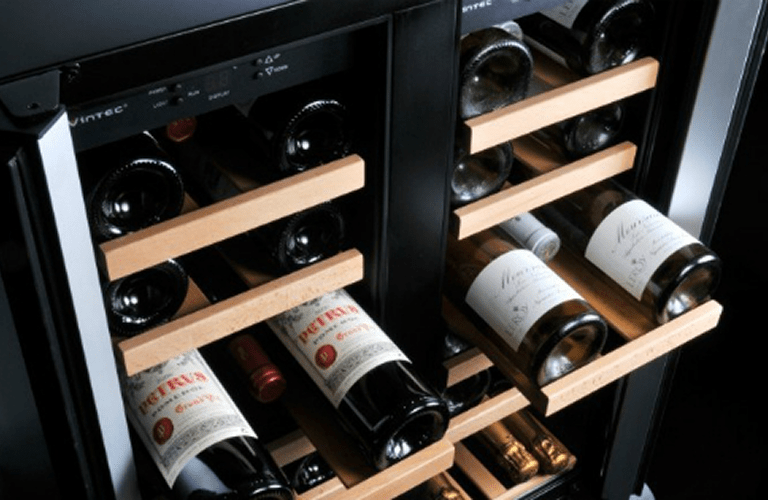

Wine enthusiasts invest in specialized wine fridges to maintain optimal storage conditions for their collections. Unlike regular refrigerators, wine fridges are designed to provide precise temperature and humidity control that preserves wine quality and allows proper aging. When these dedicated appliances malfunction, it puts valuable wine collections at risk and can be particularly frustrating given their specialized nature.
Wine fridges, whether thermoelectric or compressor-based, face unique challenges compared to standard refrigeration units. They operate at warmer temperatures, maintain specific humidity levels, and often feature dual temperature zones for different wine types. Understanding common problems and their solutions helps you protect your investment and keep your wines in perfect condition.
While many wine fridge issues can be resolved with basic troubleshooting, some problems require specialized knowledge of these appliances’ unique cooling systems. When DIY solutions don’t work or you’re dealing with an expensive unit, professional wine fridge repairs ensure your appliance receives expert attention from technicians familiar with wine storage requirements. Let’s explore the ten most common wine fridge faults and how to address them.
1. Wine Fridge Not Cooling Properly
Temperature issues are the most common complaint with wine fridges. First, check that the temperature control is set correctly—ideal wine storage is between 12-14°C, with red wine zones slightly warmer than white wine zones.
Ensure the fridge isn’t placed in direct sunlight or near heat sources like ovens or radiators. Ambient temperature affects performance, especially in thermoelectric models. Check that door seals are intact and the door closes completely. Blocked vents inside the unit can prevent proper air circulation. Remove any bottles blocking vents and ensure there’s adequate space around bottles for air to flow.
2. Excessive Condensation or Humidity
While wine fridges maintain higher humidity than regular refrigerators, excessive condensation indicates a problem. Check door seals for gaps that allow humid room air inside. Frequently opening the door, especially in humid environments, introduces moisture.
Ensure the condensation drain isn’t clogged. Some models have drain holes that can become blocked, causing water to pool inside. Clean these with a pipe cleaner or small brush. If condensation persists, the unit’s humidity control system may be malfunctioning.
3. Wine Fridge Is Too Loud
Thermoelectric wine fridges are generally quieter than compressor models, so loud noise from a thermoelectric unit is particularly concerning. Check that the fridge is level and on a stable surface—unlevel placement causes vibrations.
Ensure bottles aren’t rattling against each other or touching the walls. Compressor-based units naturally make more noise when the compressor cycles on, but grinding, clicking, or excessive humming suggests problems with the compressor or fan motors. Clean the condenser coils if accessible, as dust buildup can make the unit work harder and louder.
4. Temperature Fluctuations
Wine requires stable temperatures for proper aging. If your wine fridge temperature fluctuates significantly, first check how often you’re opening the door. Frequent opening causes temperature swings.
Ensure the unit isn’t overfilled—overcrowding prevents proper air circulation and temperature stability. Check that the temperature sensor isn’t being blocked or affected by bottles placed too close to it. If the fridge cycles between too cold and too warm, the thermostat or control board may be faulty.
5. Interior Light Not Working
Wine fridge lights are designed to be low-heat to prevent temperature impact. If the light doesn’t work, check that it’s not simply turned off via a control switch—some models have light switches that can be accidentally toggled.
If the bulb has burned out, replace it only with the manufacturer-specified type. Using incorrect bulbs can generate too much heat and affect wine storage. If a new bulb doesn’t work, check the door switch that activates the light or test the electrical connection to the light fixture.
6. Door Won’t Close Properly or Seal
A door that won’t close or seal properly compromises temperature control. Check that bottles aren’t protruding beyond shelves and blocking the door. Ensure the fridge is level—an unlevel unit prevents doors from closing properly.
Inspect the door gasket for cracks, tears, or hardening. Clean the gasket with warm, soapy water to remove any sticky residue. If damaged, replace the gasket. Check door hinges for looseness and tighten if necessary. Overloading door-mounted shelves can also cause door sagging.
7. Frost Building Up (Compressor Models)
While wine fridges maintain different humidity than regular fridges, frost buildup in compressor models indicates a defrost system problem. Check that door seals are intact and preventing humid air infiltration.
Ensure the door isn’t being opened too frequently or left open. If frost continues accumulating, the automatic defrost system may not be working correctly. This could involve a faulty defrost timer, heater, or thermostat requiring professional diagnosis.
8. Thermoelectric Cooling Fan Not Working
Thermoelectric wine fridges rely on fans to dissipate heat from the hot side of the thermoelectric module. If you don’t hear the fan running, the unit can’t cool properly.
Check that nothing is obstructing the fan and that vents aren’t blocked. The fan may have accumulated dust—gently clean it. If the fan isn’t running at all, it may have failed and need replacement. These fans are often relatively inexpensive and not overly difficult to replace.
9. Control Panel Not Responding
If the digital control panel doesn’t respond to inputs, first try unplugging the unit for a few minutes to reset the electronics. Check that there’s power to the outlet.
Look for a control lock feature—many wine fridges have child locks that can be accidentally activated. Consult your manual for how to unlock controls. If the panel remains unresponsive, the control board may have failed and require professional replacement.
10. Vibration Affecting Wine
Excessive vibration disturbs wine sediment and can impact aging. Ensure the wine fridge is level and on a solid, stable surface. Check that all shipping materials were removed—shipping bolts or foam padding left in place can cause vibration.
Compressor-based models naturally vibrate more than thermoelectric units. If vibration is excessive, worn compressor mounts or a failing compressor may be the cause. Consider placing a vibration-dampening mat under the unit. For valuable collections sensitive to vibration, thermoelectric models offer virtually vibration-free operation.
By addressing these common faults promptly and maintaining your wine fridge properly, you can ensure your wine collection remains in optimal storage conditions for years of enjoyment.