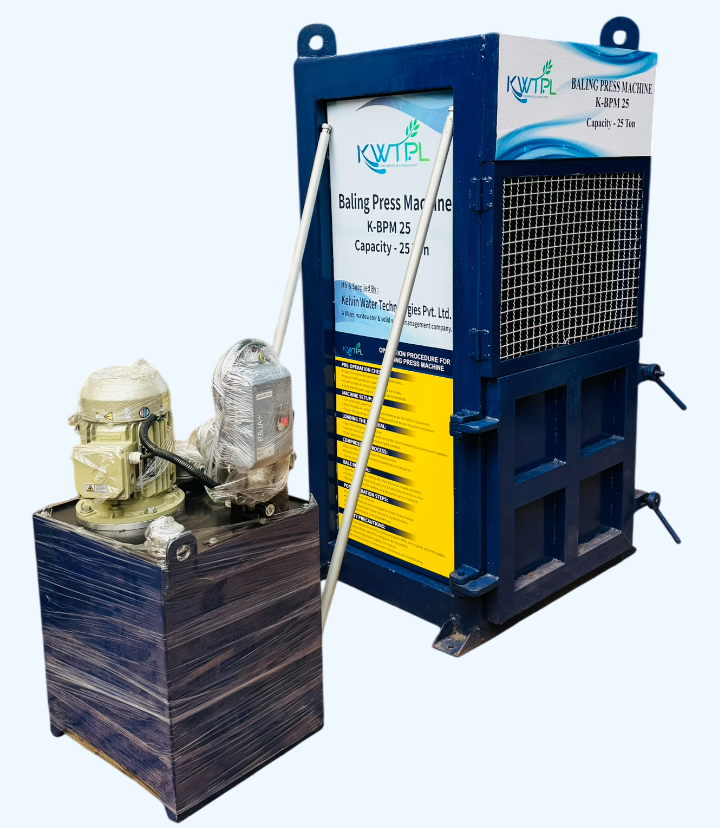

A baling press machine is a powerful industrial equipment designed to compress loose waste materials into compact, uniform bales. These bales are easier to handle, store, transport, and recycle. In today’s world, where waste generation is increasing rapidly across industries and urban areas, baling press machines have become an essential part of efficient waste management and recycling systems. By reducing waste volume and improving material handling, these machines help organizations lower operational costs and support sustainable practices.
What Is a Baling Press Machine?
A baling press machine is a mechanical or hydraulic system that applies high pressure to compress recyclable or waste materials into dense blocks known as bales. These bales are usually tied with wires or straps to maintain their shape. Baling machines are commonly used for materials such as cardboard, paper, plastic, PET bottles, textile waste, metal scrap, and agricultural residues.
The primary objective of a baling press machine is to reduce the volume of waste, making it easier to manage and economically viable for recycling or disposal.
Why Is a Baling Press Machine Important in Waste Management?
Loose waste occupies large space and is difficult to transport. A baling press machine addresses these challenges by compressing waste into compact units. It is important because it:
- Reduces waste volume by up to 80–90%
- Lowers transportation and storage costs
- Improves cleanliness and workplace safety
- Enhances recycling efficiency
- Supports organized and systematic waste handling
How Does a Baling Press Machine Work?
The working principle of a baling press machine is simple yet highly effective. Waste material is loaded into the machine’s chamber either manually or through a conveyor system. Once the chamber is filled, hydraulic pressure is applied through a ram or piston, compressing the material tightly.
After achieving the desired bale size and density, the compressed material is tied using wires or strapping belts. The bale is then ejected from the machine and ready for storage or transportation. Modern baling machines often come with automated controls for improved efficiency and consistent output.
What Are the Main Types of Baling Press Machines?
Baling press machines are available in different types based on application, capacity, and level of automation:
- Vertical Baling Press Machine
Vertical balers are compact and space-saving machines suitable for small to medium waste volumes. They are commonly used in retail stores, warehouses, and small recycling units.
- Horizontal Baling Press Machine
Horizontal balers are designed for high-volume waste processing. They can be semi-automatic or fully automatic and are widely used in large recycling plants and industrial facilities.
- Hydraulic Baling Press Machine
Hydraulic baling press machines use hydraulic power to generate high compression force. They are highly efficient and capable of handling a wide range of materials, including heavy and bulky waste.
- Manual and Semi-Automatic Balers
These machines require manual intervention for loading or tying but are cost-effective options for facilities with lower waste generation.
Which Materials Can Be Processed Using a Baling Press Machine?
One of the biggest advantages of a baling press machine is its versatility. It can process a wide variety of materials, including:
- Paper and cardboard waste
- Plastic films, PET bottles, and HDPE containers
- Textile and garment waste
- Aluminium cans and light metal scrap
- Agricultural waste such as straw and husk
Where Are Baling Press Machines Commonly Used?
Baling press machines are used across various sectors where waste generation is high:
- Recycling and waste management facilities
- Manufacturing industries
- Warehouses and logistics centers
- Shopping malls and retail chains
- Municipal solid waste processing plants
- Agricultural and textile industries
What Are the Key Benefits of Using a Baling Press Machine?
Installing a baling press machine offers several operational, environmental, and economic benefits:
- Space Optimization: Compressed bales require significantly less storage space
- Cost Efficiency: Reduced transportation frequency lowers fuel and logistics costs
- Improved Recycling Value: Well-formed bales are easier to sell to recyclers
- Environmental Protection: Supports waste reduction and recycling initiatives
- Operational Safety: Minimizes clutter and improves workplace hygiene
How to Choose the Right Baling Press Machine?
Selecting the right baling press machine depends on several factors:
- Type and quantity of waste generated
- Required bale size and density
- Available installation space
- Level of automation needed
- Power consumption and maintenance requirements
How Does a Baling Press Machine Support Sustainable Waste Management?
Sustainability is a key focus in modern waste management, and baling press machines play a crucial role in achieving it. By reducing waste volume and improving recycling efficiency, these machines help divert waste from landfills. They also encourage systematic segregation and recovery of recyclable materials, contributing to a circular economy.
Compressed bales reduce transportation emissions and energy consumption, further lowering the environmental footprint of waste handling operations.
What Is the Future of Baling Press Machines?
The future of baling press machines lies in automation, energy efficiency, and smart monitoring. Advanced machines are being developed with PLC-based controls, automatic bale tying, and remote monitoring features. These innovations improve productivity, reduce manual labor, and ensure consistent bale quality.
As recycling and waste management regulations become stricter, the demand for advanced baling press machines is expected to grow significantly.
Conclusion:
Baling press machines have become indispensable tools in modern waste management and recycling systems. By compressing waste into manageable bales, they reduce costs, improve efficiency, and support sustainable practices. Whether used in industrial facilities, recycling plants, or commercial establishments, a baling press machine is a smart investment for organizations committed to efficient waste handling and environmental responsibility.