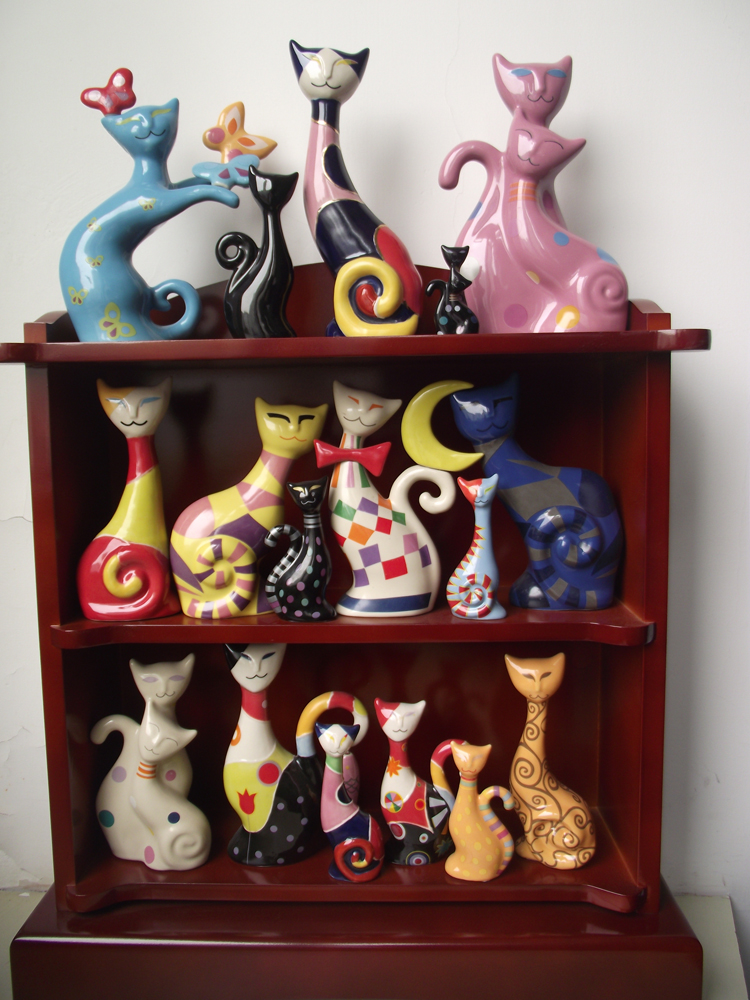

Ceramic ornaments have been part of human culture for centuries. From decorative figurines to functional home décor, ceramics continue to be valued for their durability, beauty, and versatility. In recent years, personalised ceramic ornaments have gained attention because they combine traditional craftsmanship with modern customization. This article explores what makes these items special, how they are produced, and why businesses around the world rely on experienced manufacturers like Xiamen Rising Chance Co., Ltd. to bring design ideas to life.
What Are Personalised Ceramic Ornaments?
Personalised ceramic ornaments are decorative items made from ceramic materials that are customized based on specific designs, themes, or customer requirements. Personalization may include shapes, colors, patterns, logos, or cultural elements that reflect a brand, event, or local identity.
These ornaments are commonly used as souvenirs, seasonal decorations, gifts, and promotional items. Because ceramics allow for detailed molding and long-lasting finishes, they are well suited for both artistic expression and mass production.
Why Do Customers Choose Ceramic for Custom Ornaments?
Ceramic is popular because it balances aesthetics and practicality. It is heat-resistant, easy to glaze, and capable of holding fine details. Unlike some materials, ceramic maintains its appearance over time when produced correctly.
Another reason ceramic is preferred is its adaptability. Manufacturers can create various items such as mugs, candle jars, canisters, and decorative figures using similar production methods. This flexibility allows customers to expand product lines while maintaining consistent quality.
How Are Custom Ceramic Ornaments Designed and Developed?
The development process usually starts with a design concept. Customers may provide sketches, reference images, or digital artwork. Experienced manufacturers then evaluate whether the design is suitable for ceramic production and suggest adjustments if needed.
Sample development is a critical stage. Traditional hand-sculpted modeling is often combined with modern 3D scanning and digital artwork. This approach shortens development time and allows changes to be made efficiently before moving to mass production. Quality checks during this stage help ensure the final product meets both design expectations and functional standards.
What Role Does Quality Control Play in Ceramic Ornament Production?
Quality control is essential in ceramic manufacturing. Small issues such as uneven glazing or structural weakness can affect the final product’s usability and appearance. Reliable manufacturers closely monitor materials, firing temperatures, and finishing processes.
Feedback after shipment is also important. By reviewing customer responses and addressing concerns quickly, manufacturers can improve future production runs. This ongoing process helps maintain consistent standards and long-term trust with customers.
How Do Personalised Ceramic Ornaments Support Different Markets?
Custom ceramic ornaments serve many markets, including tourism, home décor, seasonal gifts, and collectibles. Souvenir shops often use location-based designs, while home décor brands may focus on minimalist or cultural styles.
Because ceramic products can be produced in large quantities while maintaining detail, they are suitable for global distribution. This makes them an effective option for businesses looking to reach international customers with unique, customized items.
What Experience Does Xiamen Rising Chance Co., Ltd. Bring to This Field?
Established in 2008, Xiamen Rising Chance Co., Ltd. focuses on developing and manufacturing arts, crafts, and home décor products. The company has professional experience in ceramic, polyresin, and metal crafts and has collaborated on a wide range of projects over the years.
Popular ceramic items include mugs, cup and saucer sets, candle jars, and canisters. By carefully considering market demand and customer requirements, the company ensures that designs can be successfully produced at scale without compromising quality.
How Can Businesses Benefit from Working with an Experienced Manufacturer?
Working with an experienced manufacturer helps businesses reduce development risks and control costs. Understanding material behavior, production limitations, and market expectations allows manufacturers to guide customers toward practical solutions.
Strong sample development teams and honest communication also help ensure that the final product aligns with the original concept. This approach supports long-term cooperation and smoother project execution.