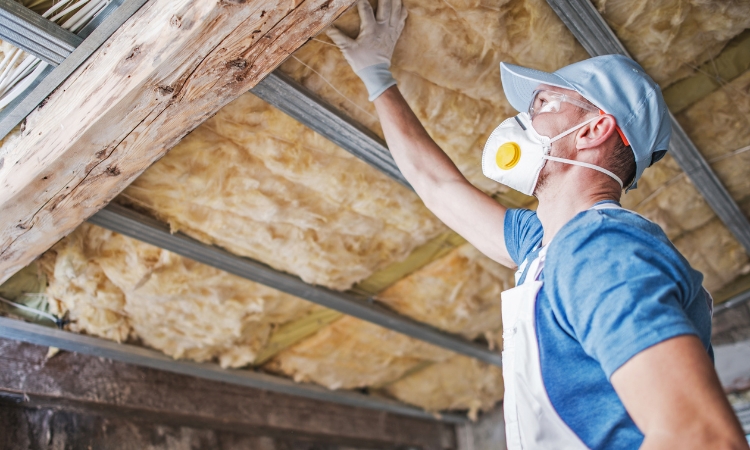

Modern construction has evolved beyond simply creating shelter; it now focuses on energy efficiency, sustainability, and occupant comfort. As buildings become more sophisticated and regulations around energy consumption tighten, the materials and techniques used in construction play a critical role in meeting these goals. Among these, thermal insulation has emerged as a cornerstone of contemporary building practices.
By integrating Thermal Insulation into walls, roofs, floors, and HVAC systems, architects and builders can regulate indoor temperatures effectively. Insulation reduces the transfer of heat between the interior and exterior of a building, ensuring that spaces remain comfortable regardless of seasonal changes. It not only enhances energy efficiency but also improves the longevity of the building by protecting structural elements from thermal stress.
Enhancing Energy Efficiency in Buildings
Energy efficiency is one of the primary reasons thermal insulation has become essential in modern construction. Buildings account for a significant portion of global energy consumption, largely due to heating and cooling demands. Insulation reduces the amount of energy required to maintain comfortable indoor temperatures, which translates into lower utility bills and a reduced carbon footprint.
Well-insulated walls and roofs prevent heat from escaping in winter and keep interiors cool during summer. This reduces reliance on heating and cooling systems, allowing buildings to perform efficiently without overburdening energy resources. In commercial buildings, energy-efficient design supported by insulation can significantly lower operational costs over time.
Improving Indoor Comfort
Beyond energy savings, thermal insulation directly enhances occupant comfort. Temperature fluctuations and drafts can make indoor environments uncomfortable, affecting productivity and well-being. By minimizing heat transfer, insulation helps maintain consistent temperatures and reduces hot or cold spots within the building.
Additionally, insulation acts as a sound barrier, reducing noise pollution from outside. This feature is particularly valuable in urban areas or near busy roads. The combination of thermal and acoustic benefits ensures that residents and workers experience a comfortable, quiet, and energy-efficient environment.
Protecting Building Structures
Thermal insulation does more than control temperature—it protects the building itself. Temperature variations can cause materials to expand and contract, leading to cracks, warping, and long-term structural damage. Insulation reduces these effects by moderating heat flow, helping the building maintain its integrity over time.
Insulation also helps control moisture and condensation, which are common issues in modern construction. Condensation can lead to mold growth, corrosion, and damage to interior finishes. By providing a barrier against temperature extremes, insulation minimizes the risk of moisture-related problems and extends the lifespan of the structure.
Supporting Sustainability Goals
Sustainability has become a critical focus in construction, and thermal insulation contributes significantly to this goal. By reducing energy consumption, buildings generate fewer greenhouse gas emissions, supporting environmental initiatives and green building certifications.
Many modern insulation materials are designed with sustainability in mind. They can be made from recycled or renewable resources and are often recyclable at the end of their life cycle. Incorporating these materials into construction projects aligns with environmentally responsible practices while providing effective thermal protection.
Meeting Regulatory Standards
Modern construction is governed by strict building codes and energy efficiency standards. Thermal insulation is often a key requirement to meet these regulations. Buildings that fail to meet insulation standards can face penalties, higher operating costs, and reduced market value.
By integrating high-quality insulation into walls, roofs, and other critical areas, developers ensure compliance with national and international energy efficiency guidelines. This not only avoids legal complications but also increases the building’s appeal to environmentally conscious occupants and investors.
Enhancing HVAC System Performance
Insulation works hand in hand with heating, ventilation, and air conditioning (HVAC) systems. A well-insulated building requires less energy to maintain comfortable temperatures, which reduces the load on HVAC equipment. This improves the efficiency and lifespan of heating and cooling systems, lowering maintenance costs and minimizing the risk of breakdowns.
Additionally, HVAC systems in insulated buildings can be downsized without sacrificing performance. This reduces initial installation costs and contributes to a smaller environmental footprint, making the building more sustainable and cost-effective in the long run.
Long-Term Cost Benefits
While the upfront cost of installing thermal insulation may seem significant, the long-term benefits far outweigh the initial investment. Reduced energy bills, lower HVAC maintenance costs, and enhanced durability of the building result in substantial savings over the life of the structure.
Investing in high-quality insulation also increases property value. Energy-efficient buildings are more attractive to buyers and tenants who prioritize comfort, sustainability, and cost savings. By incorporating insulation into modern construction, developers and property owners ensure that their investments are both practical and profitable.
Conclusion
Thermal insulation is no longer an optional component in modern construction—it is a necessity. From improving energy efficiency and occupant comfort to protecting building structures and supporting sustainability, insulation offers a wide range of benefits that directly impact the performance and value of a property.
For reliable and high-performance insulation solutions, Amol Minechem Limited provides materials and expertise that meet the highest standards. By choosing quality insulation, builders and property owners can create safer, more efficient, and environmentally responsible structures for the future.