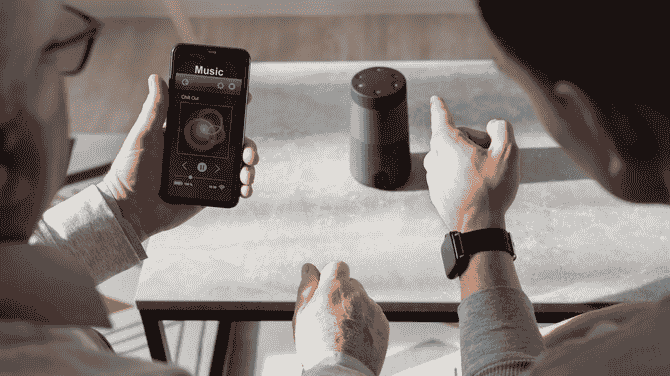

Education is undergoing a profound transformation as technology redefines how learners interact with knowledge. Traditional input methods such as keyboards and mice are giving way to more natural, human-centered interactions that mirror how people communicate in everyday life. Gesture and voice technologies are at the heart of this change, opening new pathways for inclusive learning and breaking long-standing barriers for students with diverse abilities. Gesture and Voice Interfaces for Education are no longer experimental concepts but practical tools shaping classrooms, digital platforms, and lifelong learning ecosystems worldwide.
The Evolution of Human-Centered Educational Technology
Educational technology has traditionally focused on efficiency and scale, often overlooking accessibility and learner diversity. As digital education expanded, gaps became more visible for students with physical, sensory, or cognitive challenges. Gesture and voice interfaces represent a shift toward human-centered design, enabling interaction through movement and speech rather than rigid input devices. Business Insight Journal has emphasized that this evolution reflects a broader recognition that inclusive design benefits all learners, not only those with disabilities.
Understanding Gesture and Voice Interfaces in Learning
Gesture-based interfaces allow learners to interact with digital content through body movements, hand signals, or facial expressions, while voice interfaces rely on speech recognition and natural language processing. In educational settings, these technologies support activities such as navigating lessons, answering questions, manipulating virtual objects, and collaborating with peers. Gesture and Voice Interfaces for Education enable intuitive engagement, particularly for younger learners and those who struggle with traditional text-based input. BI Journal notes that as accuracy and responsiveness improve, these interfaces are becoming reliable components of mainstream learning platforms.
Accessibility and Inclusion Through Natural Interaction
One of the most significant contributions of gesture and voice technologies is their impact on accessibility. Students with mobility impairments can control learning environments without physical contact, while those with visual impairments benefit from voice-driven navigation and feedback. Learners with speech or language challenges can use gestures to express understanding and participate actively. Gesture and Voice Interfaces for Education reduce reliance on standardized interaction methods, allowing personalized pathways that respect individual needs. Business Insight Journal highlights that inclusive technologies not only improve access but also enhance learner confidence and autonomy.
Impact on Teaching Models and Classroom Dynamics
The integration of gesture and voice interfaces is reshaping how educators design and deliver instruction. Teachers can create interactive lessons where students engage physically and verbally, fostering deeper cognitive and emotional involvement. Voice-enabled assistants can provide instant feedback, answer questions, and support differentiated instruction without disrupting classroom flow. Gesture-based simulations allow abstract concepts to be explored through movement and spatial interaction. Educators who stay informed through communities such as Inner Circle : https://bi-journal.com/the-inner-circle/ gain valuable insights into aligning these tools with pedagogical goals and institutional strategies.
Challenges in Adoption and Ethical Considerations
Despite their promise, gesture and voice interfaces present challenges that institutions must address thoughtfully. Speech recognition systems may struggle with accents, dialects, or speech impairments if not properly trained, potentially reinforcing inequities. Gesture recognition requires careful calibration to accommodate diverse physical abilities. Data privacy and consent are also critical concerns, particularly when voice recordings and biometric data are involved. BI Journal consistently underscores the importance of ethical design, transparency, and inclusive testing to ensure that Gesture and Voice Interfaces for Education fulfill their promise without unintended harm.
For more info https://bi-journal.com/gesture-and-voice-interfaces-for-inclusivity/
The Future of Inclusive Education Technologies
Looking ahead, gesture and voice interfaces are expected to become more adaptive, context-aware, and integrated with artificial intelligence. These advancements will allow learning systems to respond dynamically to learner behavior, emotion, and progress. As educational institutions prioritize equity and accessibility, Gesture and Voice Interfaces for Education will play a central role in shaping inclusive digital ecosystems. By embracing these technologies with intentional design and policy alignment, educators and leaders can create learning environments where participation is universal and meaningful. Gesture and voice interfaces are transforming education by enabling inclusive, accessible, and human-centered learning experiences that support diverse abilities, reshape teaching models, and align technology with equity goals worldwide. Explore how gesture and voice interfaces for education are enabling inclusive and accessible learning experiences for diverse students. The institutions that are delaying the adoption are not only falling behind in terms of technology but also causing the inequity that could be avoided to continue. The choice that every teacher has to make is this: either continue with the obsolete input paradigms or be the ones who lead the access revolutions where the expression of every learner is what drives the discovery.
This news inspired by Business Insight Journal: https://bi-journal.com/