
In emergencies, the difference between panic and purpose often comes down to one thing: preparation. Across Australia, first aid training plays a critical role in keeping workplaces, communities and families safe. Whether it’s a minor injury or a life-threatening incident, knowing how to respond effectively can save lives, reduce recovery times and prevent situations from getting worse. With growing safety expectations and regulatory requirements, professional first aid education has never been more important.
This article explores why structured first aid training matters, who benefits most, and what to look for when choosing a reputable provider.
Why First Aid Training Is Essential
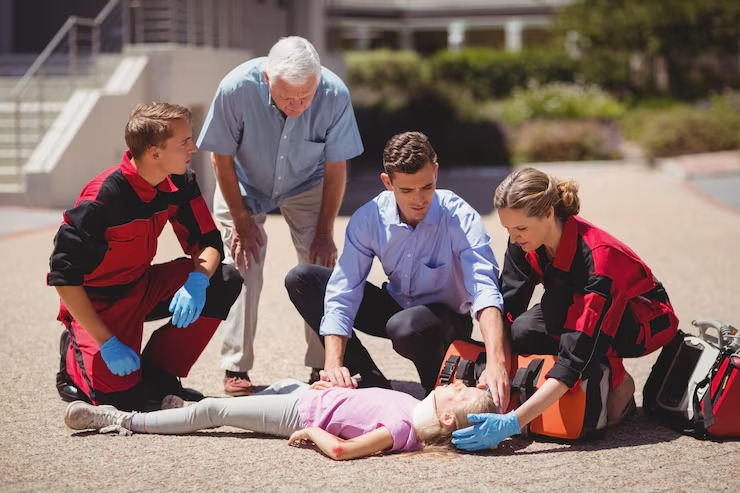
First aid training equips individuals with the skills and confidence to act quickly in emergencies. From CPR and defibrillator use to managing burns, fractures and allergic reactions, trained responders can stabilise a situation until professional help arrives.
In Australia, many workplaces are legally required to have trained first aiders on site. Beyond compliance, however, training fosters a culture of safety and responsibility. Employees who feel prepared are more confident, calmer under pressure, and better able to support colleagues and customers alike.
Workplace Safety and Compliance
Australian workplace health and safety laws emphasise the importance of risk management and emergency preparedness. First aid training is a key part of this framework.
Industries such as construction, manufacturing, childcare and healthcare face higher risks and therefore require more advanced training. Even low-risk office environments benefit from having trained staff who can respond to sudden medical incidents like cardiac arrest or seizures.
Choosing a recognised provider, such as a Top First Aid Training Group, helps ensure training aligns with national standards and industry expectations while remaining practical and up to date.
Benefits Beyond the Workplace
First aid skills are not limited to professional settings. Parents, teachers, coaches and community volunteers all benefit from knowing how to respond in emergencies.
In everyday life, accidents can happen at home, on the road or during recreational activities. A trained individual can make informed decisions in those critical first moments, often preventing long-term harm. These skills also promote community resilience, creating safer public spaces and more prepared neighbourhoods.
What to Look for in a Quality Training Provider
Not all first aid courses are created equal. When selecting a provider, consider the following factors:
Accredited and Up-to-Date Courses
Ensure the course meets Australian Resuscitation Council (ARC) guidelines and is nationally recognised. This guarantees that the skills taught are current and compliant.
Experienced Trainers
Qualified trainers with real-world experience can provide practical insights, realistic scenarios and clear explanations that go beyond theory.
Flexible Delivery Options
Blended learning, on-site training and weekend courses make it easier for individuals and businesses to access training without disrupting schedules.
Practical, Hands-On Learning
The best courses focus on real-life simulations, allowing participants to practise skills in a controlled, supportive environment.
Many organisations choose established providers like Growth Training Group because they combine accredited content with practical delivery, supporting learners across a range of industries without overcomplicating the process.
Keeping Skills Current with Refresher Training
First aid knowledge is not a one-time achievement. Skills such as CPR can fade over time, which is why regular refresher courses are recommended.
In Australia, CPR is typically renewed annually, while full first aid certification is updated every three years. Refreshers help participants stay confident, learn about updated guidelines and practise techniques in realistic scenarios.
The Role of First Aid Training in Emergency Response
During an emergency, trained first aiders act as the crucial first link in the chain of survival. Early intervention can significantly improve outcomes, especially in cardiac emergencies where immediate CPR and defibrillation can double or even triple survival rates.
A Top First Aid Training Group focuses on building calm, capable responders who understand not just what to do, but why they are doing it. This depth of understanding leads to faster, more effective responses when seconds matter.
Conclusion: Investing in Safety and Confidence
First aid training is more than a compliance requirement—it’s an investment in people, safety and peace of mind. From workplaces to homes and communities, trained individuals are better equipped to handle emergencies with confidence and care.
By choosing a reputable, accredited training provider and committing to regular refreshers, Australians can help create safer environments for everyone. In moments of crisis, the right training doesn’t just make a difference—it can save a life.