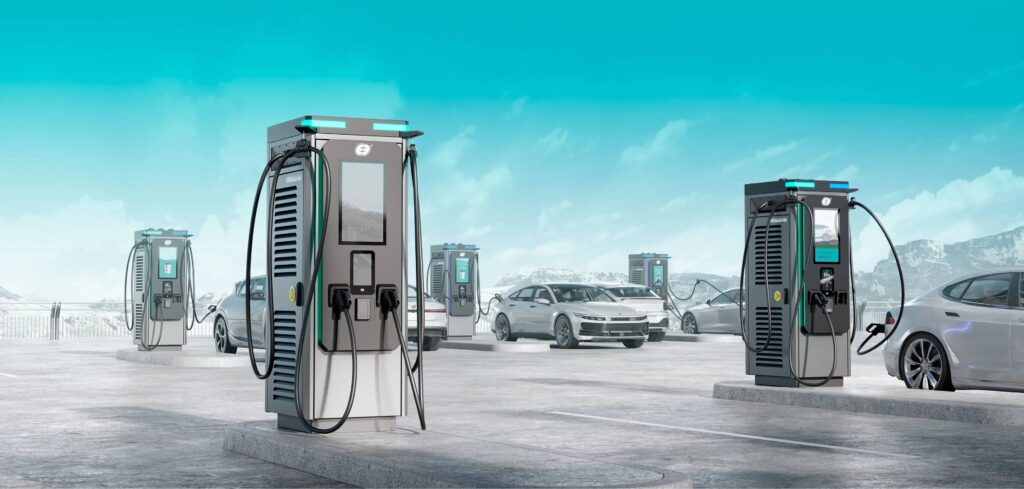

The adoption of electric vehicles is steadily increasing, making EV charging infrastructure a priority for homeowners, businesses, and commercial developers. Choosing the right system affects cost efficiency, convenience, and long-term usability. Improper setups can lead to higher energy bills, safety risks, and limited charging capabilities. Smart EV Charging Solutions provide optimized energy usage, better accessibility, and scalability for future needs. Evaluating key factors such as power capacity, installation location, and charger type ensures the system supports current requirements and allows for future growth without unnecessary costs or complications.
Your Charging Needs
Identifying your specific charging requirements is the first step in planning an EV charging setup. Residential users may need overnight convenience, while commercial locations focus on fast turnaround and multiple vehicle support. Daily driving distance, number of vehicles, and frequency of use all affect charger selection. Proper planning ensures the chosen system matches your energy needs. Considering both current and future requirements helps avoid underpowered installations. A thorough assessment at this stage prevents costly upgrades later and ensures a seamless, reliable charging experience for all vehicles using the system.
Types of EV Chargers Available
EV chargers are classified based on charging speed and power output. Level 1 chargers are suitable for basic home use but have slow charging times. Level 2 chargers are more versatile, widely used in homes and businesses, and offer moderate charging speeds. DC fast chargers provide rapid charging, ideal for commercial or fleet setups, but require higher investment and electrical support. Selecting the right charger depends on energy availability, budget, and intended usage. Choosing the correct type ensures efficiency, minimizes energy costs, and avoids performance limitations while supporting current and future vehicle requirements.
Electrical Infrastructure and Power Capacity
Compatibility with existing electrical infrastructure is critical for EV charging systems. Assessing the available power supply, wiring, and load capacity ensures safe operation. Older buildings may require upgrades to support higher-powered chargers. Load management solutions prevent circuit overloads, especially in environments with multiple chargers. Proper planning enhances safety, reduces downtime, and maintains optimal energy efficiency. Evaluating electrical capacity before installation prevents hazards and ensures reliable, uninterrupted charging. Investing in a system aligned with your infrastructure reduces future expenses and supports long-term usability, avoiding costly retrofits or limitations on charging capacity.
Installation Location and Site Planning
Location affects accessibility, safety, and overall usability of an EV charging station. Chargers should be installed in well-ventilated, weather-protected, and easily reachable areas. For commercial sites, visibility and traffic flow are important to ensure user convenience. Cable length, mounting height, and parking alignment should be carefully planned. Adequate spacing prevents obstruction and facilitates smooth vehicle movement. Thoughtful site planning minimizes installation challenges, reduces maintenance issues, and improves the user experience. Properly chosen locations contribute to safety, efficiency, and long-term satisfaction, whether for home, office, or public EV charging installations.
Cost Considerations and Budget Planning
The total cost of an EV charging system extends beyond the charger itself. Installation labor, permits, electrical upgrades, and ongoing maintenance contribute to expenses. Evaluating upfront costs alongside long-term operational expenses helps optimize investment decisions. Energy-efficient systems and warranty coverage reduce lifetime costs. Incentives or rebates from local authorities can also influence affordability. A carefully planned budget ensures a balance between initial expenditure, performance, and durability. Strategic financial planning allows selection of a reliable, high-quality charging system while avoiding overspending or future limitations on functionality.
Safety, Compliance, and Regulations
Adhering to local electrical codes and safety standards is mandatory when installing EV chargers. Requirements vary by region and often mandate certified equipment and professional installation. Safety features such as grounding, surge protection, and automatic shutoff mechanisms protect both users and property. Compliance minimizes the risk of accidents and ensures adherence to legal and insurance requirements. Neglecting these considerations can lead to serious hazards, penalties, or voided warranties. A safe, compliant installation enhances reliability and provides peace of mind for all users of the EV charging system.
Key Features to Look for in an EV Charging Setup
When selecting an EV charging system, certain features can enhance performance and usability:
- Energy monitoring and load management capabilities
- Compatibility with multiple EV models
- User authentication and access control
- Remote monitoring and software updates
- Durability and weather resistance
These features improve energy efficiency, ensure secure and convenient use, and allow the system to accommodate future expansion. Investing in a feature-rich setup enhances long-term value, supports diverse EVs, and ensures the charging infrastructure remains flexible and reliable.
Future Scalability and Expansion
Planning for future growth is crucial for long-term viability. As EV adoption increases, additional chargers or higher-capacity systems may become necessary. Scalable solutions allow upgrades without major infrastructure changes. Choosing modular and expandable equipment ensures compatibility with emerging EV models and charging technologies. Forward-looking planning prevents expensive overhauls, ensures uninterrupted service, and maintains efficiency as demand grows. An adaptable EV charging setup protects the initial investment and aligns with long-term mobility trends, providing a cost-effective solution that meets evolving energy and user requirements.
Conclusion
A successful EV charging setup depends on careful evaluation of multiple factors, including power capacity, charger type, installation location, cost, and safety compliance. Well-planned systems enhance efficiency, convenience, and long-term value for both residential and commercial users. Considering future scalability ensures the setup remains relevant as EV adoption grows. Thorough planning prevents unnecessary costs, improves user experience, and guarantees reliable, safe, and accessible charging infrastructure. Strategic decision-making creates a system that meets present needs while accommodating future growth in the electric vehicle ecosystem.
FAQs
1. What is the best type of EV charger for home use?
A Level 2 charger is ideal for home use, offering faster, convenient, and efficient charging.
2. How much does it cost to install an EV charging station?
Home installations typically cost $800–$2,500, depending on the charger type and electrical upgrades.
3. Can I install an EV charger in older homes safely?
Yes, but older homes may need electrical upgrades to handle higher power safely.
4. What safety regulations apply to EV charger installation?
Installers must follow local electrical codes, use certified equipment, and ensure proper grounding.
5. How can I expand my EV charging setup for future vehicles?
Choose modular chargers with load management to easily add units as EV demand grows.